

If you go
Author Elaine Weiss’ upcoming appearances include two stops in Knoxville:› Saturday, June 9: Dedication ceremonies for the Harry and Feb Burn Memorial Statue› Monday, June 11: Keynote address at the Tennessee Municipal League annual conference
The long march toward voting rights for women began as early as the 1820s, but it wasn’t formalized as a political goal until 1848 when Elizabeth Cady Stanton read her “Declaration of Sentiments” at the Seneca Falls Convention in Seneca Falls, New York. In “The Woman’s Hour: The Great Fight To Win the Vote” (Viking, 404 pages, $28), Elaine Weiss chronicles the history of that battle beginning with its early days, when Stanton and Susan B. Anthony joined forces, continuing through the 19th Amendment’s introduction in 1878 and its passage in 1918, and finally to a 1920 showdown over ratification in Tennessee.
 Elaine Weiss (Photo by Nina Subin)
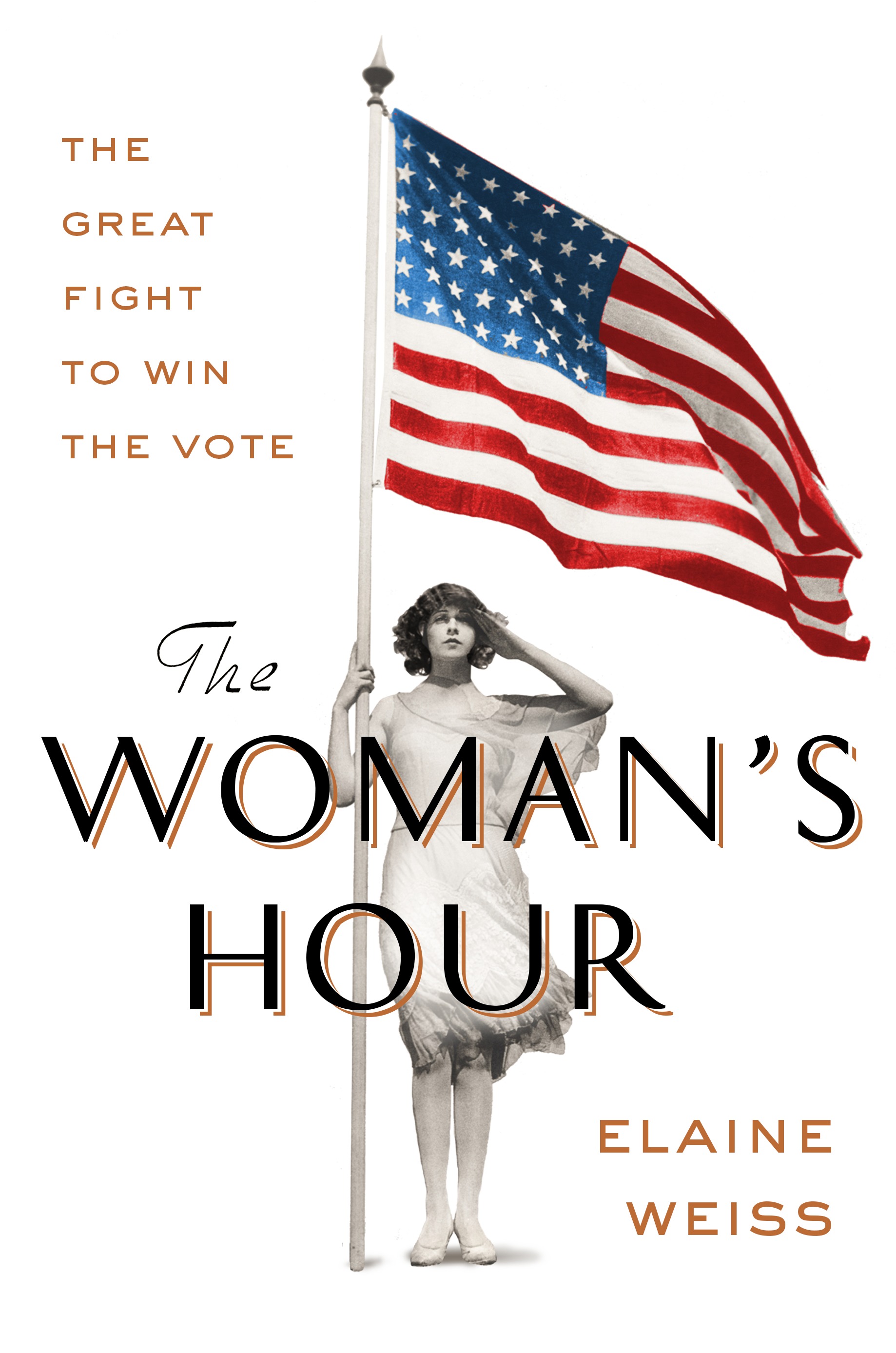 “The Woman’s Hour: The Great Fight To Win the Vote” by Elaine Weiss
The amendment reads: The right of citizens of the United States to vote shall not be denied or abridged by the United States or by any State on account of sex. Congress shall have power to enforce this article by appropriate legislation.
By August 1920, 35 states had ratified the amendment. Tennessee was poised to put the amendment over the top – giving women the right to vote in every state, in every election from dogcatcher to president – or stop the suffrage movement in its tracks. After three tied votes, the decision teetered on the shoulders of Harry Burn, a young man who wore the red rose of opposition in his lapel but who carried a pro-suffrage letter from his mother in his coat pocket.
Weiss tells much of this story through the machinations of three powerful women who converged with their attendant forces on the Hermitage Hotel in Nashville: Carrie Catt, the steely-eyed head of the National American Woman Suffrage Association; Sue Shelton White, a firebrand leader in the newer, more radical National Women’s Party; and Josephine Pearson, a passionate “Anti” from Monteagle, Tennessee.