
Saturday, November 14, 2026Nov 14

US general: Iran-backed Shiite militias not in Tikrit fight

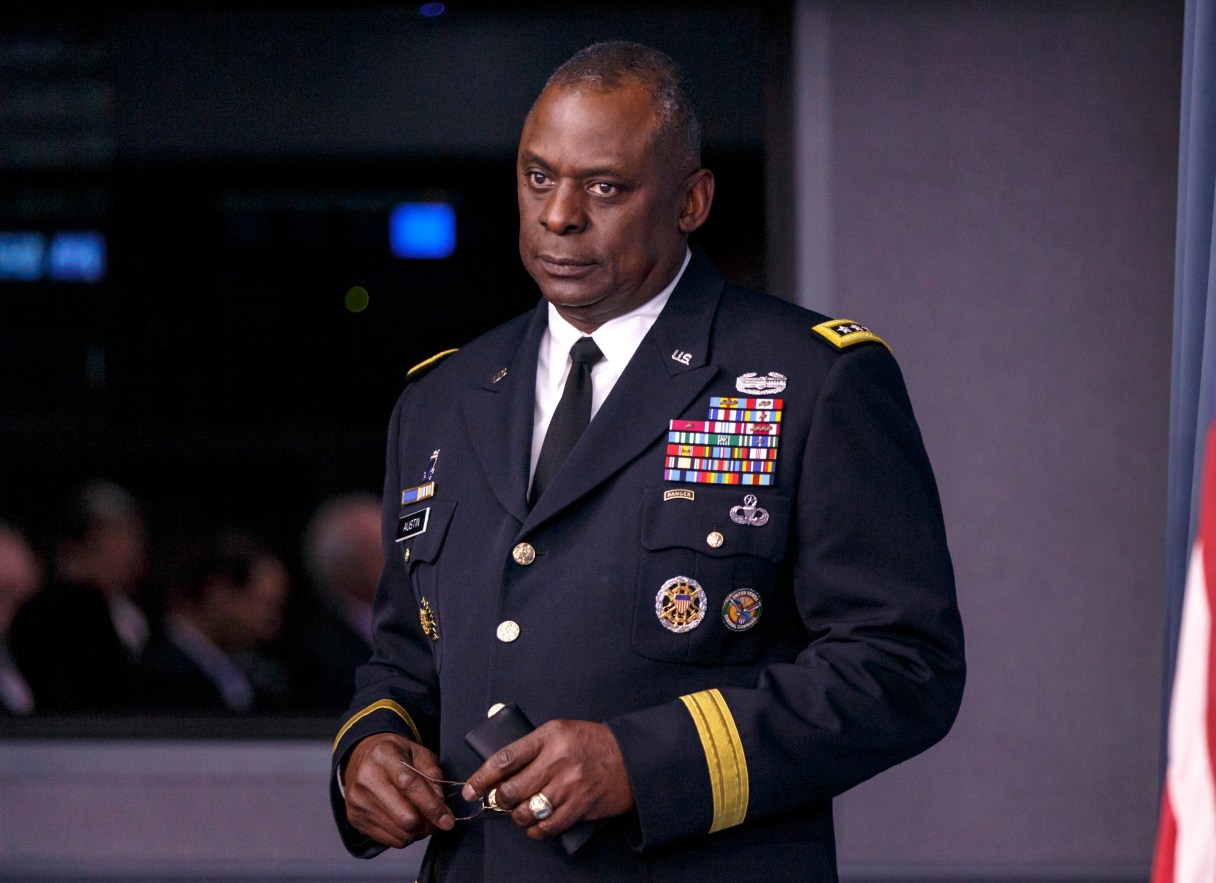
FILE - In this Oct. 17, 2014 file photo, Army Gen. Lloyd J. Austin III, commander of U.S. Central Command is seen at the Pentagon. Iranian-backed Shiite militias have left the northern Iraqi city of Tikrit, a key condition the U.S. demanded before it agreed to begin launching airstrikes Wednesday to support Iraqi forces and try to retake the city from the Islamic State group, the top U.S. general for the Middle East said Thursday. Austin appeared to stun Senate Armed Services Committee members with that development during a morning hearing, telling the panel that the ground offensive in Tikrit led by Shiite militias, with help from Iran, had stalled. (AP Photo/J. Scott Applewhite, File)

WASHINGTON (AP) – Iranian-backed Shiite militias have left the northern Iraq city of Tikrit, a key condition the U.S. demanded before it agreed to begin launching airstrikes Wednesday to support Iraqi forces and try to retake the city from the Islamic State group, the top U.S. general for the Middle East said Thursday.

Army Gen. Lloyd Austin appeared to stun Senate Armed Services Committee members with that development during a morning hearing, telling the panel that the ground offensive in Tikrit led by Shiite militias, with help from Iran, had stalled.

Austin said he witnessed brutality by Shiite militias during his extensive experience leading U.S. and coalition forces in Iraq.

“I will not – and I hope we will never – coordinate or cooperate with Shiite militias,” he said, adding a blunt explanation for why the Iranian-led offensive failed: The wrong approach was taken, he said.

“These forces obviously were not being controlled by the government of Iraq,” he said, and they were poorly led.