
Monday, November 16, 2026Nov 16

Afghan president names council for peace deal with Taliban

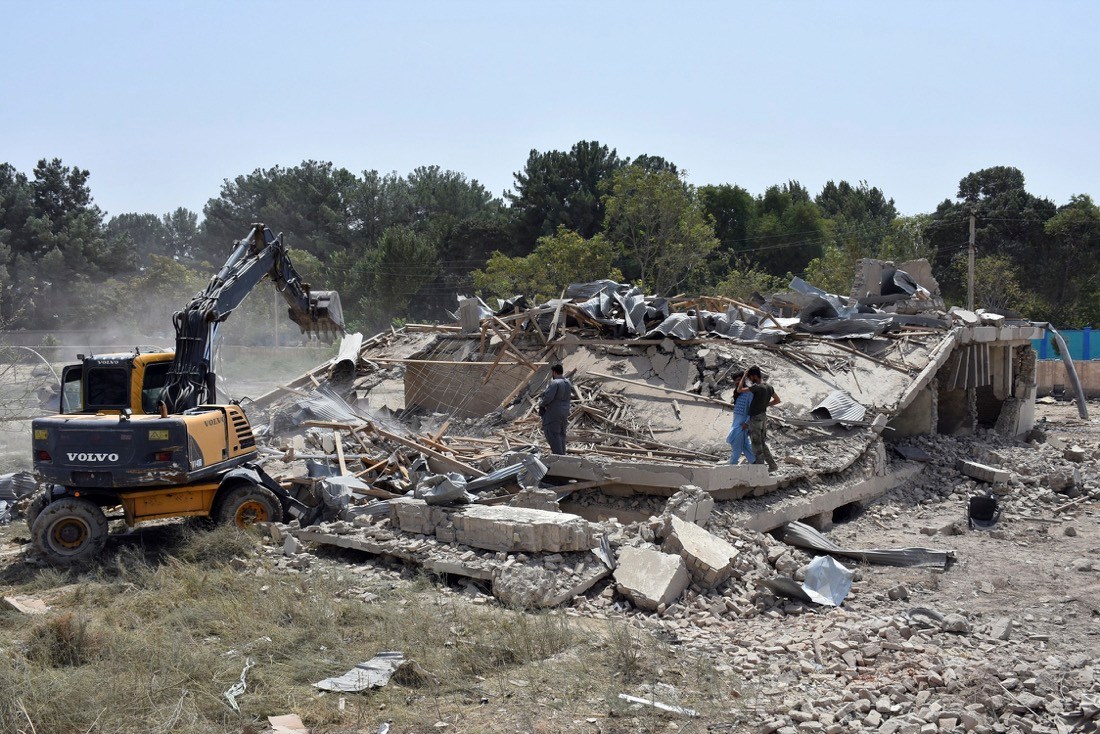
FILE - In this Tuesday, Aug. 25, 2020 file photo, Afghan Security personnel work at the site of a suicide truck bombing in northern Balkh province of Afghanistan. President Ashraf Ghani issued a decree late Saturday, Aug. 29, 2020, appointing a council for national reconciliation, which will have final say on whether the government will sign a peace deal with the Taliban after what are expected to be protracted and uncertain negotiations with the insurgents envisaged under a U.S.-Taliban peace agreement signed in February. Since signing the agreement, the Taliban have held to a promise not to attack U.S. and NATO troops, but have carried out regular attacks on Afghan security forces. (AP Photo, File)

KABUL, Afghanistan (AP) – Afghanistan’s president has appointed a council for national reconciliation, which will have final say on whether the government will sign a peace deal with the Taliban after what are expected to be protracted and uncertain negotiations with the insurgents.

The negotiations were envisaged under a U.S.-Taliban peace agreement signed in February as intra-Afghan talks to decide the war-torn country’s future. However, their start has been hampered by a series of delays that have frustrated Washington. Some had expected the negotiations to begin earlier this month.

Afghan President Ashraf Ghani issued a decree late Saturday establishing the 46-member council, led by his former rival in last year’s presidential election, Abdullah Abdullah, who is now in the government.

The council is separate from a 21-member negotiating team, which Ghani appointed in March and which is expected to travel to the Gulf Arab state of Qatar, where the Taliban maintain a political office, for intra-Afghan talks.

The council will have the final say and will ultimately decide on the points that the negotiating team takes up with the Taliban.