
Monday, November 16, 2026Nov 16

Poor supports Brazil’s president in re-election

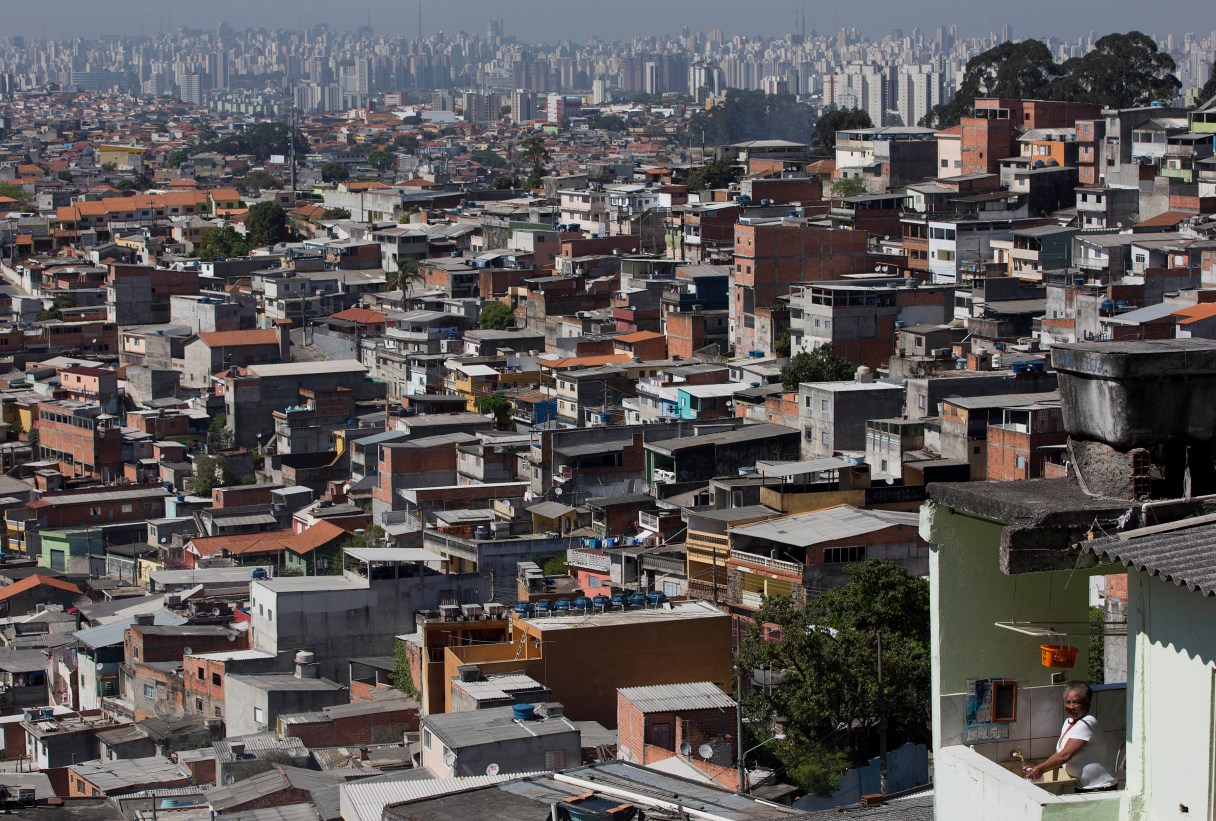
A woman does laundry in her home at the Brasilandia slum in Sao Paulo, Brazil, Tuesday, Sept. 23, 2014. Although president Dilma Rousseff and top rival Marina Silva are locked in a virtual tie among the middle class, the biggest group of voters, the president has a wide edge with Brazil’s poorest people because of generous welfare programs that have helped slash hunger and extreme poverty under the watch of her Workers Party. The most recent poll showed that 46 percent of people in the poorest income category would vote to re-elect Rousseff in the first round in the Oct. 5 election, compared to 24 percent for Silva. (AP Photo/Andre Penner)

SAO PAULO (AP) – Life may still be tough for millions of poor Brazilians – but it’s also never been better.

And that’s the key for President Dilma Rousseff’s re-election bid.

Although Rousseff and top rival Marina Silva are locked in a virtual tie among those in the middle class, the biggest group of voters, the president has a wide edge with Brazil’s poorest people because of generous welfare programs that have helped slash hunger and extreme poverty under the watch of her Workers Party.

Between 2001 and 2012, Brazil reduced extreme poverty from 14 percent of the population to 3.5 percent, according to the United Nations annual report on global food insecurity released last week. The number of malnourished people dropped from 19 percent to below 5 percent, removing Brazil from the U.N. World Hunger Map.

Tens of millions of poor people have also been lifted into the lower middle class over the past decade.