
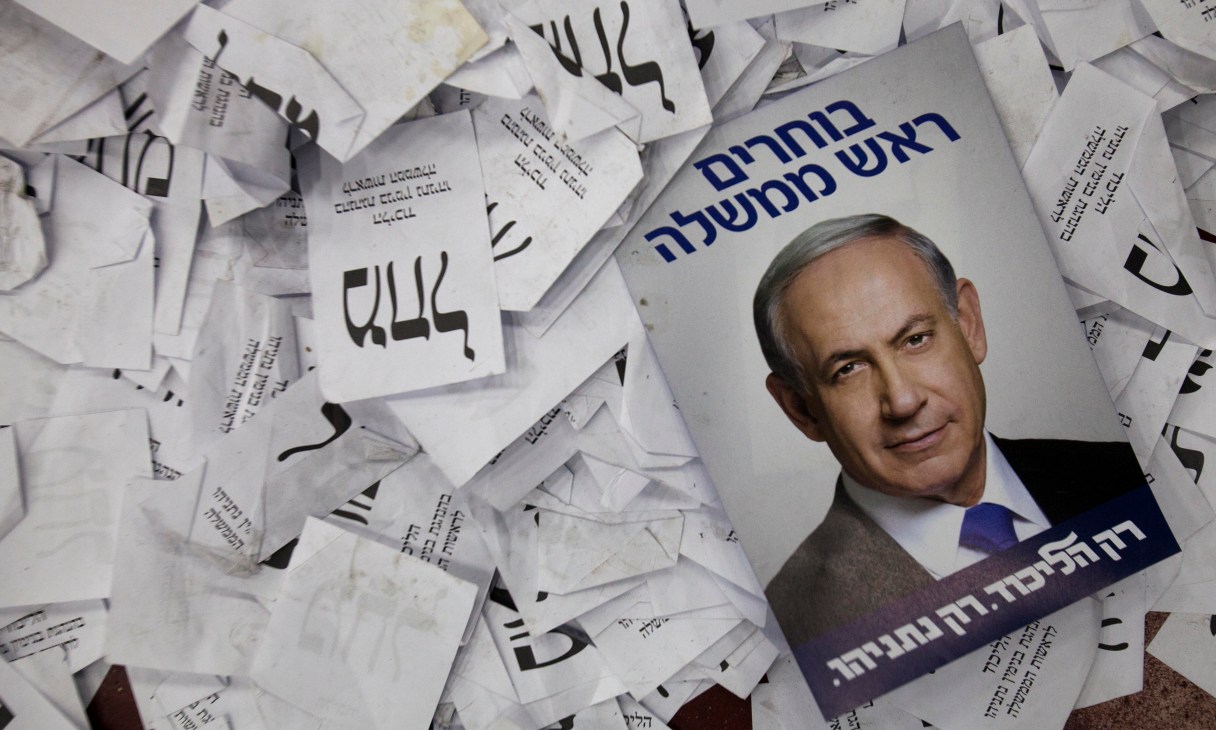
ROSH HA’AYIN, Israel (AP) – Israel’s visceral election campaign has exposed a rift that many here thought had long subsided – the deep-seated schism between Jews of European and Middle Eastern descent.
Mizrahi, or Middle Eastern, Jews heavily backed Prime Minister Benjamin Netanyahu’s Likud Party, while Ashkenazi, or European, Jews mostly identified with the opposition Zionist Union.
That dynamic has been going on for a while but passions have run particularly high this time, with jarring results. Since Netanyahu’s win, the sides have been exchanging insults that have not been heard in public in a generation – with the Mizrahi voters accused of being primitive and Ashkenazi voters viewed as elitist.
The dispute goes back to Israel’s earliest days of independence. Arriving from Arabic-speaking countries in the Middle East and North Africa after Israel’s establishment in 1948, many Mizrahi immigrants were sent to shantytown transit camps and largely sidelined by the European leaders of the founding Labor Party.
They found their political savior in Likud’s Menachem Begin – even though he was himself of Polish Jewish descent. With consummate skill the longtime opposition leader cultivated an outsiders’ alliance that appealed to their sense of deprivation – and with massive Mizrahi backing he swept to power in 1977 to break nearly 30 years of Labor rule.