
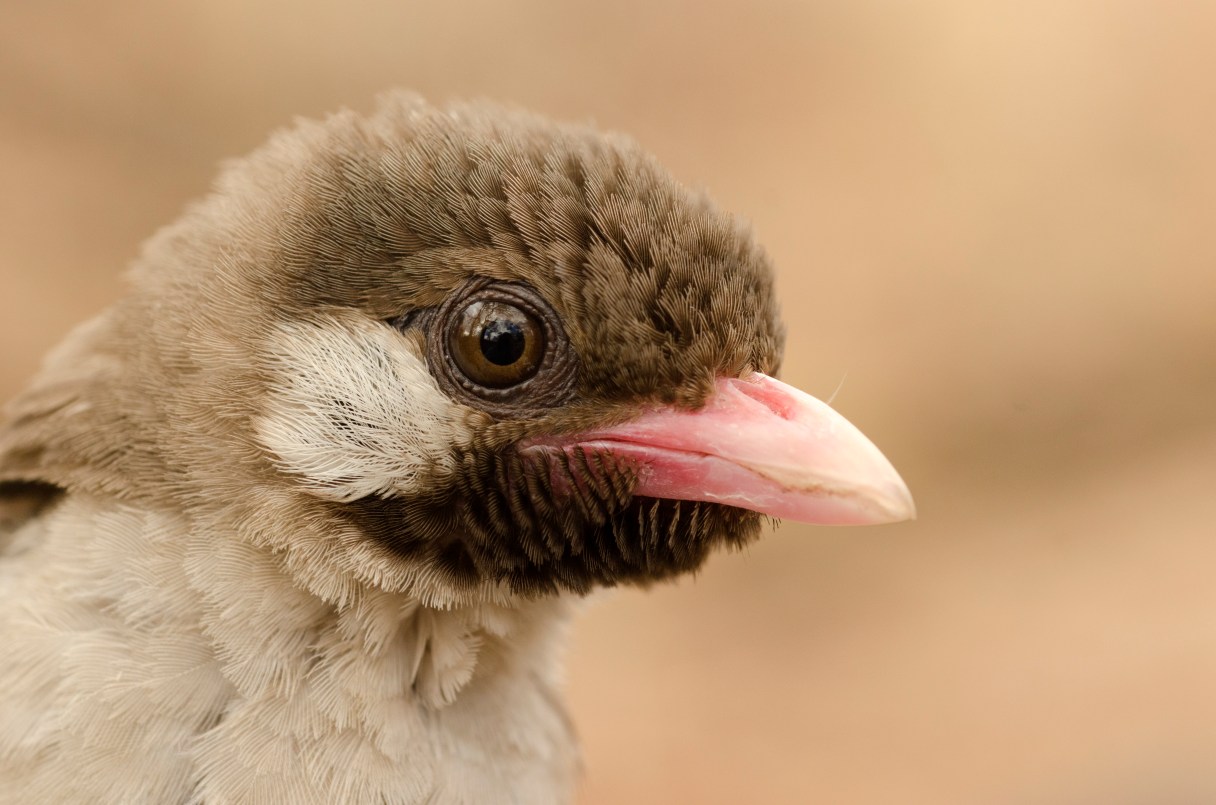
WASHINGTON (AP) – In Mozambique’s woodlands, the sound of sweet evolution is at work.
Over the centuries, through genetic and cultural adaptation, humans and a wild bird species have learned to work together with a simple sound: “Brrr-hm.” When human honey-hunters make that call, the bird called the honeyguide does its namesake job with incredible accuracy, leading people to hidden bees’ nests.
Scientists put this ancient practice to the test and it passed with high flying colors. When biologists compared the “brrr-hm” sound to other sounds, the traditional sound sent the honeyguides to hidden bees nest three times more often than the control sounds, according to a study in the journal Science Thursday. When you make the right noise, you end up with honey 54 percent of the time, compared to 16 percent of the time with the wrong noise.
“It’s an exchange of information for skills,” said study lead author Claire Spottiswoode, an evolutionary biologist at the University of Cambridge. It happened to her personally. She failed to find bees nests until her companion made the right noise and was rewarded with a honey that’s “very rich, very flavorful. It catches at the back of the throat.”
The honeyguide has a unique ability to find bees’ nests. Scientists aren’t quite sure how it works, but it likely has to do with an advanced sense of smell, Spottiswoode said. Still, there’s a problem: These nests are stuck in trees that are difficult for the birds to reach. Even worse, the bees sting the birds, sometime to death.