
Friday, November 13, 2026Nov 13

Waivers may give next president way out of health care feuds

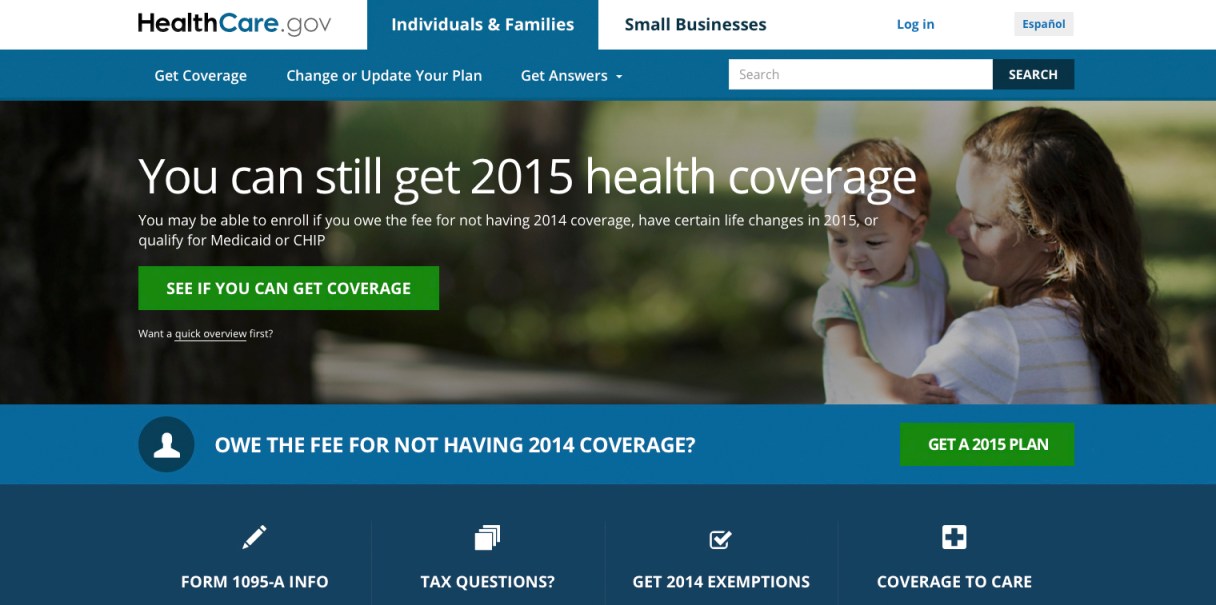
This image provided by the Department of Health and Human Services shows a portion of the HealthCare.gov Website. Republican or Democrat, the next president will have the chance to remake the nation’s health care overhaul without fighting Congress. The law signed by President Barack Obama includes a waiver that, starting in 2017, would let states take federal dollars now invested in the overhaul and use them to redesign their own health care systems. (AP Photo/HHS)
This image provided by the Department of Health and Human Services shows a portion of the HealthCare.gov Website. Republican or Democrat, the next president will have the chance to remake the nation’s health care overhaul without fighting Congress. The law signed by President Barack Obama includes a waiver that, starting in 2017, would let states take federal dollars now invested in the overhaul and use them to redesign their own health care systems. (AP Photo/HHS) This image provided by the Department of Health and Human Services shows a portion of the HealthCare.gov Website. Republican or Democrat, the next president will have the chance to remake the nation’s health care overhaul without fighting Congress. The law signed by President Barack Obama includes a waiver that, starting in 2017, would let states take federal dollars now invested in the overhaul and use them to redesign their own health care systems. (AP Photo/HHS)

WASHINGTON (AP) – Republican or Democrat, the next president will have the chance to remake the nation’s health care overhaul without fighting Congress.

The law signed by President Barack Obama includes a waiver that, starting in 2017, would let states take federal dollars now invested in the overhaul and use them to redesign their own health care systems.

States could not repeal some things, such as the requirement that insurance companies cover people with health problems. But they could replace the law’s unpopular mandate that virtually everyone in the country has health insurance, provided the alternative worked reasonably well.

A Democrat in the White House probably would use the waiver to build bridges to Republican governors and state legislators opposed to the law. The “state innovation” provision, Section 1332 of the nearly 1,000-page law, has gotten little public attention.

But “you would be hard pressed to find a state that doesn’t know what Section 1332 is,” said Trish Riley, executive director the National Academy for State Health Policy, a nonpartisan forum for state policymakers. “It provides some opportunity for taking the rough edges” off the Affordable Care Act, as the law is known.