
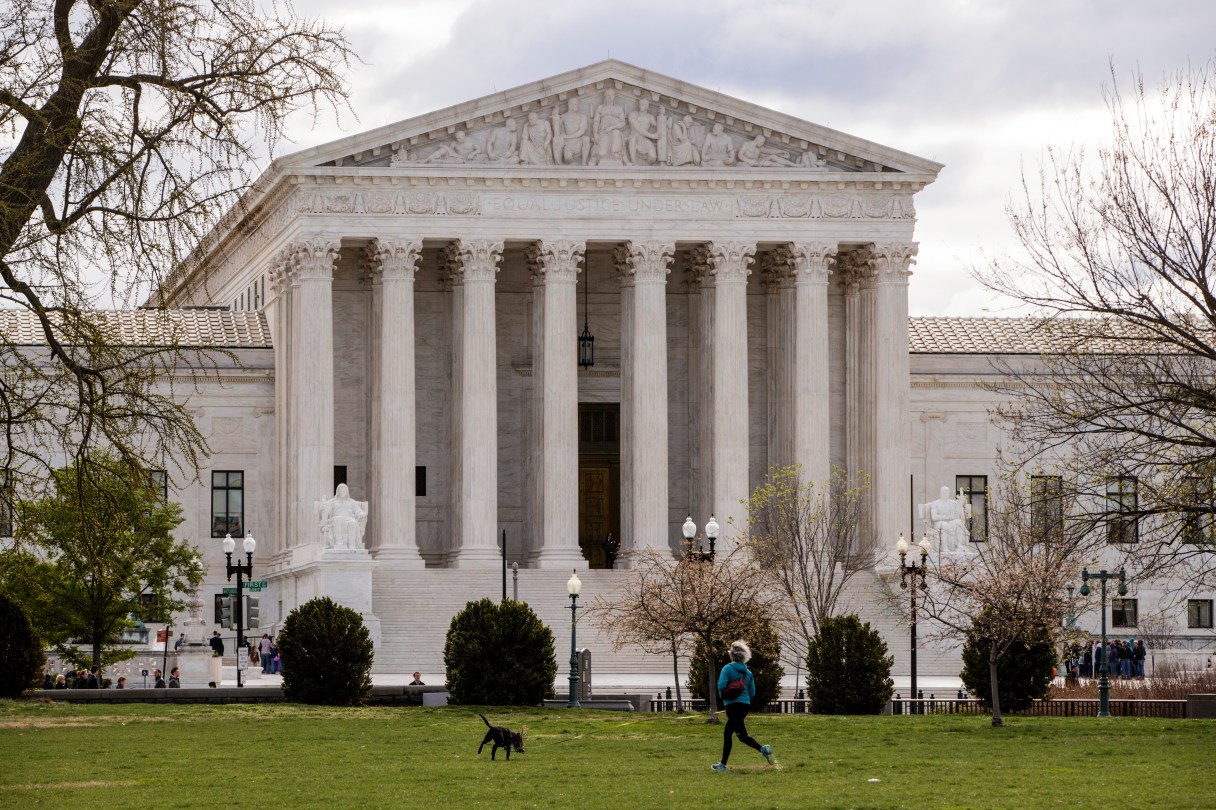
WASHINGTON (AP) – The Supreme Court seemed closely divided Monday about whether an Alabama death row inmate should get a new sentencing hearing because he did not have a mental health expert on his side when he was tried and sentenced to death more than 30 years ago.
The court has ruled previously that poor defendants whose mental health might be a factor in the criminal charges they are facing have a right to an expert’s evaluation. The justices are deciding whether the expert must be independent of the prosecution.
The outcome also could affect two Arkansas inmates who were spared execution last week by the Arkansas Supreme Court while the nation’s highest court considers the issue.
The question mainly arises in older cases because poor criminal defendants today, even in Alabama, routinely get a defense expert to assist in their cases.
In the Alabama case, a jury convicted inmate James McWilliams of raping and killing a convenience store clerk in Tuscaloosa. Prior to McWilliams’ sentencing, a state psychologist appointed by the trial judge determined that McWilliams had “organic brain damage” and other problems stemming from earlier head injuries. The report was delivered to the inmate’s lawyers two days before the sentencing hearing, followed by voluminous mental health records and a prison file showing that McWilliams was taking psychotropic drugs.