
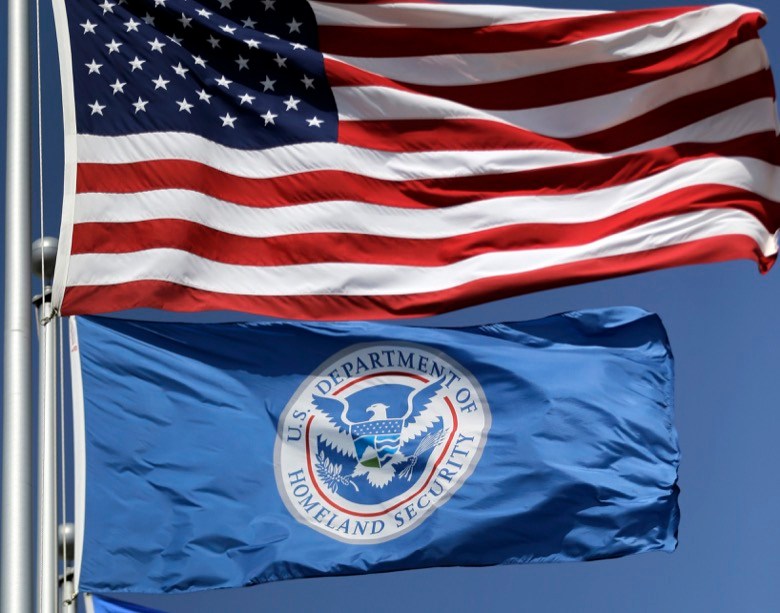
WASHINGTON (AP) – E-commerce has unleashed an increasing torrent of fake merchandise upon the world and private companies and the U.S. government must do more to address the problem, Trump administration officials said Friday as they released a plan aimed at cracking down on counterfeit goods.
An “action plan” released by the Department of Homeland Security says the government will apply increased scrutiny of e-commerce, including the third-party sellers who sell goods on the major online sites as well as shippers and operators of the warehouses where merchandised is stored.
It also calls on the e-commerce companies to strengthen protections for consumers, more thoroughly screen third-party sellers who use their sites and take other actions to reduce the spread of counterfeit products that has ballooned with growth of online sales in recent years.
“Some platforms have put in place certain measures to guard against counterfeits,” Chad Wolf, the acting secretary DHS, said in releasing the plan, “but there efforts are oftentimes overwhelmed by the scale of the activity online.”
Fake merchandise, everything from bogus medicine to knockoff handbags, has always been around but has never been so universally available with the growth of e-commerce through sites such as Amazon, eBay and the Chinese giant Alibaba.