
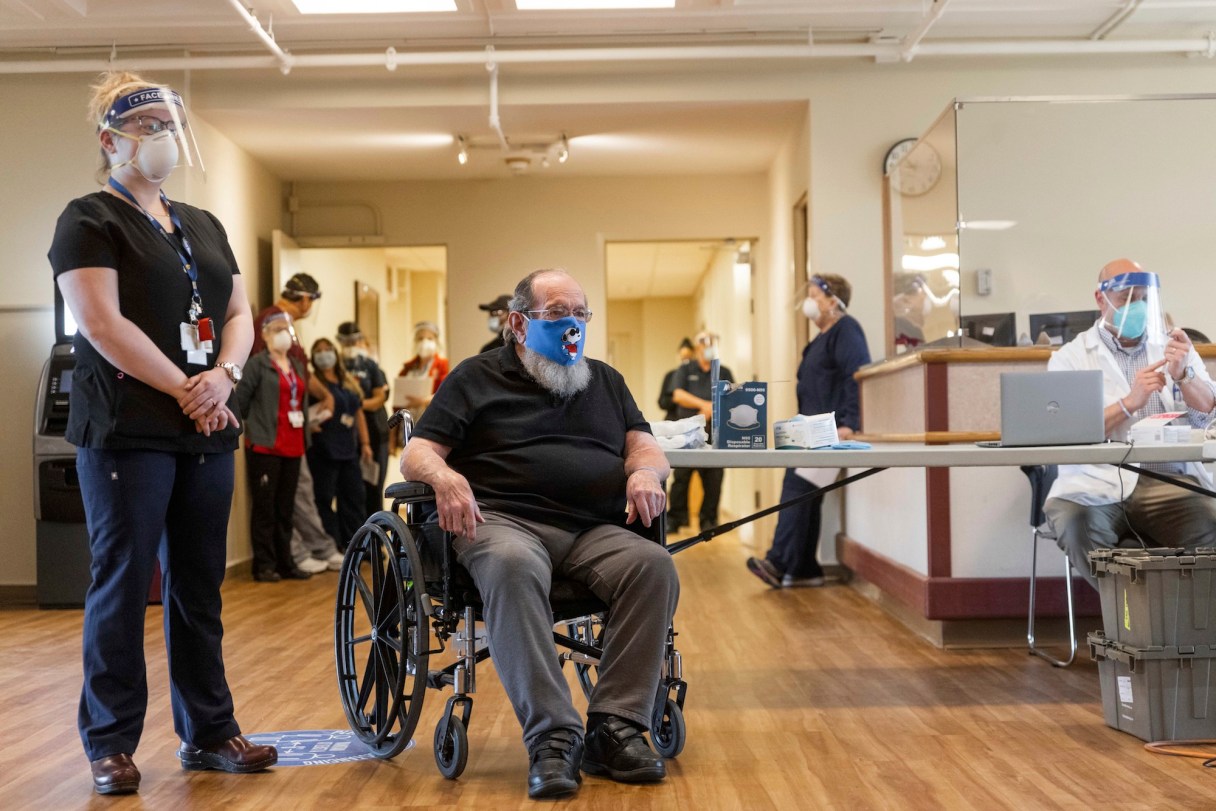
As this dismal year draws to a close, we fix our eyes on images of rescue: A vaccine. An inauguration. A spring that might bring reopenings instead of shutdowns. May we once again see crowded restaurants, empty hospital beds, peaceful streets, kind faces. May these stark past months be long forgot and never brought to mind.
Yet we cannot, despite ourselves, leave this cruel year behind. The 340,000 dead from COVID-19 won’t let us, nor will the lingering animosity we display toward one another, expressed by the masked toward the unmasked and the other way around, or by plots to kidnap governors and put them on trial, or angry chants outside the homes of police chiefs, mayors and public health officers. Nor can we seem to let go of this year’s presidential election, which is over and clearly decided, yet somehow for many not ended? How far into next year will the denial extend? Jan. 6? Jan. 20? This year is like some irritant in the eye that can’t be washed out. It stays with us, affecting our vision in a most unexpected way – clarifying it, not clouding it.
That’s the thing about 2020, a term that describes both normal eyesight and an abnormal year. 2020 vision has given us a partially corrected view of ourselves, our nation and one another. It has brought into focus some hard truths that we cannot now unsee, try as we might.
We formerly saw America as being at the apex of medical knowledge and logistical know-how, the most prepared nation to deal with contagious diseases. We had protocols. We had plans. We had the equipment and the skills, the scientific expertise, the civilian chain of command and the requisite confidence in our government. We proved that with Ebola and avian flu. We were ready.
But in fact we were not.