
Monday, November 16, 2026Nov 16

NCAA disassociates college sports from daily fantasy games

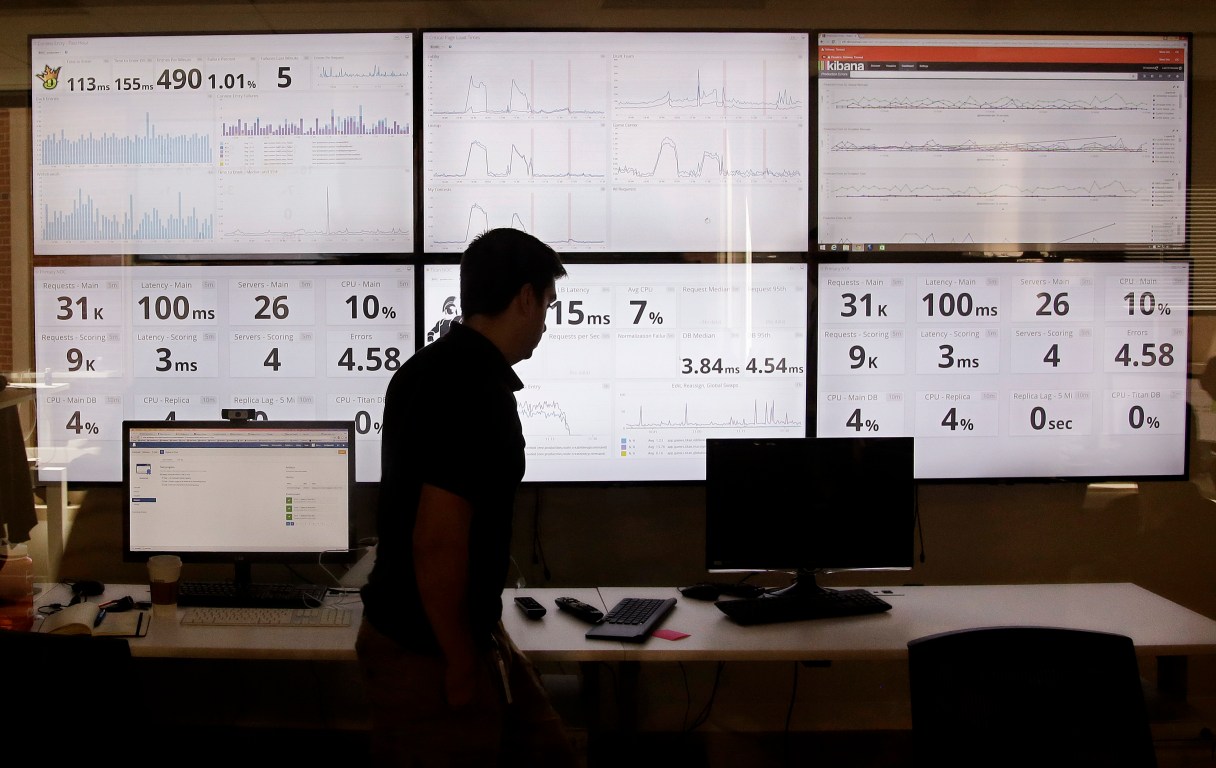
FILE - In this Sept. 9, 2015 file photo, an employee in the software development department of DraftKings, a daily fantasy sports company, walks past screens displaying the company's online system stats in Boston.  Customers of the two biggest daily fantasy sports websites have filed at least four lawsuits against the sites in Oct. 2015, following cheating allegations and a probe into the largely-unregulated multi-billion dollar industry. In court papers, the customers accused the DraftKings and FanDuel sites of cheating, and argued they never would have played had they known employees with insider knowledge were playing on rival sites.  (AP Photo/Stephan Savoia)
FILE - In this Sept. 9, 2015 file photo, an employee in the software development department of DraftKings, a daily fantasy sports company, walks past screens displaying the company's online system stats in Boston. Customers of the two biggest daily fantasy sports websites have filed at least four lawsuits against the sites in Oct. 2015, following cheating allegations and a probe into the largely-unregulated multi-billion dollar industry. In court papers, the customers accused the DraftKings and FanDuel sites of cheating, and argued they never would have played had they known employees with insider knowledge were playing on rival sites. (AP Photo/Stephan Savoia)

INDIANAPOLIS (AP) – The NCAA is pulling the plug on daily fantasy sports games.

In a letter sent Tuesday, college sports’ largest governing body notified executives from DraftKings and FanDuel it would cancel future meetings and ban advertising from the two popular websites during NCAA championship events such as the men’s basketball tournament.

Because the NCAA believes the fantasy games meet the definition of wagering, it has decided to ban all advertising, on site and on television, during championship events – a potentially big hit for two companies that have become major advertisers, particularly on television. The NCAA said its advertising policy for broadcasters “has a longstanding section that states we will not accept advertising from sports wagering entities.”

The ban does not necessarily apply to the College Football Playoff, which is not run by the NCAA. While the CFP abides by NCAA bylaws, the organization has discretion over advertisements during its three games.

“What I can say is that we have not discussed it,” CFP executive director Bill Hancock told The Associated Press. “Whether we will or not remains to be seen. We’re watching the situation with great interest.”