
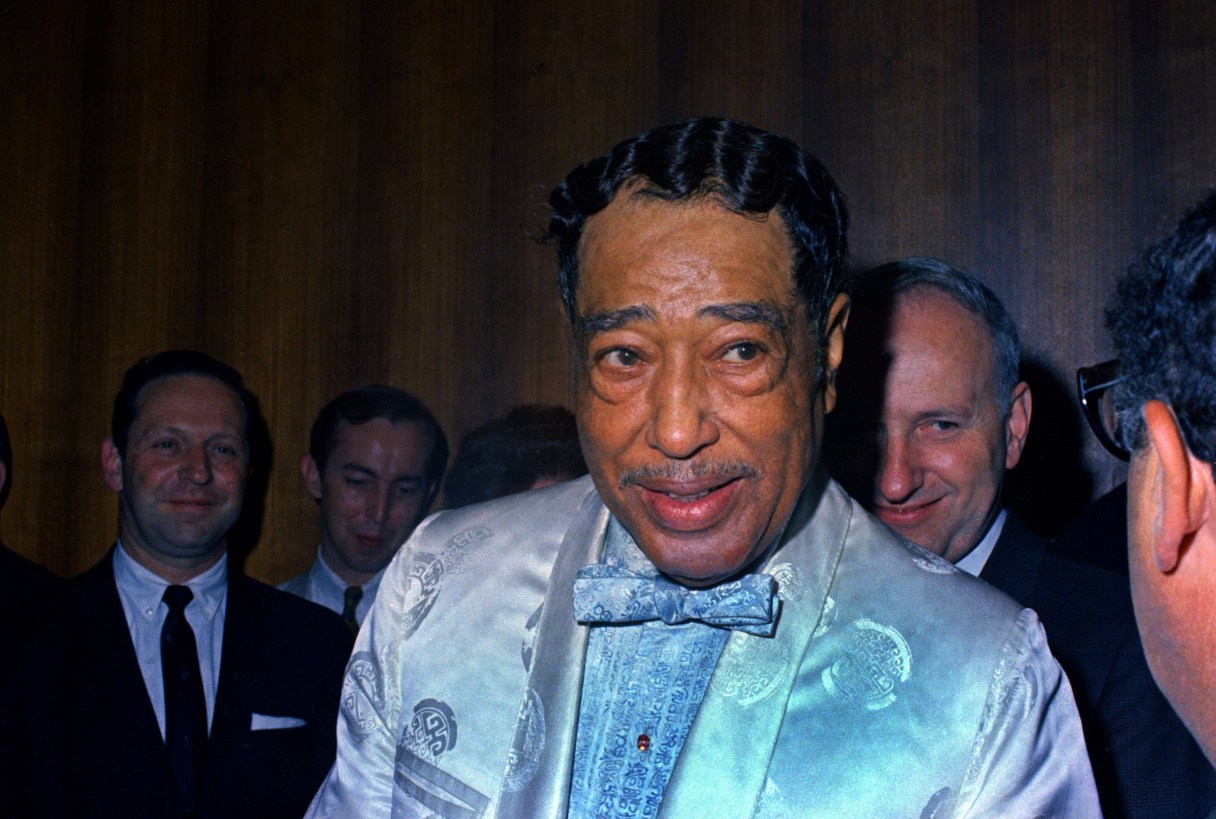
ALBANY, N.Y. (AP) – Jazz composer Duke Ellington’s grandson urged New York’s highest court on Thursday to reinstate his lawsuit seeking half the foreign royalties from Ellington’s music for his heirs.
The suit against publisher EMI Music alleges breach of the 1961 standard songwriter royalty contract the late pianist, bandleader and composer signed with Mills Music, predecessor of EMI, which is now part of global Sony/ATV Music Publishing. The contract calls for an even split of net revenue.
In the lawsuit, Paul Ellington says EMI should stop deducting 50 percent commissions to foreign subpublishers that its parent company now owns before splitting the rest with Ellington’s heirs.
His attorney, Richard Scarola, told the Court of Appeals that the publishing giant passively collects royalties in Nashville, Tennessee. He called its description of its foreign subpublishers “a fiction,” saying that EMI China, for example, exists only as a piece of paper.
“As the world has changed the interests of EMI today are exactly the opposite of the artist,” Scarola said. Ellington and Mills had a common interest in spending what was needed to get his music published abroad, sometimes as little as 15 or 25 percent paid to foreign subpublishers instead of half, then sharing what was left, he said.