
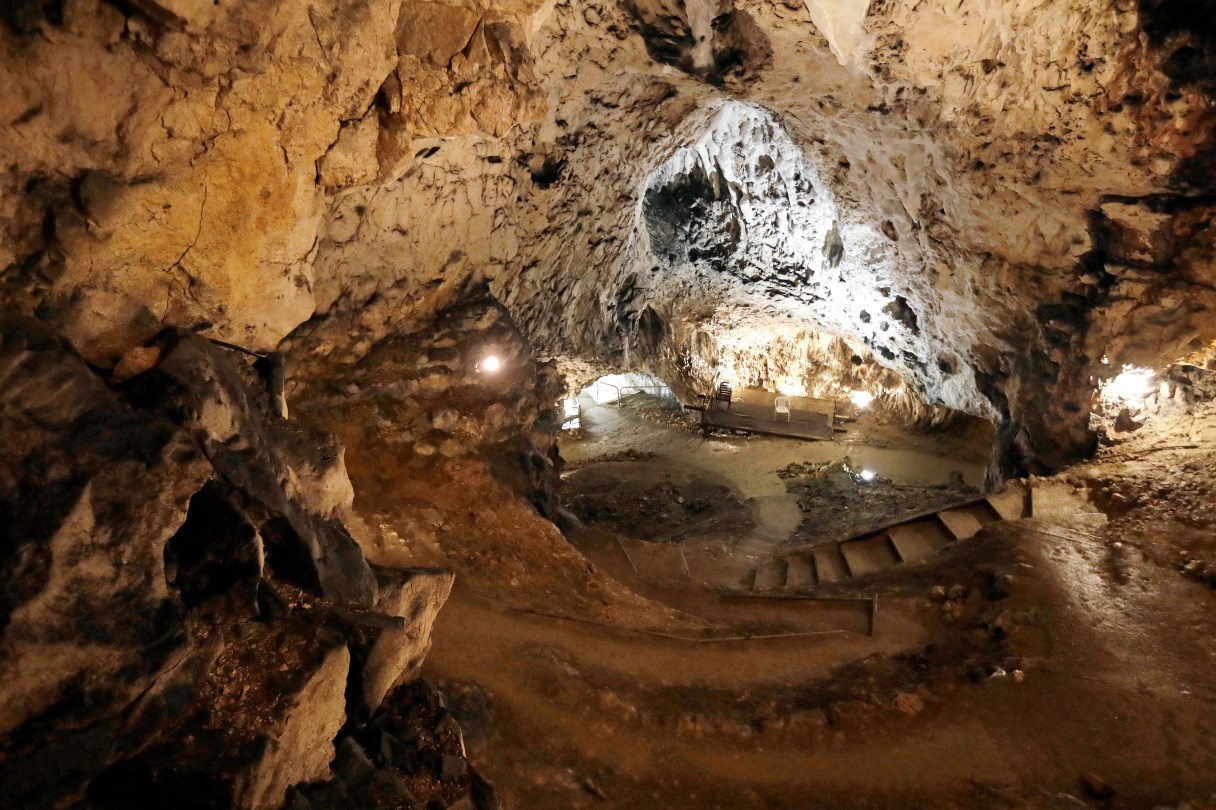
BLAUBEUREN, Germany (AP) – Two sites with cultural treasures separated by more than 40,000 years – caves with art dating to the Ice Age and buildings designed by a Bauhaus master less than 100 years ago – highlight Germany’s submissions for the prestigious World Heritage Site designation by the U.N.’s cultural agency, UNESCO.
The six caves are in the western state of Baden-Wuerttemberg, where archeologists have discovered flutes made from mammoth ivory along with other ancient instruments and carvings. The Bauhaus buildings in northeastern Germany were designed by the school’s second director, Hannes Meyer.
A World Heritage designation brings sites some protection from development, pollution, and other threats. It can also raise a region’s profile and draw more visitors.
UNESCO’s World Heritage Committee is meeting in Poland in early July. This year’s nominations for World Heritage sites include seven natural sites, one both natural and cultural and 27 cultural sites. Other cultural sites being considered include the Valongo Wharf in Rio, the Sambor Prei Kuk archaeological sites in Cambodia, the Kujataa subarctic farming landscape in Greenland, and the landscapes of Dauria in Mongolia.
The caves in Baden-Wuerttemberg in the valleys of the Ach and Lone rivers have been excavated since the 19th century and have yielded hundreds of personal ornaments, at least eight musical instruments and more than 40 small figurines carved from mammoth ivory.