
Monday, November 16, 2026Nov 16

Free Press Opinion: Are we now bent over an oil barrel in Iran?

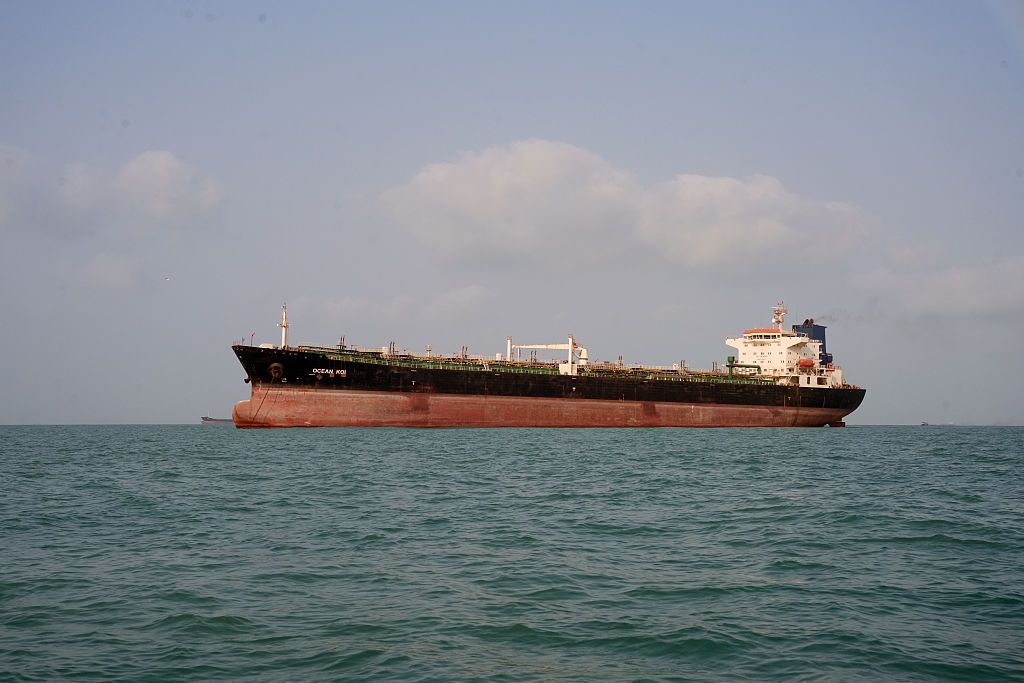
Photo by Ali Saeedi via Getty Images / An oil products tanker is anchored in the Strait of Hormuz on August 10, 2026 off the coast of Bandar Abbas, Iran. In a recent statement, Iran's Supreme National Security Council said the vital waterway would not reopen until the United States "corrects its behavior," demanding that the U.S. end its war on Iran and compensate the country for war damage, among other conditions. Iran has largely halted vessel traffic through the strait with the threat of strikes; meanwhile, the U.S. has imposed a blockade on Iranian ports.

“We are the United States of America and there is nothing we can’t do if we do it together.” — President Joe Biden

I am not in the habit of favorably quoting the former president, but he was right when he said this. Why, then, are we still beholden to Iran and Saudi Arabia for so much of our oil needs?

A Wall Street Journal headline says: “Gulf States are Resigned To Iran Control of Strait (of Hormuz).”

Must we also be resigned to an unending dependence on Middle East oil? Presidents since Jimmy Carter have said we must overcome that dependence and loosen their grip on our economy. The problem is the difference between American production and that which comes from the Middle East.

While the U.S. mostly produces light, sweet crude from shale formations, the Middle East largely supplies heavier, higher-sulfur crude. Old U.S refineries were not built to process heavier crude. Building new ones would cost billions of dollars. They would also be hampered by environmental laws. Some consider new refineries a bad financial risk as the country shifts toward renewable energy and electric vehicles.