
CAPE CANAVERAL, Fla. (AP) – With eight successful Mars landings, NASA is upping the ante with its newest rover.
The spacecraft Perseverance – set for liftoff this week – is NASA’s brawniest and brainiest Martian rover yet.
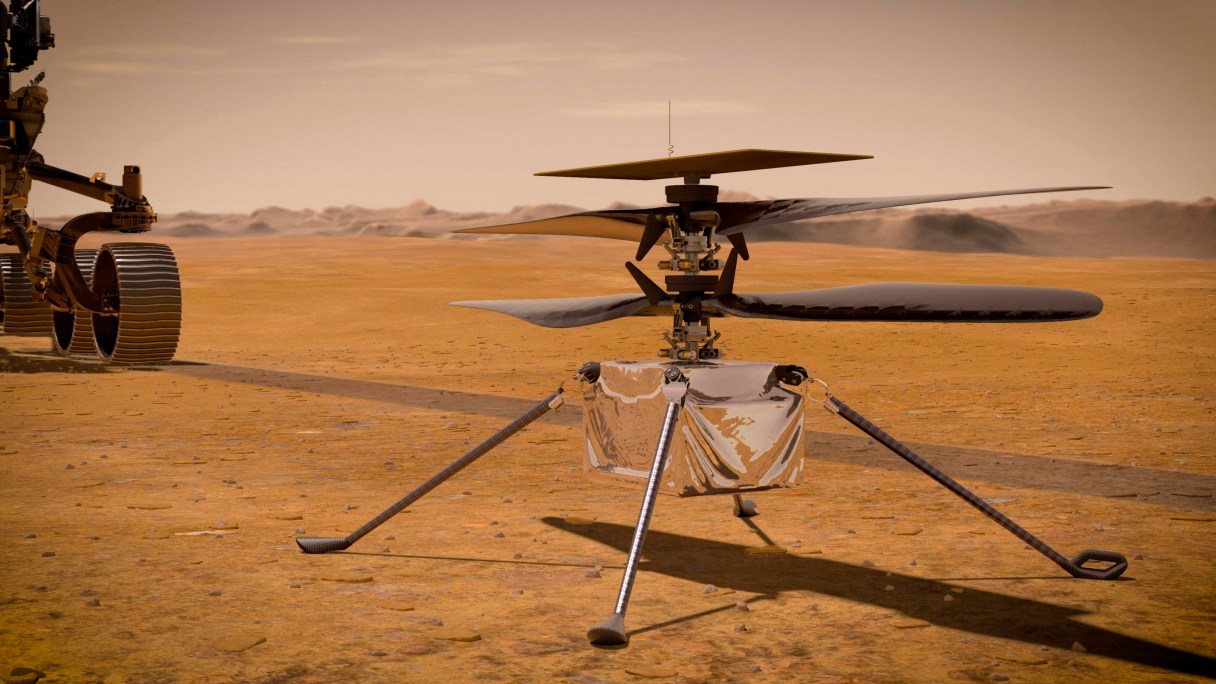
It sports the latest landing tech, plus the most cameras and microphones ever assembled to capture the sights and sounds of Mars. Its super-sanitized sample return tubes – for rocks that could hold evidence of past Martian life – are the cleanest items ever bound for space. A helicopter is even tagging along for an otherworldly test flight.
This summer’s third and final mission to Mars – after the United Arab Emirates’ Hope orbiter and China’s Quest for Heavenly Truth orbiter-rover combo – begins with a launch scheduled for Thursday morning from Cape Canaveral. Like the other spacecraft, Perseverance should reach the red planet next February following a journey spanning seven months and more than 300 million miles (480 million kilometers).
NASA Administrator Jim Bridenstine doesn’t see it as a competition. “But certainly we welcome more explorers to deliver more science than ever before,” he said following a launch review Monday, “and we look forward to seeing what it is that they’re able to discover.”