
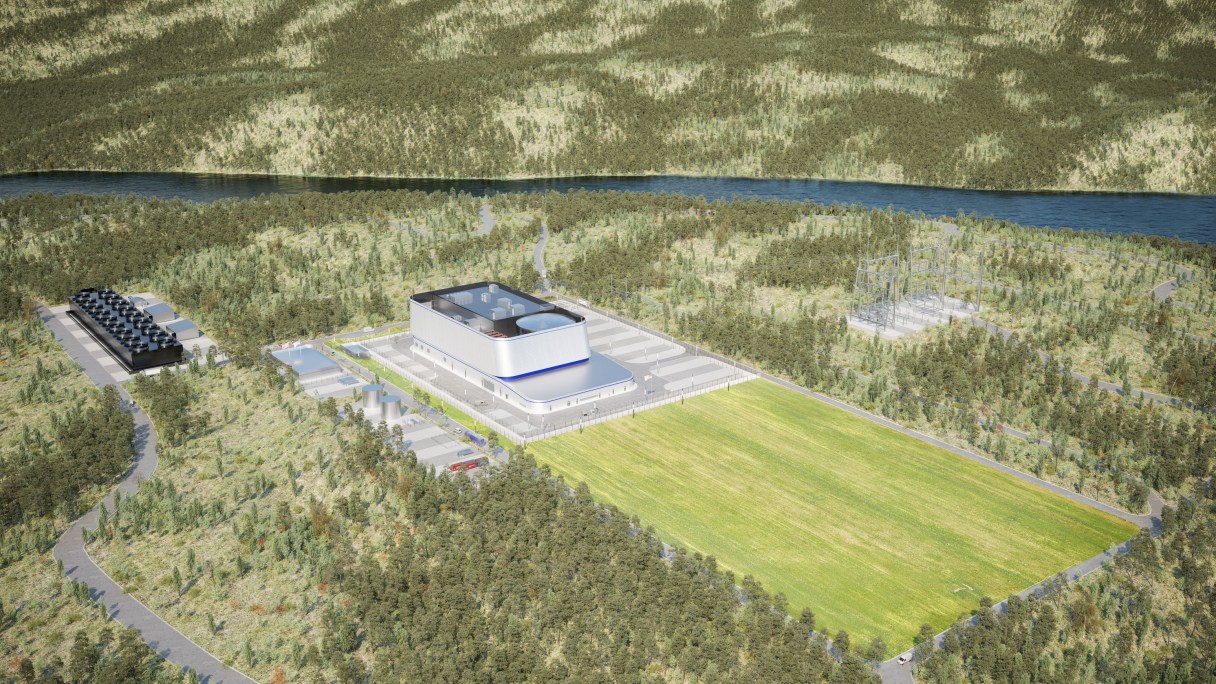
Nearly a half-century after the Tennessee Valley Authority began building its last new nuclear power plant, the federal utility is moving ahead with plans to build the next generation of nuclear power in a smaller version than the seven reactors the agency now operates.
TVA directors Thursday authorized spending up to $200 million to design, develop and license a small modular reactor to be built on the Clinch River in Roane County near Oak Ridge, Tennessee.
“This is a significant, positive step forward, but it’s important to note that this is not a commitment to build,” TVA President Jeff Lyash said Thursday during a TVA board meeting in Bowling Green, Kentucky. “We are taking a disciplined, phased approach.”
TVA was the first U.S. utility to obtain an early site permit for a small modular reactor in 2019 and has decided to pursue the GE Hitachi BWRX-300 model with reactors about a fourth of the size of TVA’s existing nuclear fleet. The GE Hitachi model is one of more than two dozen small reactor designs under development, and Lyash said the 300-megawatt size and light-water design of the GE Hitachi plan “fits the scale, load growth and decarbonization plans” set by TVA in May in its strategic plan.
“We view light-water small modular reactors – like the GE Hitachi BWRX-300 – as a more mature technology that could be ready for commercial deployment within a decade,” Lyash said.