
Friday, November 13, 2026Nov 13

Why Chinese stocks leave US investors vulnerable

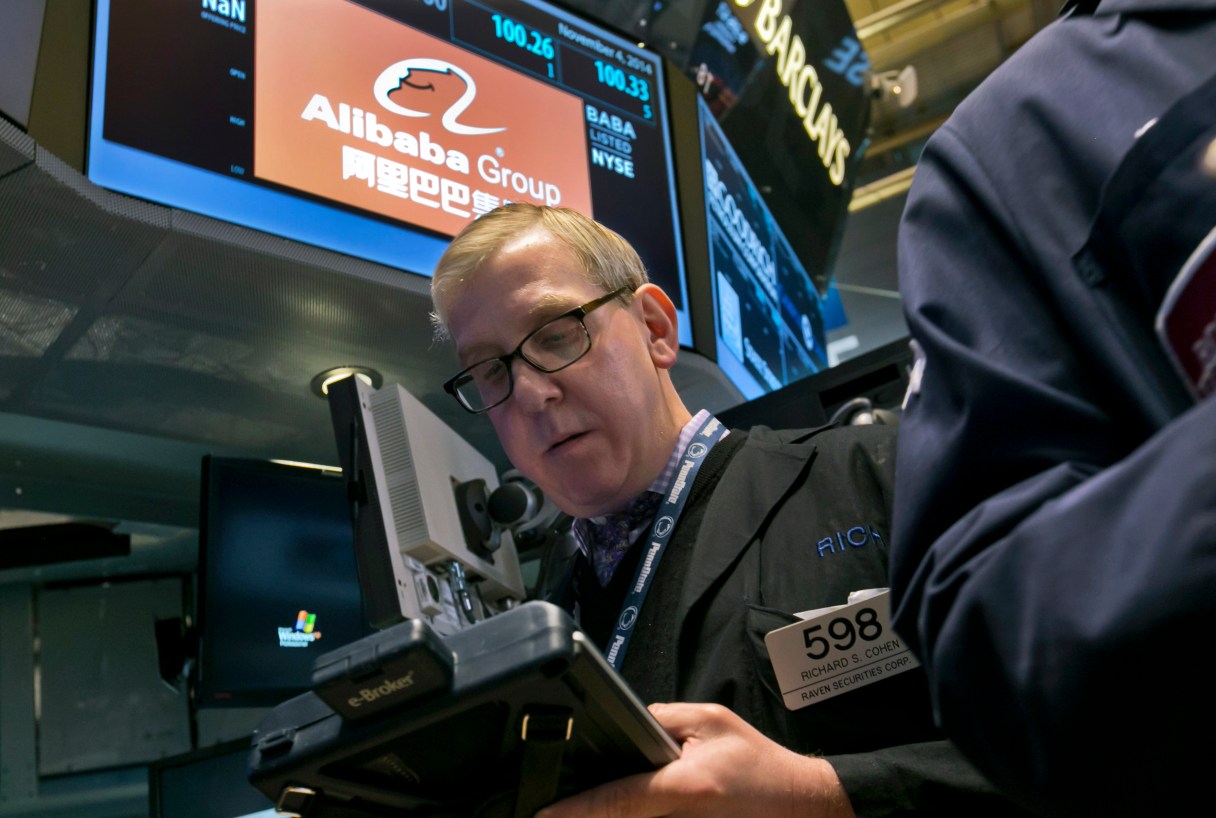
FILE - In this Nov. 4, 2014 file photo, trader Richard Cohen works near the post that handles Alibaba on the floor of the New York Stock Exchange, in New York. Chinese companies like Alibaba, whose initial public offering this year set a record high, operate under lax standards compared with other stocks on U.S. exchanges. That means higher risks for investors. (AP Photo/Richard Drew, File)
FILE - In this Nov. 4, 2014 file photo, trader Richard Cohen works near the post that handles Alibaba on the floor of the New York Stock Exchange, in New York. Chinese companies like Alibaba, whose initial public offering this year set a record high, operate under lax standards compared with other stocks on U.S. exchanges. That means higher risks for investors. (AP Photo/Richard Drew, File) FILE - In this Nov. 4, 2014 file photo, trader Richard Cohen works near the post that handles Alibaba on the floor of the New York Stock Exchange, in New York. Chinese companies like Alibaba, whose initial public offering this year set a record high, operate under lax standards compared with other stocks on U.S. exchanges. That means higher risks for investors. (AP Photo/Richard Drew, File)

WASHINGTON (AP) – Something about the deal smelled fishy.

China Marine Food Group Ltd., a Chinese company then on the New York Stock Exchange, spent $27 million in January 2010 to acquire a firm whose main asset was “algae-based drink know-how.” The weird thing: Three months earlier, the beverage formula had been valued below $8,800.

But when the U.S. Securities and Exchange Commission tried to review the deal, it got nowhere. The company’s Chinese accounting firm refused to provide documents. And the SEC has been stymied since.

And China Marine? Its share price topped $8 in 2010. It’s now around 12 cents.

The case represents a cautionary tale for investors eager to invest in Chinese companies on American exchanges. Chinese companies like Alibaba, whose initial public offering this year set a record high, operate under lax standards compared with other stocks on U.S. exchanges. That means higher risks for investors.