
Friday, October 30, 2026Oct 30

This story is free to read.

Powell says Fed may accelerate pullback in economic support

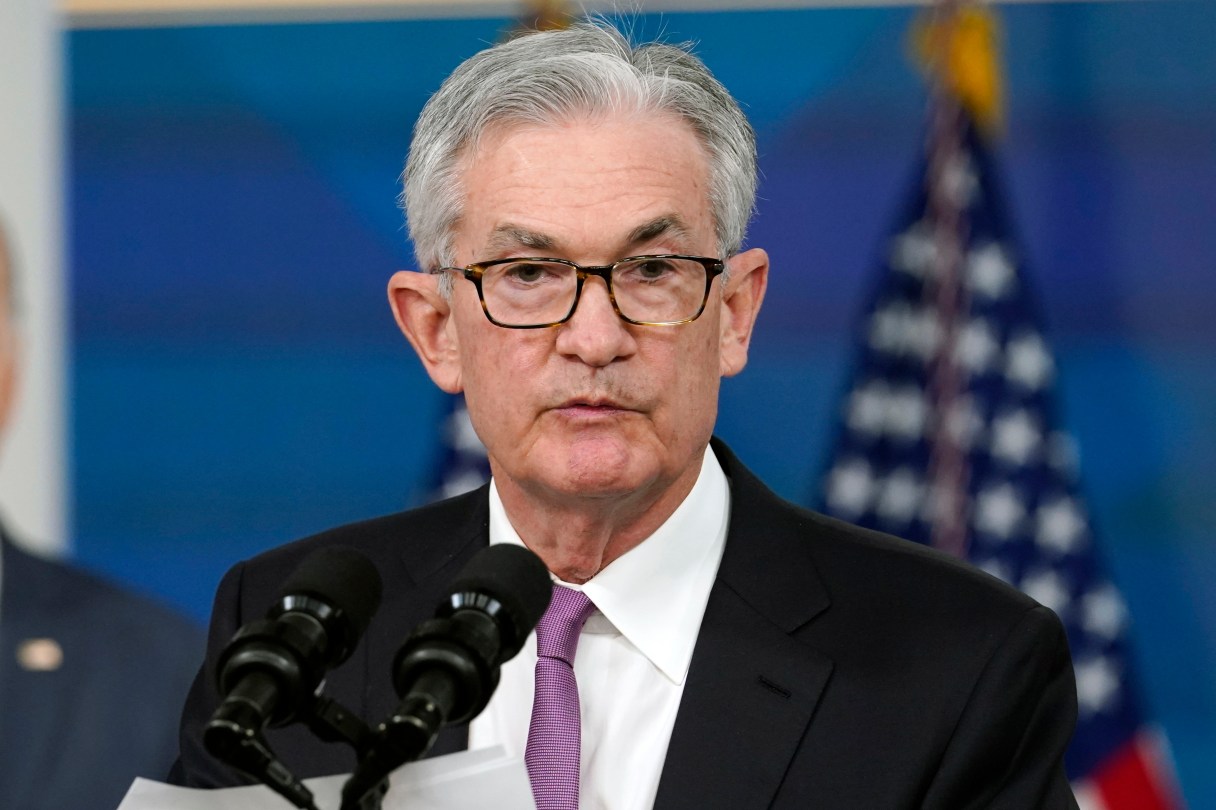
FILe - Federal Reserve Chairman Jerome Powell speaks during an event in the South Court Auditorium on the White House complex in Washington, on Nov. 22, 2021. Powell says that the appearance of a new COVID-19 variant could slow the economy and hiring. He also says it raises uncertainty about inflation. Powell says in remarks to be delivered to the Senate Banking Committee Tuesday that he recent increase in coronavirus cases and the emergence of the omicron variant pose downside risks to employment and economic activity and increased uncertainty for inflation. (AP Photo/Susan Walsh, File)
FILe - Federal Reserve Chairman Jerome Powell speaks during an event in the South Court Auditorium on the White House complex in Washington, on Nov. 22, 2021. Powell says that the appearance of a new COVID-19 variant could slow the economy and hiring. He also says it raises uncertainty about inflation. Powell says in remarks to be delivered to the Senate Banking Committee Tuesday that he recent increase in coronavirus cases and the emergence of the omicron variant pose downside risks to employment and economic activity and increased uncertainty for inflation. (AP Photo/Susan Walsh, File) FILe - Federal Reserve Chairman Jerome Powell speaks during an event in the South Court Auditorium on the White House complex in Washington, on Nov. 22, 2021. Powell says that the appearance of a new COVID-19 variant could slow the economy and hiring. He also says it raises uncertainty about inflation. Powell says in remarks to be delivered to the Senate Banking Committee Tuesday that he recent increase in coronavirus cases and the emergence of the omicron variant pose downside risks to employment and economic activity and increased uncertainty for inflation. (AP Photo/Susan Walsh, File)

WASHINGTON (AP) – Federal Reserve Chair Jerome Powell took a sharp and unexpected turn Tuesday toward tightening credit for consumers and businesses in the face of mounting concerns about high inflation.

Powell signaled that the Fed will likely act more quickly to phase out its ultra-low-interest rate policies even as the emergence of the new omicron variant of COVID-19 has raised fresh doubts about the future of the economy and the direction of inflation.

The Fed chair told the Senate Banking Committee that the central bank’s policymakers will discuss at their next meeting in mid-December whether to accelerate the reduction of their monthly bond purchases, which have been intended to lower long-term borrowing costs. The Fed just announced those reductions in early November at a pace that would end the bond buying in June. But on Tuesday, Powell signaled that the Fed is inclined to end those purchases several months before then.

Doing so would put the Fed on a path to begin raising its key short-term interest rate as early as the first half of next year. That rate has been pegged at nearly zero since last March, when the coronavirus sent the economy into a deep recession. A higher Fed rate would, in turn, raise borrowing costs for mortgages, credit cards and some business loans.

Stock prices tumbled after Powell’s comments, and the Dow Jones Industrial Average lost more than 650 points, or nearly 2%, for the day. Very low interest rates, nurtured by the Fed, have been a key factor in driving share prices to all-time highs since the pandemic struck.