
BARAMULLA, India – My car moved within a column of Indian army vehicles and a cloud of dust. On a normal day, it would have been a smooth journey from the airport in Srinagar, the summer capital of Jammu and Kashmir state, to my family home in the northern town of Baramulla.
But life is very different in the Kashmir Valley these days. The part that India controls is now under an unprecedented security crackdown to prevent an uprising after the central government in New Delhi unexpectedly stripped the region’s special constitutional status, the last vestige of real autonomy for the predominantly Muslim region that is claimed by both India and Pakistan.
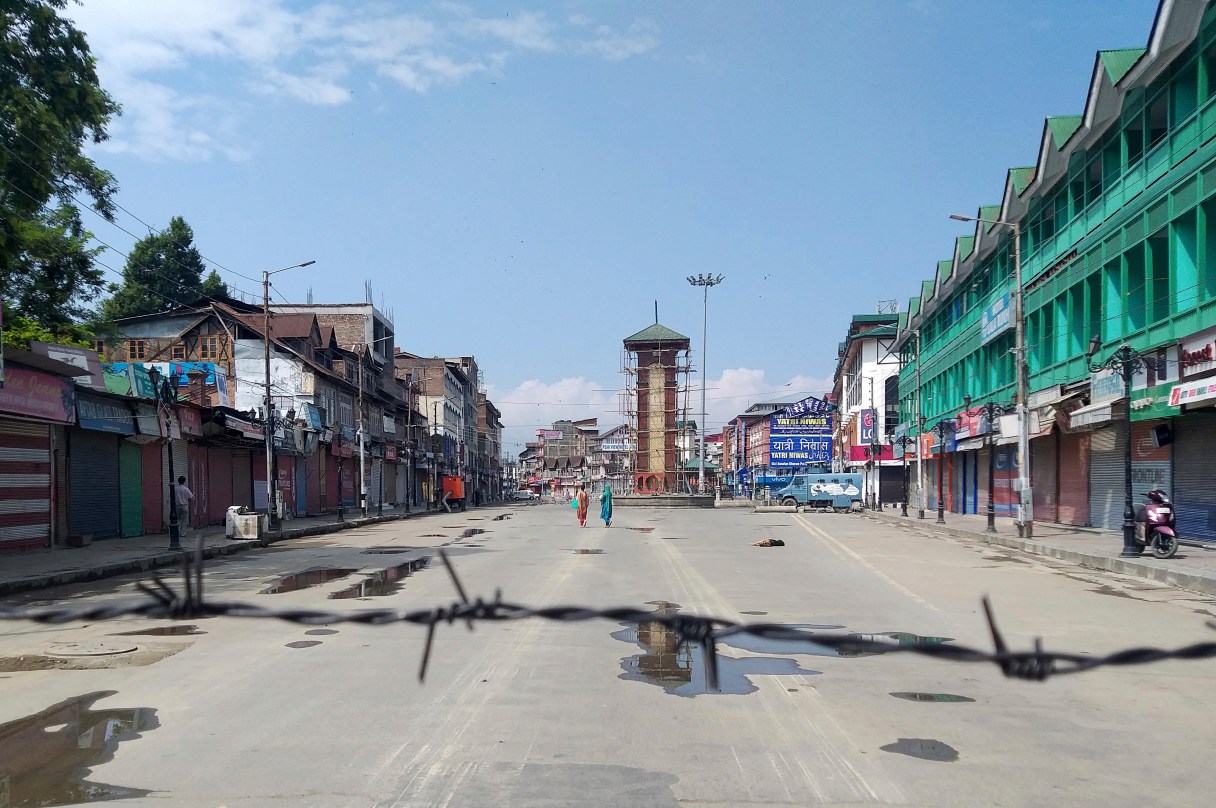
Hundreds of Indian soldiers, armed with automatic rifles, patrol the Srinagar-Baramulla highway, a 35-mile-long road that connects the region’s main city with its northern towns. Civilian traffic is sporadic. Shops are shuttered. Army trucks gather speed along the road. And spools of concertina wire block the streets that branch off the highway, forcing residents to remain indoors.
The Indian-controlled part of Kashmir is under lockdown.
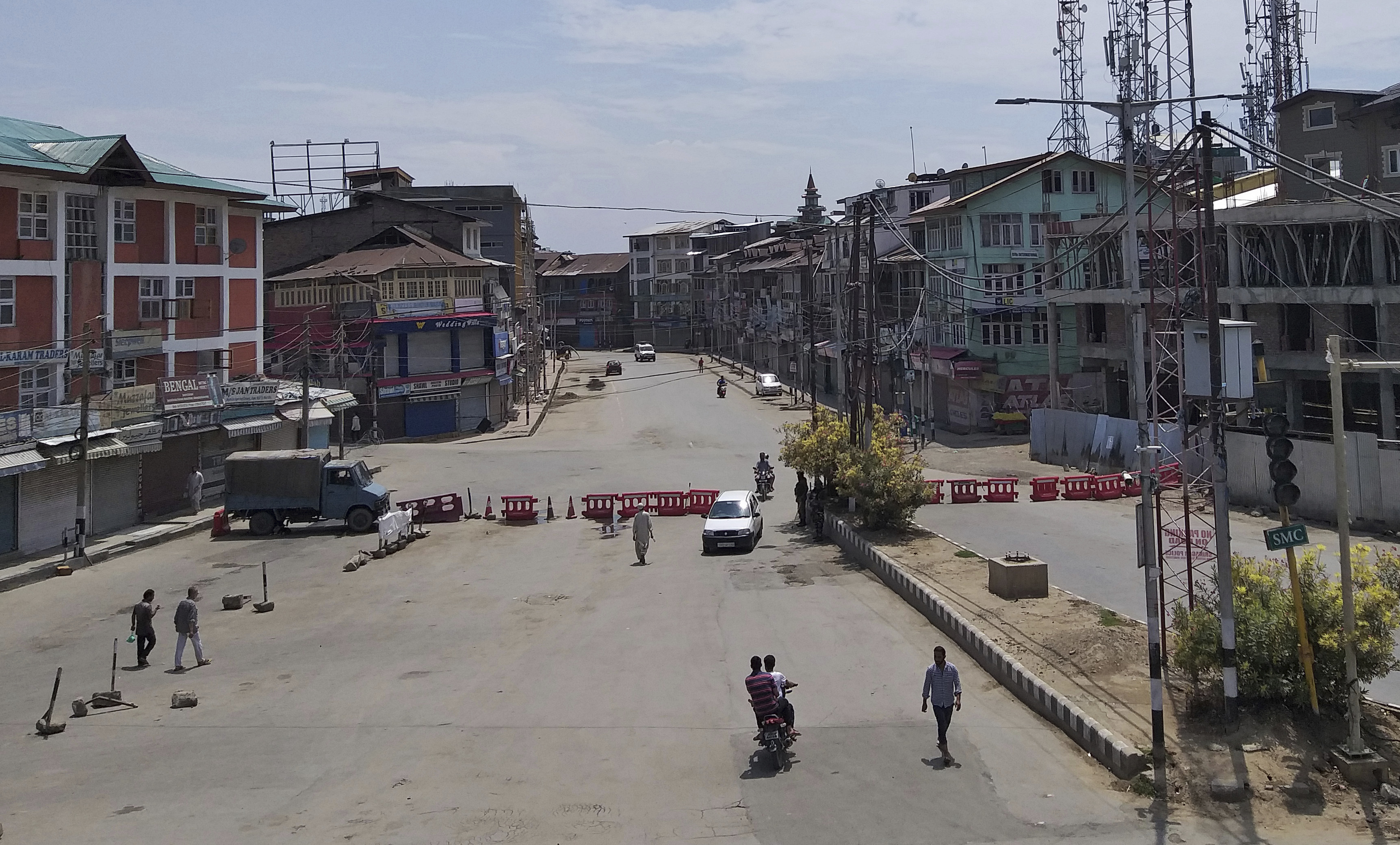 FILE- In this Thursday, Aug. 8, 2019 file photo, pedestrians move on a deserted street in Srinagar, Indian controlled Kashmir. Life is very different in the Kashmir Valley these days, under an unprecedented security crackdown to prevent an uprising after the central government unexpectedly stripped its special constitutional status, the last vestige of real autonomy for the predominantly Muslim region. (AP Photo/Sheikh Saaliq, File)
I first returned to Kashmir last week on a reporting trip when Parliament revoked the region’s special status. My second trip was more personal. I was going home to see my relatives on the Eid al-Adha holiday after not having talked to them for days amid a shutdown of phone and internet service.