
Monday, November 16, 2026Nov 16

Revolution of the Eye: Museum show takes on art and early TV

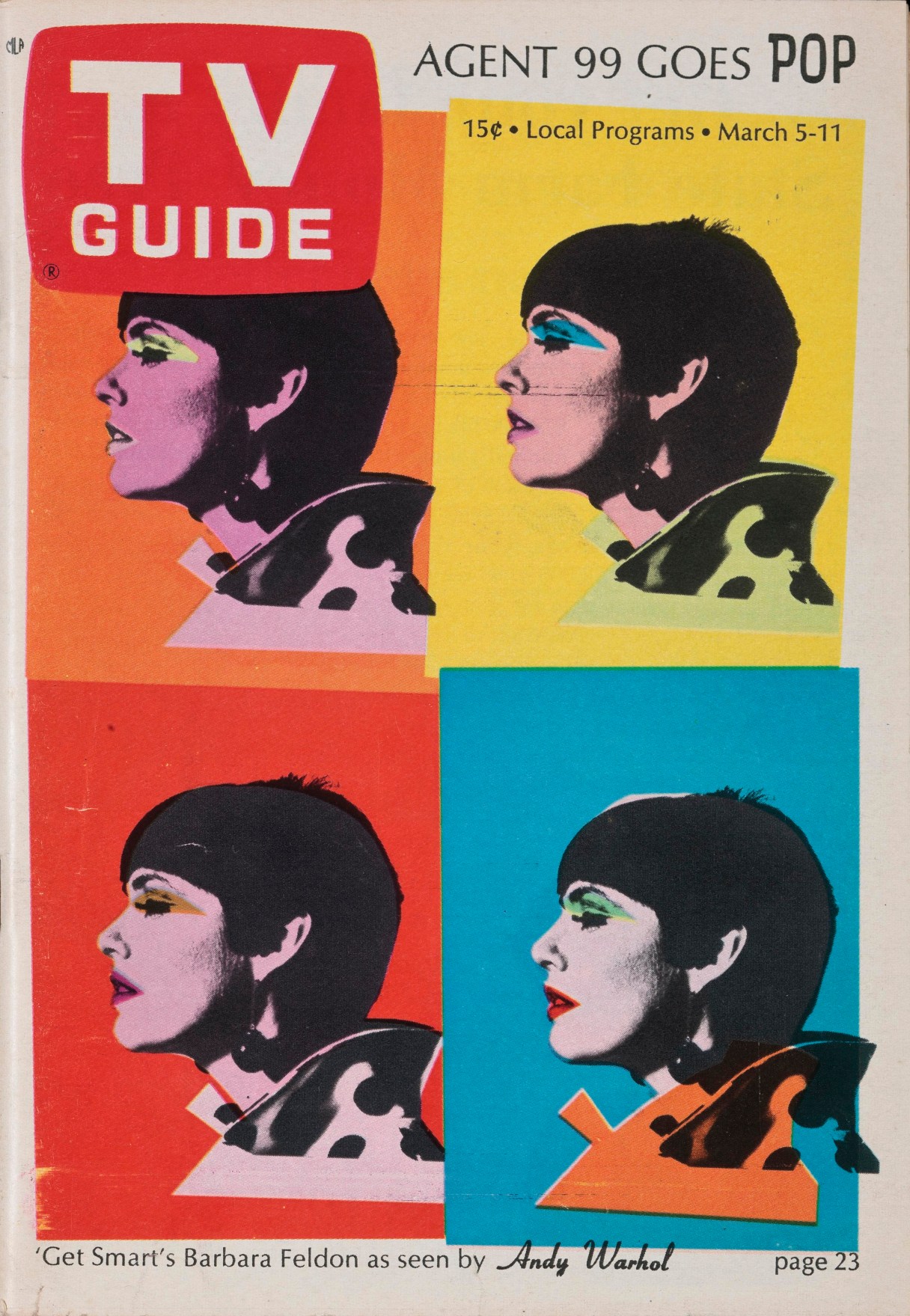
This undated photo provided by the Jewish Museum shows an Andy Warhol, "Get Smart" cover for a 1966 TV Guide, that is included in a new exhibit at the museum in New York, "Revolution of the Eye: Modern Art and the Birth of American Television," running May 1 – Sept. 20. The exhibit explores how avant-garde art influenced the look and content of network television in its formative years while behind it all, through much of the 20th century, were Jewish artists, designers, filmmakers, scholars, critics and performers shaping modern culture and TV simultaneously. (Jewish Museum/The Andy Warhol Foundation for the Visual Arts / Artists Rights Society (ARS), New York, via AP)

NEW YORK (AP) – From Salvador Dali’s turn on “What’s My Line?” to a dreamy, cherry-topped ice cream sundae thought up by Andy Warhol for a restaurant commercial, modern art indelibly influenced early television.

In a new exhibit, “Revolution of the Eye,” the Jewish Museum and its curator, Maurice Berger, travel back to the birth of TV, delving into most every crevice for connections to the art world through more than 260 objects, artifacts and clips.

There’s innovator Rod Serling, who clashed often with network executives over “The Twilight Zone,” Bruce Wayne and Dick Grayson – aka Batman and Robin – debating the elitism of the avant-garde on “Batman,” and the iconic eye logo of CBS, inspired by the hex symbol on Shaker barns.

They’re joined by “Winky Dink and You,” the CBS Saturday morning show that had kids drawing on TV screens via vinyl transparencies in the first ingenious attempt at interactivity in 1953. And there’s Barbra Streisand romping through the Philadelphia Museum of Art in a CBS musical special that showed off the network’s new all-color, prime-time lineup in 1966.

“It’s an excited, open, anything-goes moment that allowed these two communities to come together,” Berger said Tuesday during a media preview ahead of the exhibit’s Friday opening.