
Friday, October 30, 2026Oct 30

This story is free to read.

Stephens: Afghan disaster will follow us home

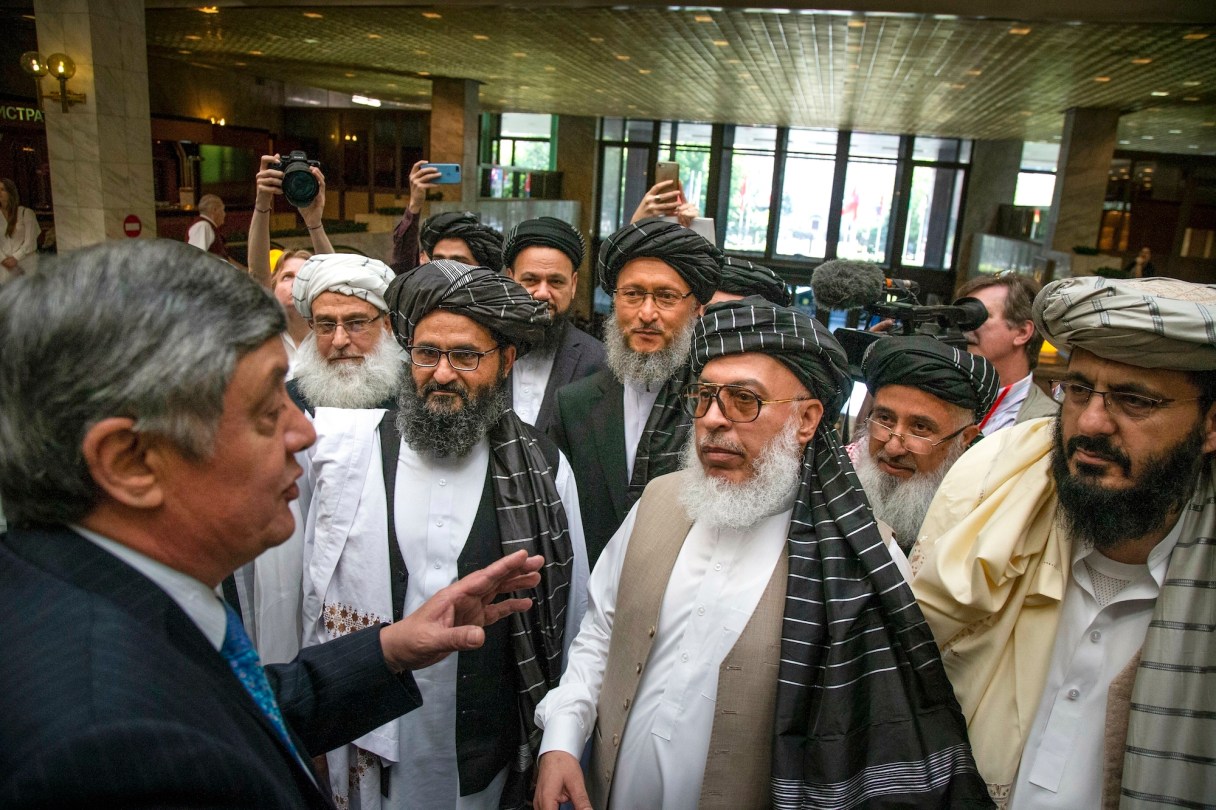
Photo by Alexander Zemlianichenko of The Associated Press / In this Tuesday, May 28, 2019 file photo, Russian presidential envoy to Afghanistan Zamir Kabulov, left, speaks to Mullah Abdul Ghani Baradar, the Taliban group's top political leader, third left, Sher Mohammad Abbas Stanikzai, the Taliban's chief negotiator, third right, and other members of the Taliban delegation prior to their talks in Moscow, Russia. The Taliban's lightning takeover of Afghanistan has come as no shock to Russia, which has worked methodically for years to lay the groundwork for future relations with the group it still officially considers a terrorist organization.
Photo by Alexander Zemlianichenko of The Associated Press / In this Tuesday, May 28, 2019 file photo, Russian presidential envoy to Afghanistan Zamir Kabulov, left, speaks to Mullah Abdul Ghani Baradar, the Taliban group's top political leader, third left, Sher Mohammad Abbas Stanikzai, the Taliban's chief negotiator, third right, and other members of the Taliban delegation prior to their talks in Moscow, Russia. The Taliban's lightning takeover of Afghanistan has come as no shock to Russia, which has worked methodically for years to lay the groundwork for future relations with the group it still officially considers a terrorist organization. Photo by Alexander Zemlianichenko of The Associated Press / In this Tuesday, May 28, 2019 file photo, Russian presidential envoy to Afghanistan Zamir Kabulov, left, speaks to Mullah Abdul Ghani Baradar, the Taliban group's top political leader, third left, Sher Mohammad Abbas Stanikzai, the Taliban's chief negotiator, third right, and other members of the Taliban delegation prior to their talks in Moscow, Russia. The Taliban's lightning takeover of Afghanistan has come as no shock to Russia, which has worked methodically for years to lay the groundwork for future relations with the group it still officially considers a terrorist organization.

What on Earth was Joe Biden thinking – if, that is, he was thinking?

Biden’s heedlessness, on the cusp of a sweeping Taliban blitzkrieg that last Sunday saw its members enter Kabul, will define his administration’s first great fiasco. It won’t matter that he is carrying through on the shambolic withdrawal agreement negotiated last year by the Trump administration.

This is happening on Biden’s watch, at Biden’s insistence, against the advice of his senior military advisers and with Biden’s firm assurance to the American people that what has just come to pass wouldn’t come to pass.

Past presidents might have had a senior adviser resign in the wake of such a debacle, as Les Aspin, then the secretary of defense, did after the 1993 Black Hawk Down episode in Somalia.

This time, Biden owns the moment. He also owns the consequences. We should begin to anticipate them now.