
Turkeys may not be able to fly very far. But their prices can soar – along with the costs of other holiday staples like cranberry sauce and pie filling.
The Thanksgiving table hasn’t been spared the price inflation that is rampant elsewhere in the economy because of strong consumer demand and labor shortages.
The American Farm Bureau estimates a Thanksgiving feast for 10, complete with sweet potatoes, rolls, a vegetable tray and a pie with whipped cream, will cost $53.31 this year, up 14% from a year ago. It’s an unusual spike. Before this year, the annual cost estimate had been falling since 2015.
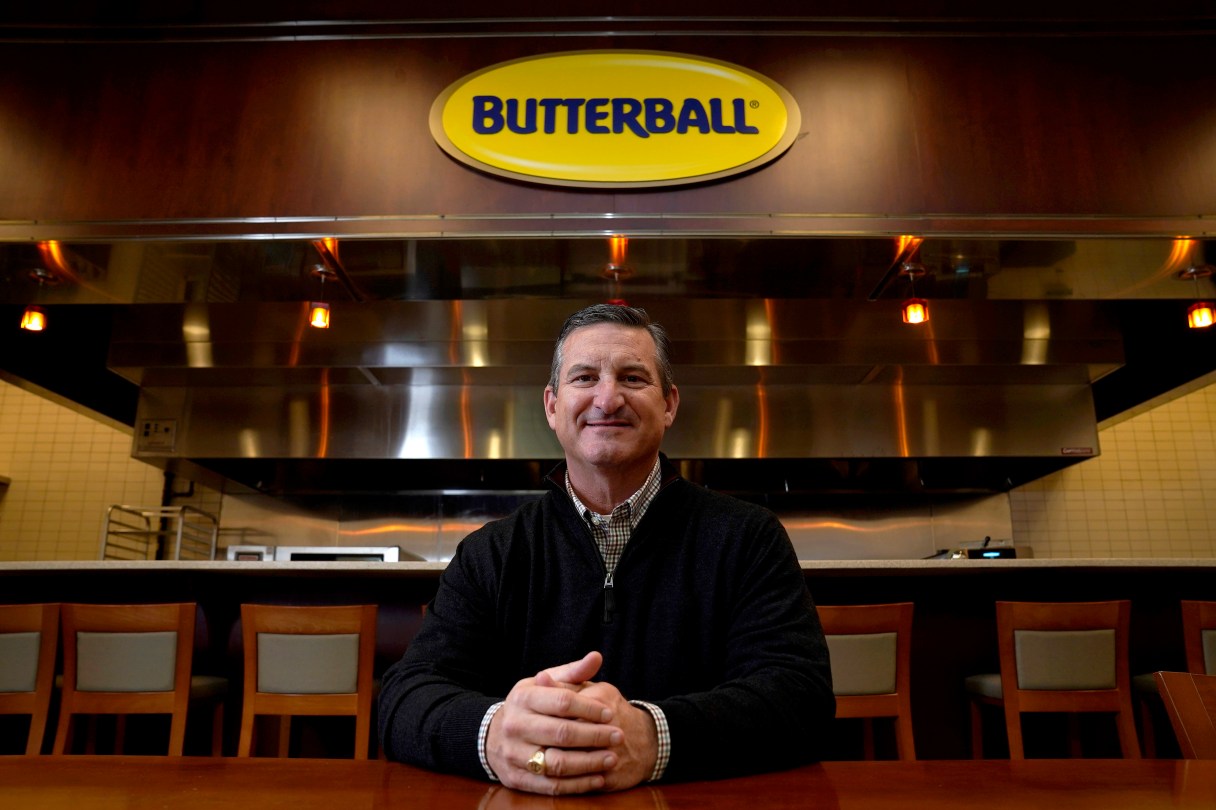
“The inflation is real. Everybody is saying that. Everybody is feeling it,” said Butterball President and CEO Jay Jandrain. “Whether it’s labor, transportation, packaging materials, energy to fuel the plants – everything costs more.”
North Carolina-based Butterball, which supplies around one-third of Thanksgiving turkeys, struggled to attract workers earlier this year, leading to processing delays. While turkeys waited, they grew bigger, adding to already skyrocketing costs for corn and soybean feed.