
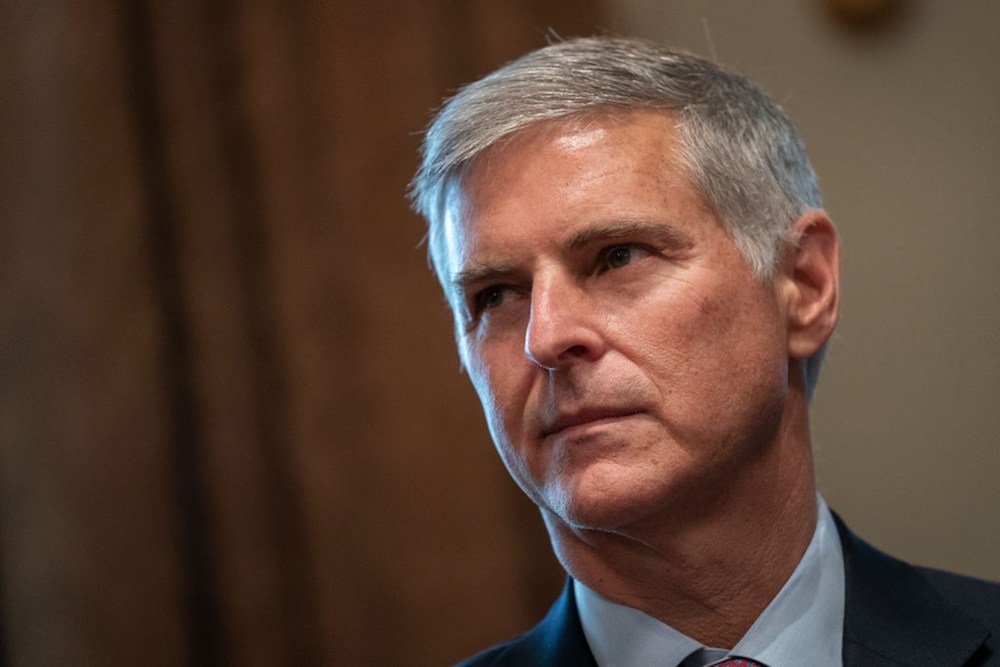
As the financial blow of the pandemic became a reality in the spring of 2020, Hilton Worldwide Holdings Inc. furloughed thousands of workers and eliminated 2,100 corporate positions.
The cuts also appeared to hit the C-suite: Chief Executive Christopher Nassetta opted to forgo his entire base salary for the rest of the year, and five other top executives cut their base salary by 50% for four months.
Despite the salary cut, Nassetta’s compensation package more than doubled to $55.9 million in 2020, compared with $21.4 million in 2019, according to a report filed by Hilton with the Securities and Exchange Commission. His five top executives also took in higher earnings in 2020 – as much as double – compared with the previous year, the SEC filings show.
Why? The base salary that Nassetta waived represented only 6.5% of his total 2020 compensation, while most of his earnings were paid in stock and option awards, among other compensation, such as a 401(k) match and personal use of company aircraft. For the company’s other executives, base salaries represented about 19% of their total compensation.
This was not an isolated case. The financial crisis created by the pandemic prompted executives at hundreds of America’s largest publicly traded companies to voluntarily lower their own base salaries. They made a point of announcing these cuts in news releases and earning calls with analysts.