
Monday, November 16, 2026Nov 16

Under 3 percent of US athletes in Rio had medical exemptions

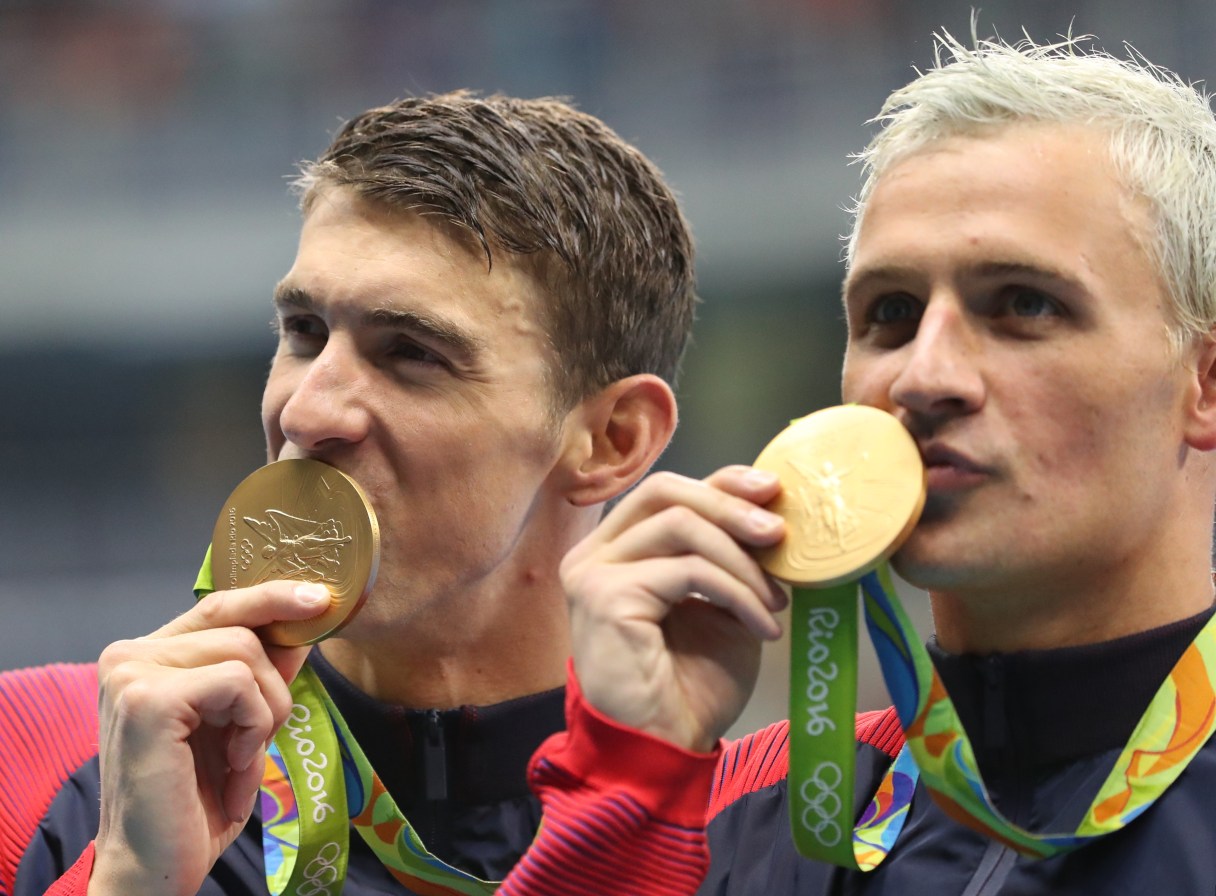
FILE - In this Wednesday, Aug. 10, 2016, file photo, United States' Michael Phelps, left, and Ryan Lochte celebrate winning the gold medal in the men's 4x200-meter freestyle relay during the swimming competitions at the 2016 Summer Olympics in Rio de Janeiro, Brazil. Phelps isn't sure what kind of moves Lochte has planned for "Dancing with the Stars." "I've never seen him dance," the 23-time Olympic gold medalist said Friday, Sept. 2, at the "Call of Duty" fan convention in Inglewood, Calif. (AP Photo/Lee Jin-man, File)

Fifteen of the 558 athletes in the U.S. delegation at the Rio Olympics – or slightly less than 3 percent – had therapeutic-use exemptions in force during the games.

The exemptions, known as TUEs, came under increased scrutiny last week after Russian hackers broke into the database of the World Anti-Doping Agency and posted confidential medical information online from some athletes.

TUEs let athletes use otherwise-banned substances to treat long-standing medical conditions, such as attention-deficit disorder and asthma. Proponents argue those exemptions only level the playing field; critics say they can give competitors an edge.

The hackers largely targeted U.S. female Olympians, among them tennis stars and sisters Serena and Venus Williams, and gold medal-winning gymnast Simone Biles. All three, as well as several other prominent athletes whose medical records were posted, said the data strongly supported their use of a TUE.

“I am one of the strongest supporters of maintaining the highest level of integrity in competitive sport and I have been highly disciplined in following the guidelines,” Venus Williams said in a statement.