
Monday, November 16, 2026Nov 16

Data of all Filipino voters hacked but May polls to go ahead

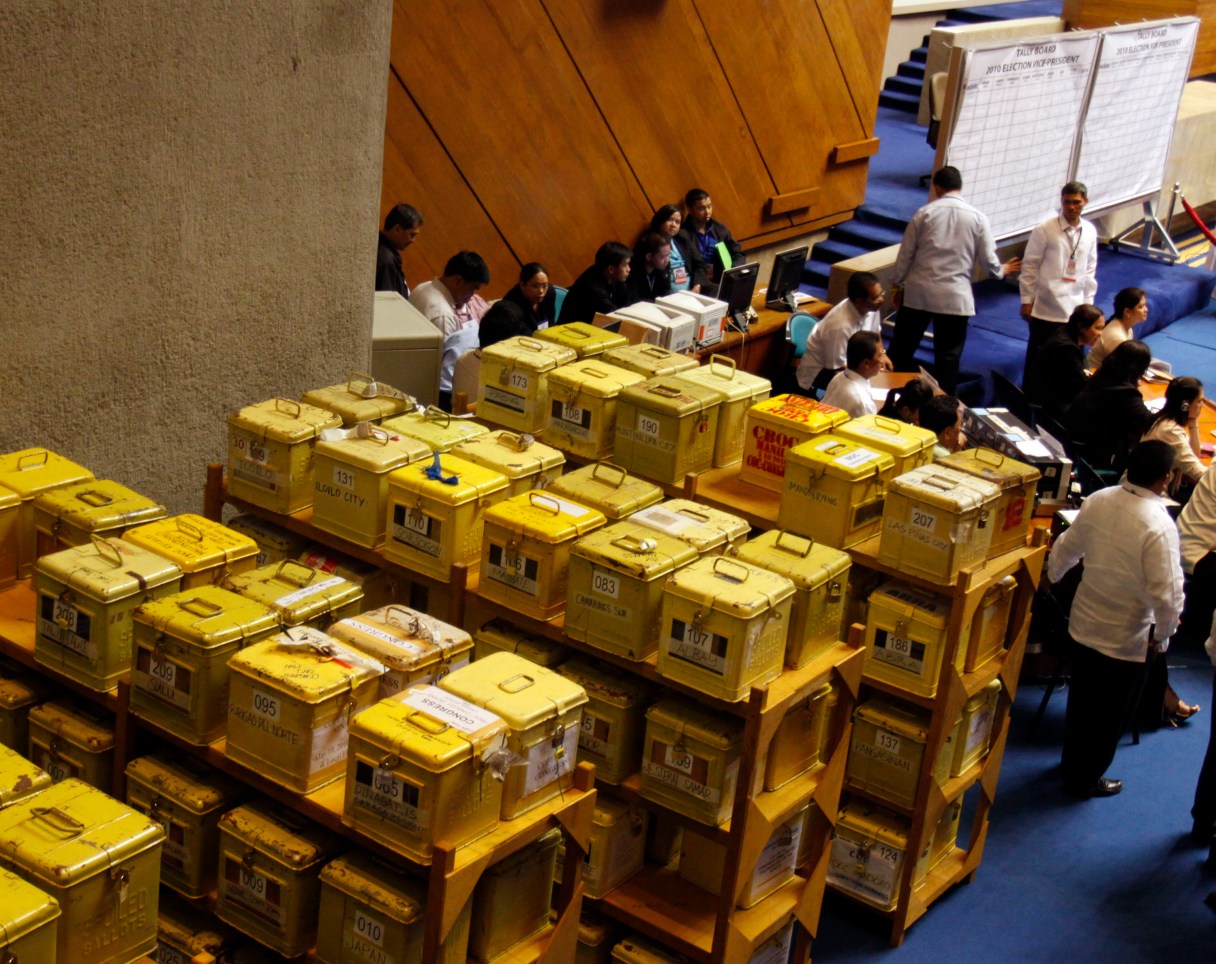
FILE - In this Wednesday, May 26, 2010, file photo security personnel and staff members of the Lower House keep a close eye on ballot boxes containing certificates of canvass, during the second day of deliberations of the National Board of Canvassers at the House of Representatives in Quezon City north of Manila, Philippines. Philippine election officials said Friday, April 22, 2016, that the May 9 national elections will go ahead despite a massive personal data leak of almost all 55 million registered voters in one of the biggest hacking scandals. (AP Photo/Pat Roque, File)

MANILA, Philippines (AP) – A massive leak from a database containing personal details of more than 55 million registered voters in the Philippines will not compromise the May 9 national elections, officials said Friday, in the latest hacking scandal to hit the Southeast Asian nation.

Government agents late Wednesday arrested a 23-year-old suspect, a new graduate of information technology, in his home in Manila. Officials said they are hunting down his alleged accomplices.

Commission on Election spokesman James Jimenez said the automated elections will be run on a different server, not on the one that was hacked, and that experts say the polls are unlikely to be compromised.

The leaked data include voters’ names, birthdays, home addresses, email, parents’ full names and in some cases passport details and text markers of fingerprints.

A hacker group defaced the website of the Commission on Election last month, and on April 6 a second hacker group posted the entire database online, with mirror links where the data could also be downloaded, according to a research by Internet security company Trend Micro.