
Saturday, November 14, 2026Nov 14

Retailers fret as products languish on ships, docks at ports

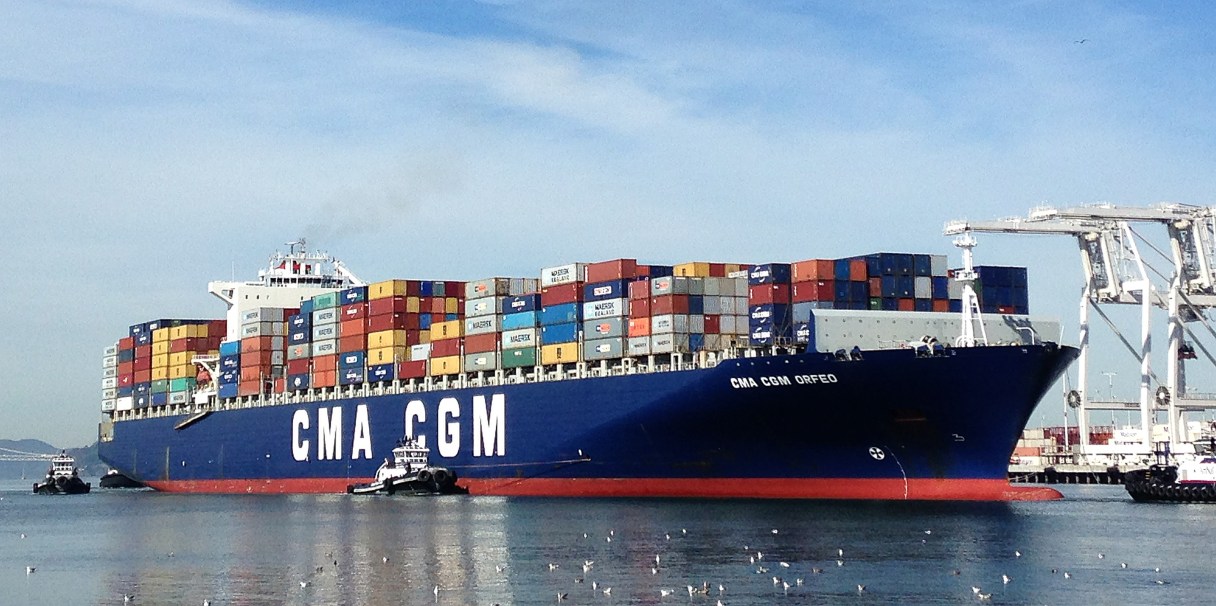
A container ship is guided by tugboats as it arrives at the Port of Oakland to be unloaded Thursday, Feb. 12, 2015, in Oakland, Calif. Companies that operate marine terminals didn't call workers to unload ships Thursday that carry car parts, furniture, clothing, electronics, just about anything made in Asia and destined for U.S. consumers. The partial lockout is the result of an increasingly damaging labor dispute between dockworkers and their employers. The two sides have been negotiating a new contract, and stalled talks have all but paralyzed 29 ports that handle about one-quarter of U.S. international trade, around $1 trillion worth of cargo annually. (AP Photo/Ben Margot)

LOS ANGELES (AP) – It’s early for many Americans still sloshing through winter to plan their gardens, home improvements and spring sports leagues, but stores gearing up for warmer weather are fretting that they won’t have some products to sell due to a labor crisis at West Coast seaports.

The critical gateways for international trade have become more like parking lots for massive cargo ships that haul a you-name-it selection of consumer goods made in Asia and return there with U.S. exports.

The result: Containers of shovels, fencing, bathroom tiles, shoes, even parts to make summer camp footlockers are stuck at the docks or on ships anchored just offshore.

So are car parts, medical equipment and furniture. And U.S.-produced perishables, including meat and produce, are unable to be sent to Asian consumers.

“Someday the snow will melt back East. There’s a huge market for those home-improvement and garden articles,” said Mark Hirzel, president of the Los Angeles Customs Brokers and Freight Forwarders Association, whose members help companies get imports to distribution warehouses and send exports overseas.