
Sunday, November 15, 2026Nov 15

Project details impact of 1970s counterculture on Vermont

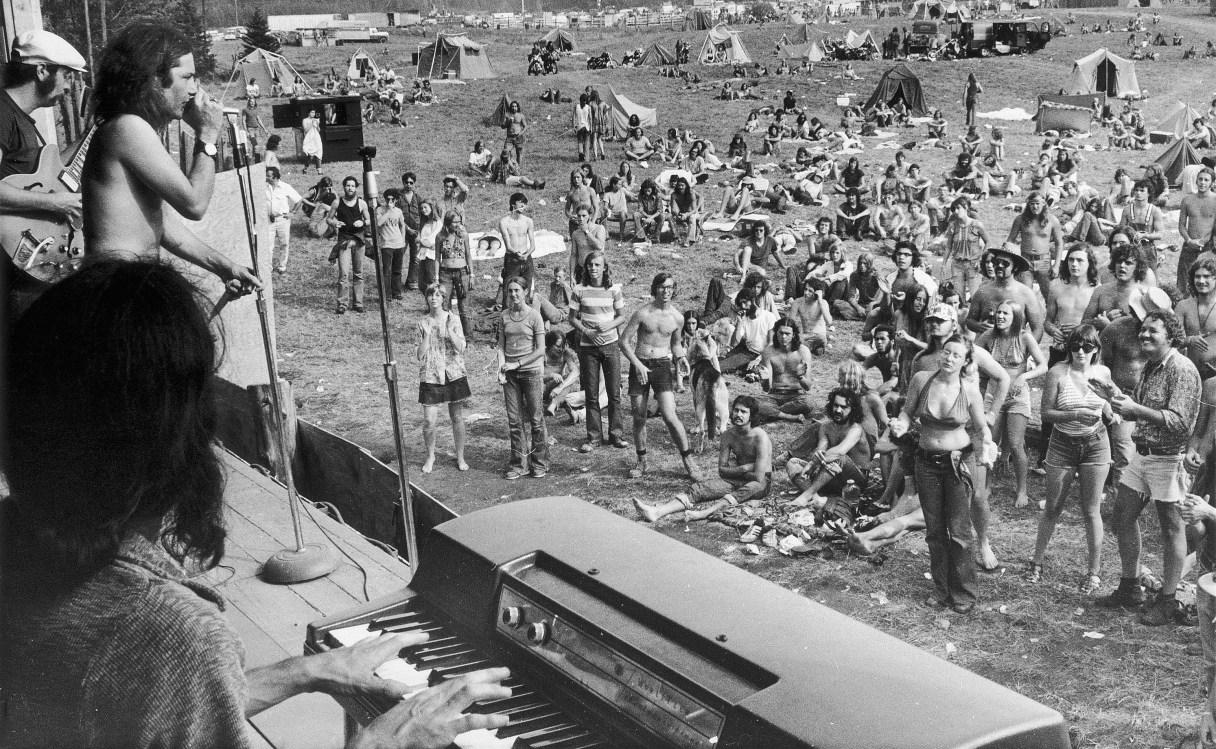
FILE - In this Sept. 1, 1973 file photo, a rock band plays before concert goers on the opening day of a rock festival in Holland, Vt., that attracted a thousands of young people over the three-day Labor Day weekend. The Vermont Historical Society's exhibit 'Freaks, Radicals & Hippies: Counterculture in the 1970s in Vermont' opens at the Vermont History Center in Barre, Vt. on Sept. 24, 2016. The exhibit will showcase how the state became a hotbed for the counterculture as the influx of young people had a lasting influence on the state's politics, agriculture, food and offbeat culture. (AP Photo, File)

MONTPELIER, Vt. (AP) – Vermont in the 1970s was a hotbed for the counterculture, and the influx of young people had a lasting influence on the state’s politics, agriculture and food and offbeat culture.

After two years of research, the Vermont Historical Society’s exhibit “Freaks, Radicals & Hippies: Counterculture in the 1970s in Vermont” opens at the Vermont History Center in Barre on Sept. 24.

“We quickly realized it was more than just getting back to the land and living on a commune and having organic farming,” said curator Jackie Calder.

Vermont’s population, which had been relatively stagnant, jumped 14 percent in the 1960s and 15 percent in the 1970s, with more than half the increase in the latter decade from people moving in from out of state.

Some of what the researchers found after surveying 725 people online and interviewing others, most of whom said they were members of the counterculture.