
Monday, November 16, 2026Nov 16

Black US farmers awaiting billions in promised debt relief

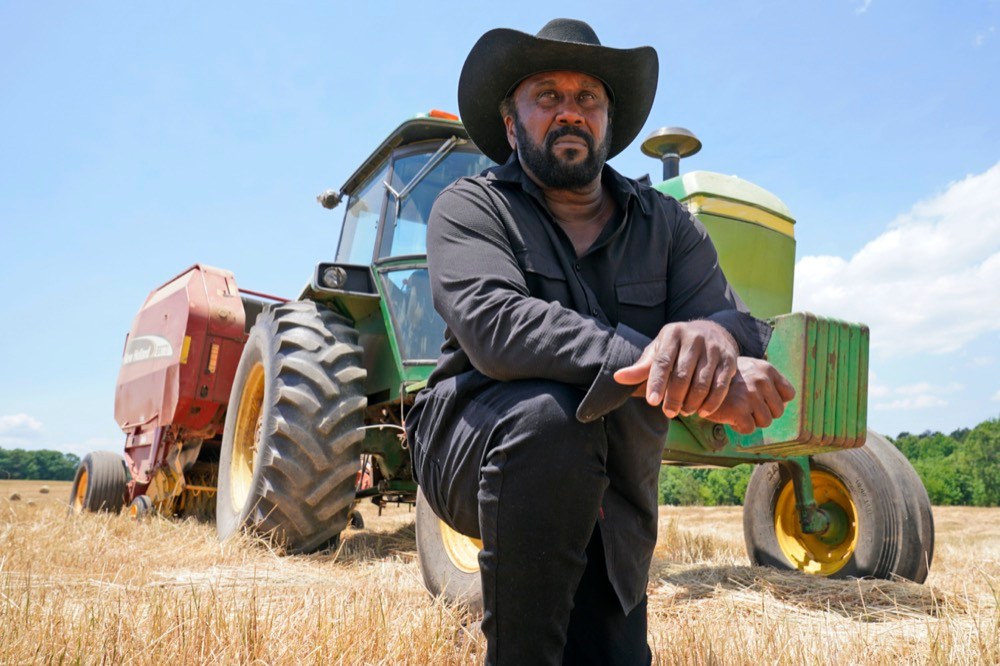
Farmer John Boyd Jr., poses for a portrait during a break from bailing hay at his farm in Boydton, Va., Thursday, May 27, 2021. Documents from a USDA internal review that Boyd provided to The Associated Press show investigators found his operating loan requests were not processed for years, despite explicit instructions from the agency's state director. (AP Photo/Steve Helber)

BOYDTON, Va. (AP) – There was a time when Black farms prospered.

Just two generations out of slavery, by 1910 Black farmers had amassed more than 16 million acres of land and made up about 14 percent of farmers. The fruit of their labors fed much of America.

Now, they have fewer than 4.7 million acres. Black farms in the U.S. plummeted from 925,000 to fewer than 36,000, according to the U.S. Department of Agriculture’s latest farm census. And only about one in 100 farmers is Black.

What happened?

They were able to overcome the broken promise of “40 acres and a mule” to the newly freed slaves – a military order, later rescinded. But over the last century, they faced one obstacle after another because of their race.