
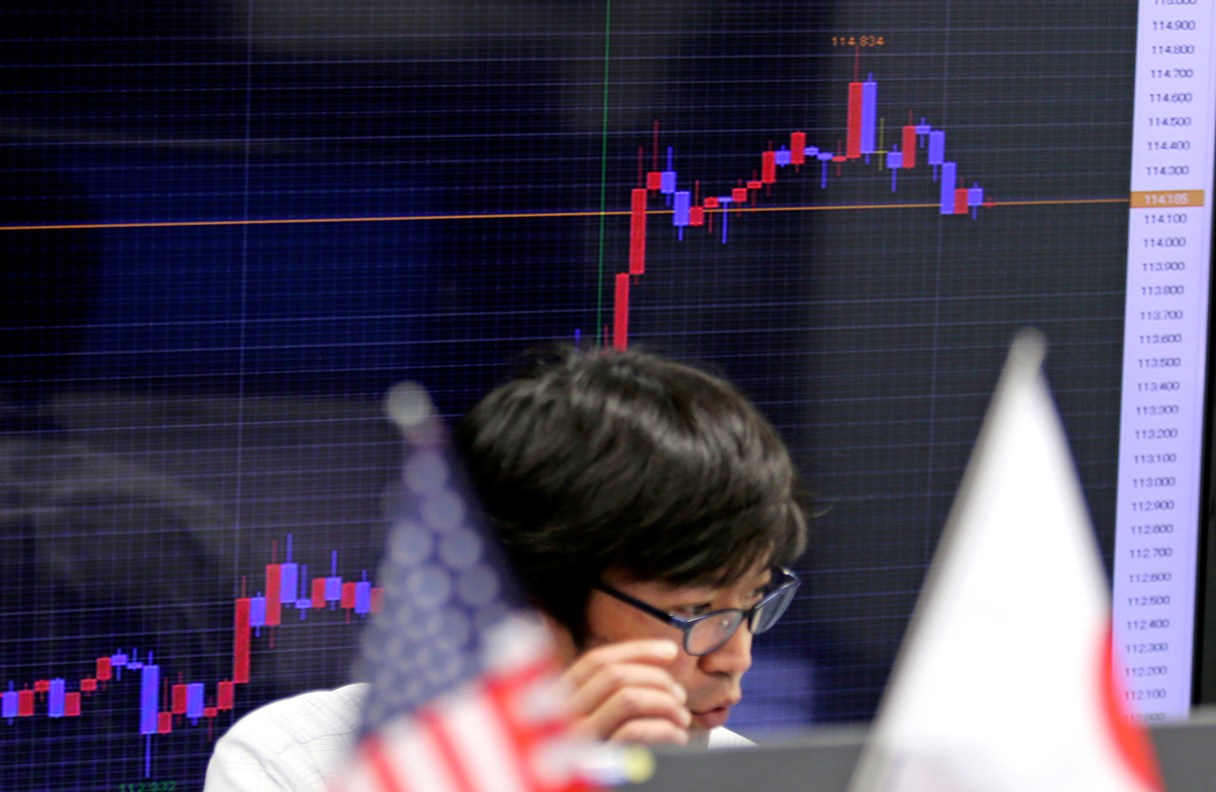
TOKYO (AP) – Large Japanese manufacturers have gained confidence as the yen has weakened against the U.S. dollar since Donald Trump was elected U.S. president, a quarterly survey by the Bank of Japan showed Wednesday.
The BOJ “tankan” survey for December showed a measure of business sentiment among automakers and other big manufacturing companies climbed to 10 from 6. Though modest, it was the first such improvement in six quarters.
The report comes a day before the Bank of Japan is due to hold its last meeting of the year, where it is expected to leave policy unchanged given hints of improved conditions in the economy, the world’s fourth largest.
The tankan index measures the percentage of responding companies that say business conditions are better minus the percentage that say they are worse. So an index level of 10 means slightly more companies are optimistic than pessimistic. Companies can also respond that conditions are unchanged.
It showed the outlook for services companies and other non-manufacturing firms flat at 18. Looking ahead, the outlook index for large manufacturing firms fell to 8, and the outlook for large non-manufacturers fell to 16, reflecting unease over what 2017 will bring, given uncertainties over Trump’s future policies on trade, Britain’s expected exit from the eurozone and weaker growth in developing countries.