
COVID-19 is a plague on humanity, but it hasn’t been that kind to the planet either.
Our efforts to avoid infection led to an unavoidable increase in single-use plastic. Just how much more we are only now starting to grasp.
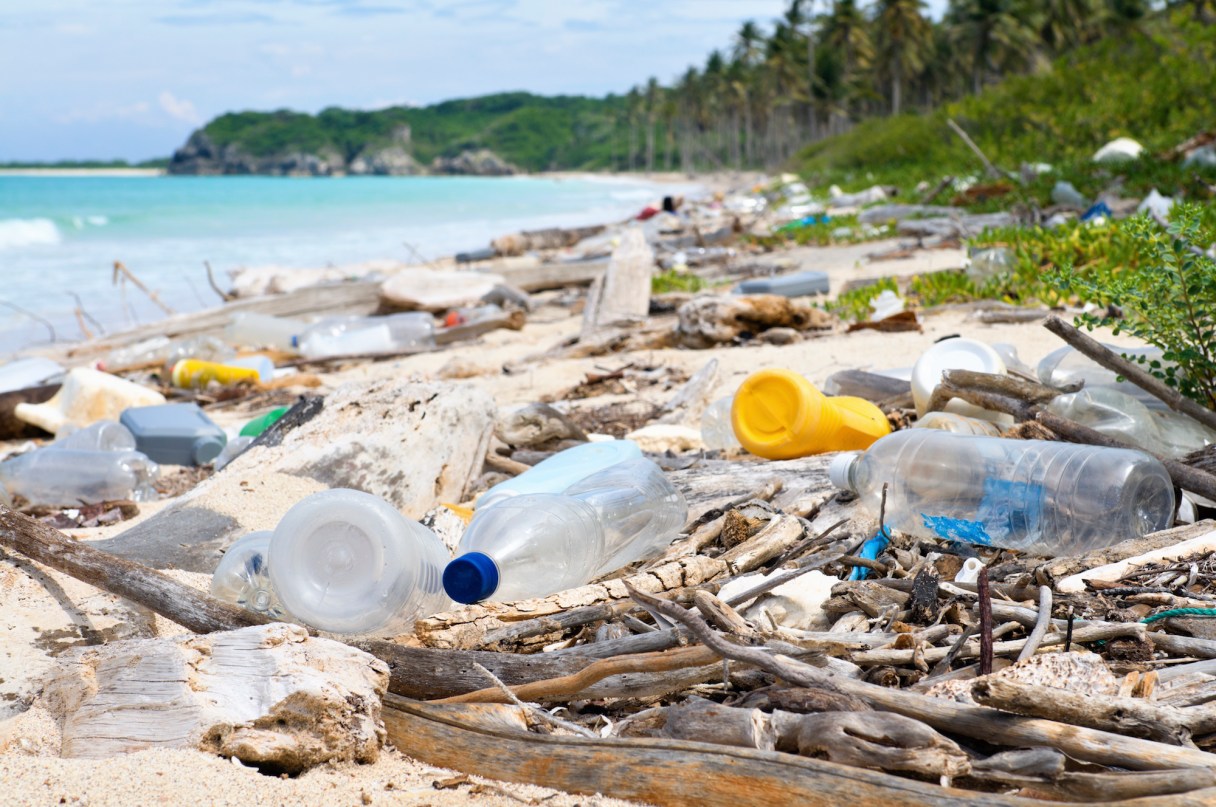
This month a team of researchers from Nanjing University’s School of Atmospheric Sciences in China and UC San Diego’s Scripps Institution of Oceanography published an estimate based on scientific modeling, that 8 million tons of pandemic-related plastic was produced globally as of August. Furthermore, they estimate that about 26,000 tons has or will end up in rivers, oceans, beaches and, ultimately, in the bellies of sea creatures. By the end of this year, their model projects that another 3 million tons of pandemic-related plastic waste will be used.
While some of the trash was generated from increased online sales of various consumer goods, about 70% of the extra plastic came from, no surprise, medical waste such disposable gloves, gowns and masks. (Another report estimates that in 2020 more than 1.5 million disposable face masks ended up in the ocean. Ugh.) The researchers say Asian countries are the source of 72% of the pandemic plastic, but that doesn’t make this only a problem for Asia.
For one thing, once plastic waste enters the ocean it becomes everyone’s problem. But also because the U.S., and California in particular, is a huge generator of plastic trash, much of which is transported to poorer Asian countries that don’t have the infrastructure to dispose of it properly.