
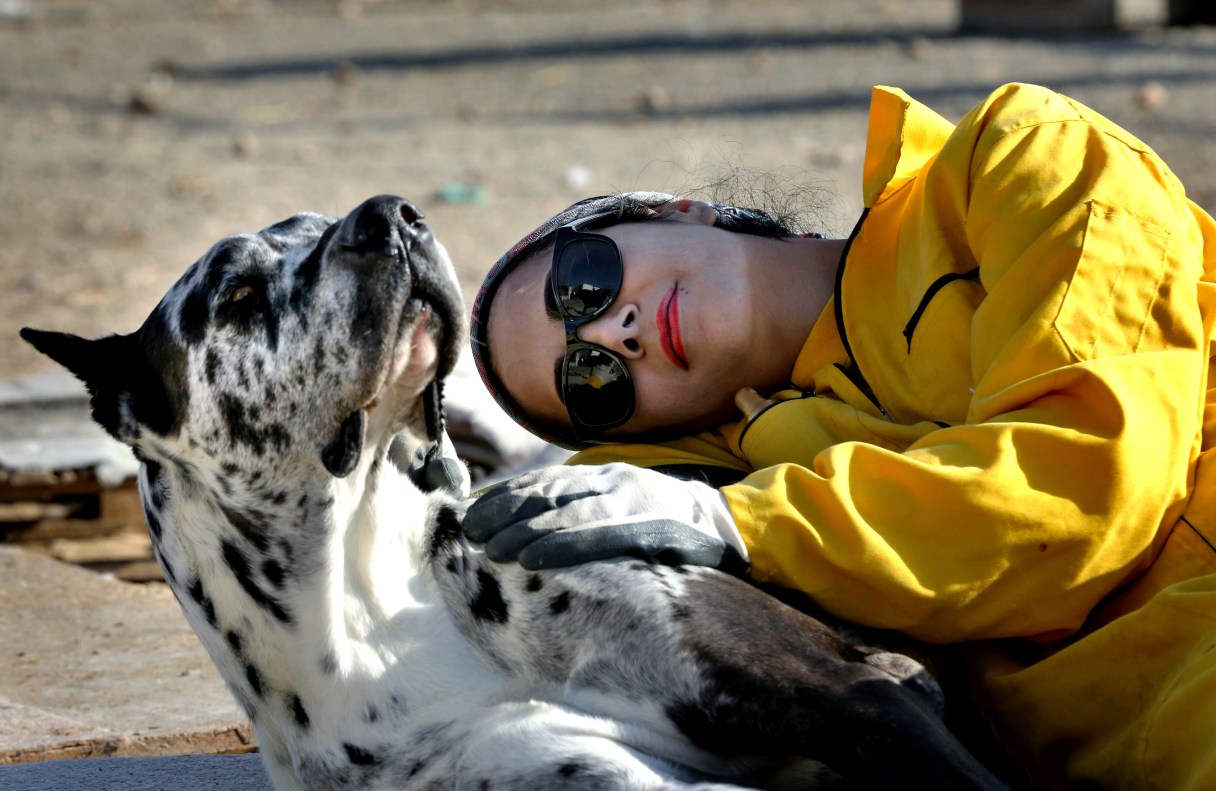
TEHRAN, Iran (AP) – Man’s best friend is seen as anything but in Iran, where city workers gun down strays and conservatives view pet dogs as a corrupting Western influence. But in a rare animal shelter in the countryside west of Tehran, hundreds of lucky pups have found mercy, and a growing number of Iranians are learning to love them.
Islamic tradition holds cats in high esteem, and in much of the Muslim world people leave food out for feral felines. Stray dogs, on the other hand, are often seen as a public nuisance – overgrown rats with wagging tails.
In Iran’s Islamic republic, dog ownership is seen as a pernicious Western import, and conservative lawmakers have called for it to be banned or at least heavily restricted, in line with other regulations governing Western music and fashion.
But outside Tehran, more than 500 dogs find care and affection at the Vafa Animal Shelter, which was established through an endowment in 2004 and is the country’s only licensed animal refuge.
“In our society, dogs are the most vulnerable animals,” said Ali Sani, the shelter’s manager. “The dogs that are brought here used to be in urban environments and were struggling with problems and needed help.”