
NASHVILLE, Tenn. (AP) – On April 20, 1960, the Rev. Martin Luther King, Jr., stood at a podium at Fisk University and said he had come to Nashville “not to bring inspiration, but to gain inspiration from the great movement that has taken place in this community.”
Hundreds of students from Fisk and other historically Black colleges had been sitting down for weeks at whites-only downtown lunch counters. Many were jailed, and their attorney’s home was bombed on April 19, prompting King’s visit.
But the students had also just pressured the mayor to admit, publicly, on the steps of City Hall, that segregation was morally wrong. And within a few more weeks, the lunch counters would be open to all.
It was a major victory for the students in Nashville, the first major Southern city to desegregate its downtown accommodations. But it was just the first step for the attendees of nonviolence workshops led by the Rev. James Lawson. They went on to play integral roles in nearly every major campaign of the civil rights era.
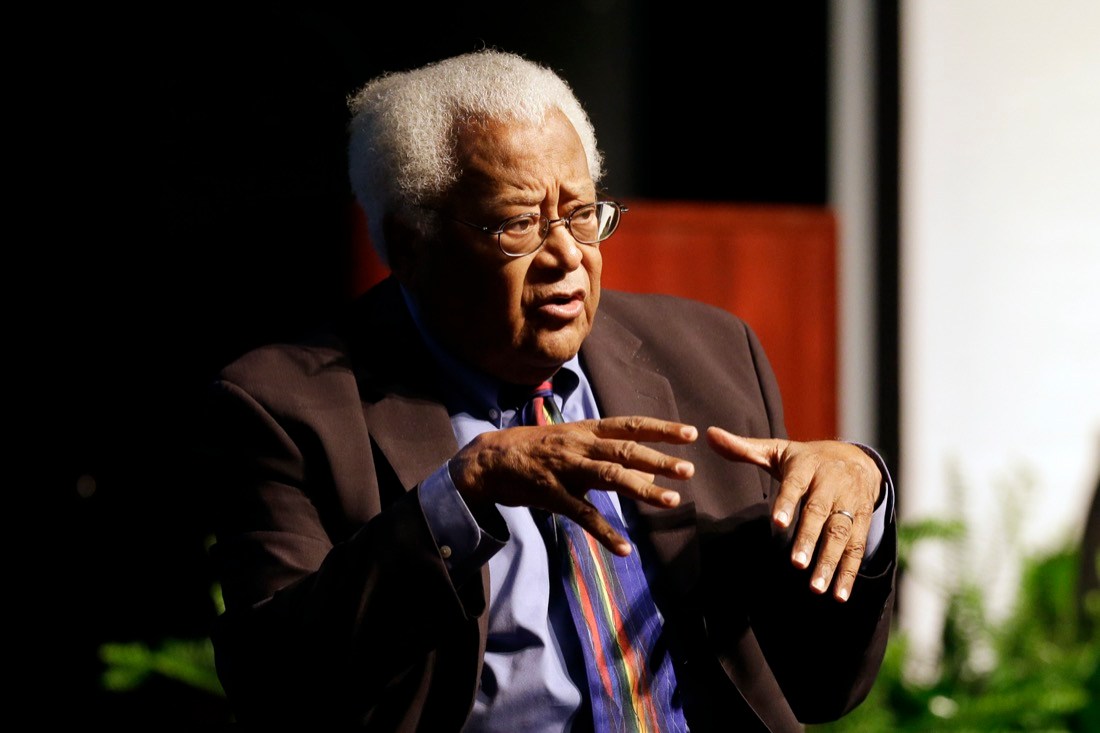
Recently, The Associated Press hosted a video call in which Lawson and three of his workshop participants discussed their civil rights work and how it reverberates in today’s justice movements like Black Lives Matter and voting rights in Georgia.