
Mental health is one of the biggest pandemic issues we’ll face in 2021.
So reads a December 2020 headline from CNN, one that is corroborated by many other sources. Anxiety around the ongoing coronavirus pandemic, the social isolation and economic havoc it has caused, and the nation’s brewing social unrest can all play a part.
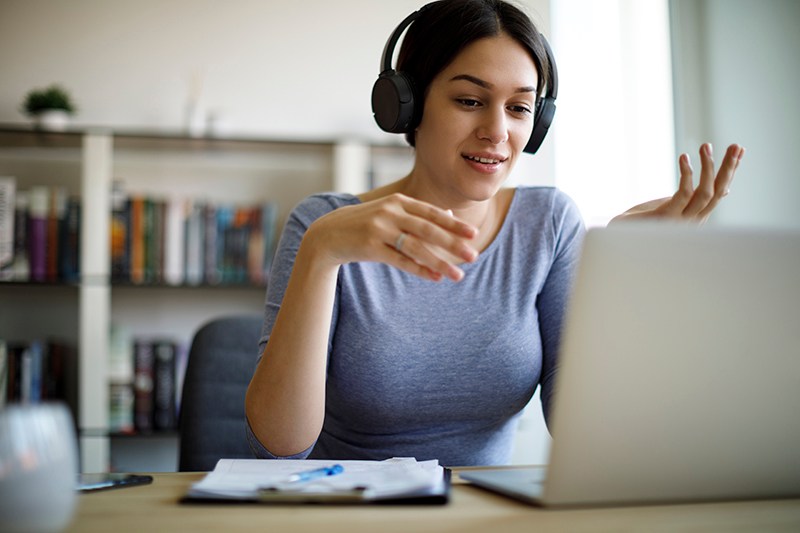
But where do social distancing and stay-at-home orders leave the one-third of Americans currently suffering from the mental health fallout? Virtual therapy may provide the answer.
What it is: The concept should be familiar after nearly a year of communicating largely via computer screens and remote-messaging applications. But teletherapy can take many forms: live (video) chats; personal video, audio or text messaging; secure chat rooms.
Does it work: Though popularized by the pandemic, online therapy has been around as long as the internet. In that time, numerous studies have shown that video therapy can be as effective as face-to-face sessions. But that does not account for the text-based exchanges common on many of today’s leading platforms.