

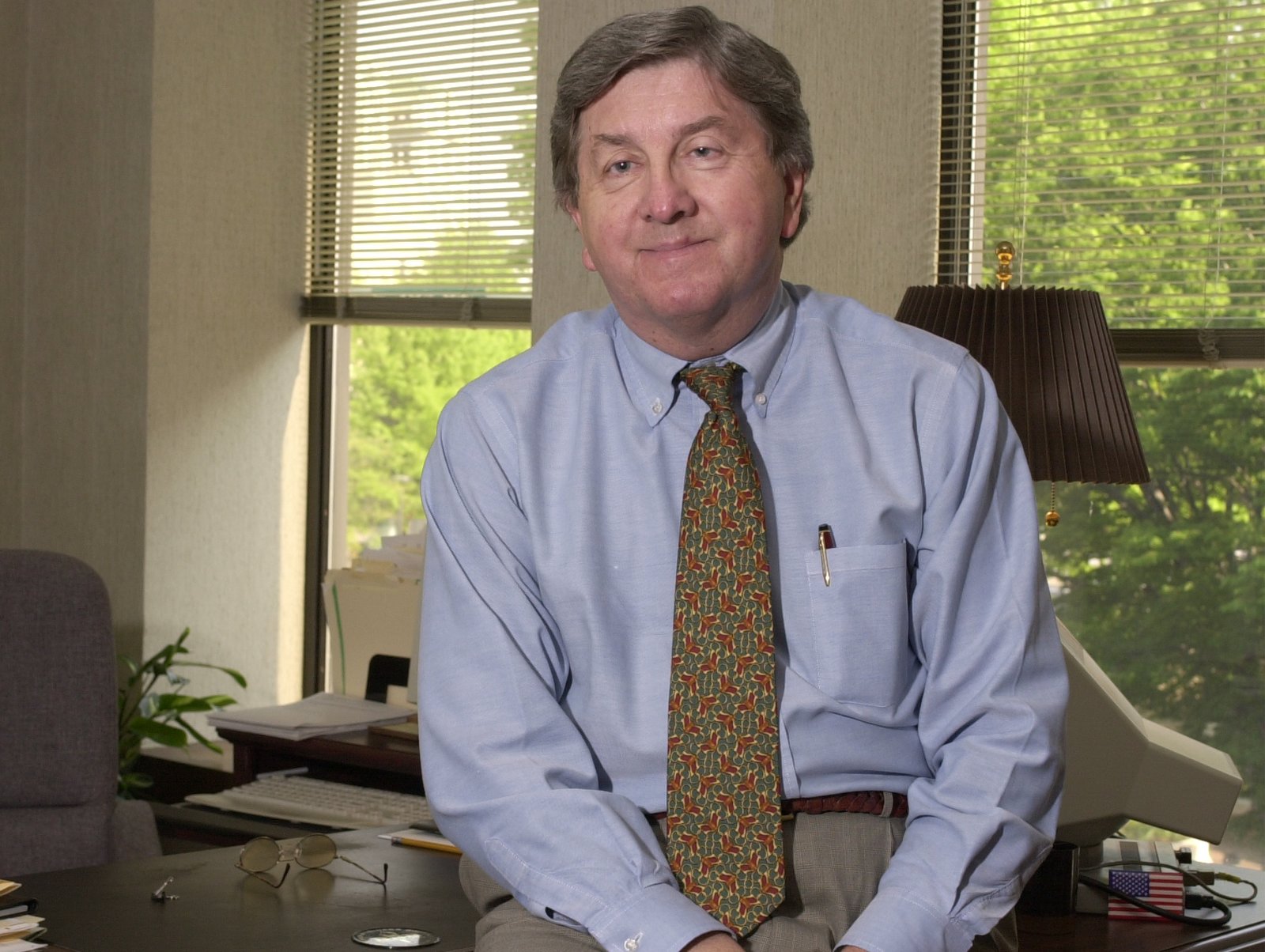
 BBB Chief Exective Jim Winsett
Q: I had an investment firm call me to say that Iraqi dinars are a hot investment right now, and that I can look at future returns to be worth three to five times of what I invest today. It seems pretty tempting. Has the BBB heard of any scams involving Iraqi dinars or foreign currency investing?
A: Over the years, BBB has received complaints nationwide about a number of dinar investments surrounding the profit potential of dinar currency investments. In dinar exchange scams, potential investors exchange U.S. currency for dinar with the lure of receiving high returns on the investment if the value of the Iraqi money were to increase. In other complaints, it appears that companies are not providing the dinars ordered nor are they returning money back to the customers.
While there are legitimate firms that trade foreign currency in foreign exchange markets, others utilize promises of large profits, religious associations, and charity affiliations to take consumers’ money. It is extremely important to look into the company where you are investing your money. This is true with any investment you make. Take the time to find out information on the company and make sure they follow ethical practices and provide the services they advertise.
BBB offers the following tips to help avoid a potential dinar scam:
Make sure the company has authentic currency and verify the product. To avoid buying counterfeit foreign bank notes, purchase currency from dealers registered with the U.S. Treasury as a Money Services Business (MSB). Keep in mind that registration is not a reflection of experience in trading currency nor does it entail any qualifications on the part of the dealer, other than basic anti-money laundering requirements. Also, make sure you are receiving new dinar introduced in 2003; most of the old dinars have a picture of Saddam Hussein on them. Research what is the company’s policy if the dinars are never received or are the wrong ones.