
CHARLESTON, S.C. (AP) – Vickie Hicks, who weaves intricate sweetgrass baskets in Charleston, South Carolina’s historic city market, remembers climbing onto the table at her grandmother’s booth downtown when the floodwaters rushed by.
Decades later, the seasoned seller of this art form passed down by descendants of West African slaves still works downtown, where merchants regularly set out sandbags and scrutinize daily weather forecasts. Hicks says the flooding’s only gotten worse.
“God’s taking back his land,” she said.
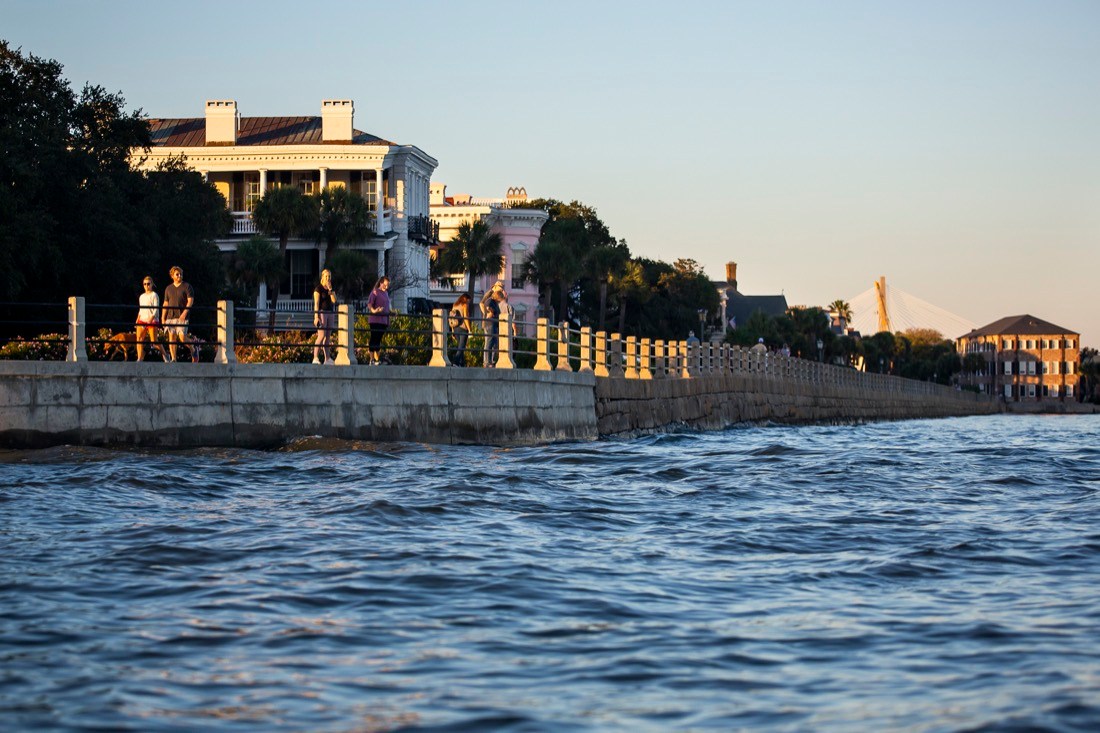
Now, the low-lying Atlantic seaport is considering its most drastic measure yet to protect the lives and livelihoods of residents like Hicks from the threats of climate-driven flooding: walling off its peninsula from the ocean.
Although residents recognize the need for action before Charleston is overwhelmed by the unfolding effects of climate change, many are not certain the wall will do enough to address flooding woes that go beyond storm surges. Some oppose walling off the city from its picturesque waterfront that helps draw millions of visitors each year. Others fear the wall will damage wetlands and wildlife, or that poor neighborhoods will be left out of flooding solutions.