
Sunday, November 15, 2026Nov 15

AP Explains: The obscure law that slowed aid to Puerto Rico

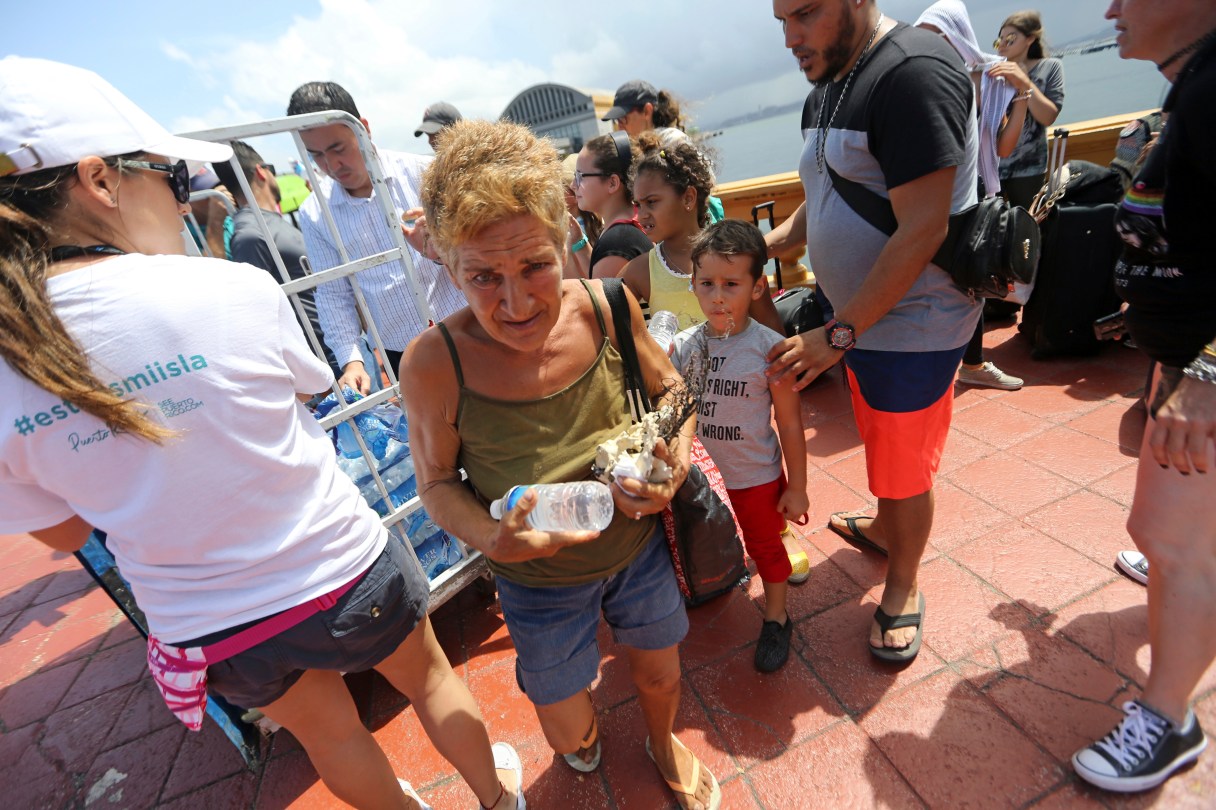
Gale Maldonado carries away water bottles being passed out to people waiting to evacuate Puerto Rico by cruise ship in the aftermath of Hurricane Maria in San Juan, Puerto Rico, Thursday, Sept. 28, 2017. The aftermath of the powerful storm has resulted in a near-total shutdown of the U.S. territory’s economy that could last for weeks and has many people running seriously low on cash and worrying that it will become even harder to survive on this storm-ravaged island. (AP Photo/Gerald Herbert)

WASHINGTON (AP) – President Donald Trump on Thursday waived a 97-year-old law to allow relief supplies to get through to Puerto Rico in the wake of devastation caused by Hurricane Maria.

The so-called Jones Act, which prohibits foreign-flagged ships from hauling cargo between U.S. ports, was slowing the delivery of aid and driving up costs. A brief explanation of the law:

REBUILDING AMERICAN SHIPPING

During World War I, German U-boats decimated America’s merchant fleet. After the war, Congress passed the Merchant Marine Act of 1920 in an effort to rebuild U.S. shipping. Among other things, the law mandated that ships carrying cargo and passengers between U.S. ports must be built in the United States and owned by Americans. The vessels are also required to carry American crews.

The law is known as the Jones Act after sponsor Sen. Wesley Jones of Washington state.