
Sunday, November 15, 2026Nov 15

APNewsBreak: Inquiry cites complacency in sub fire

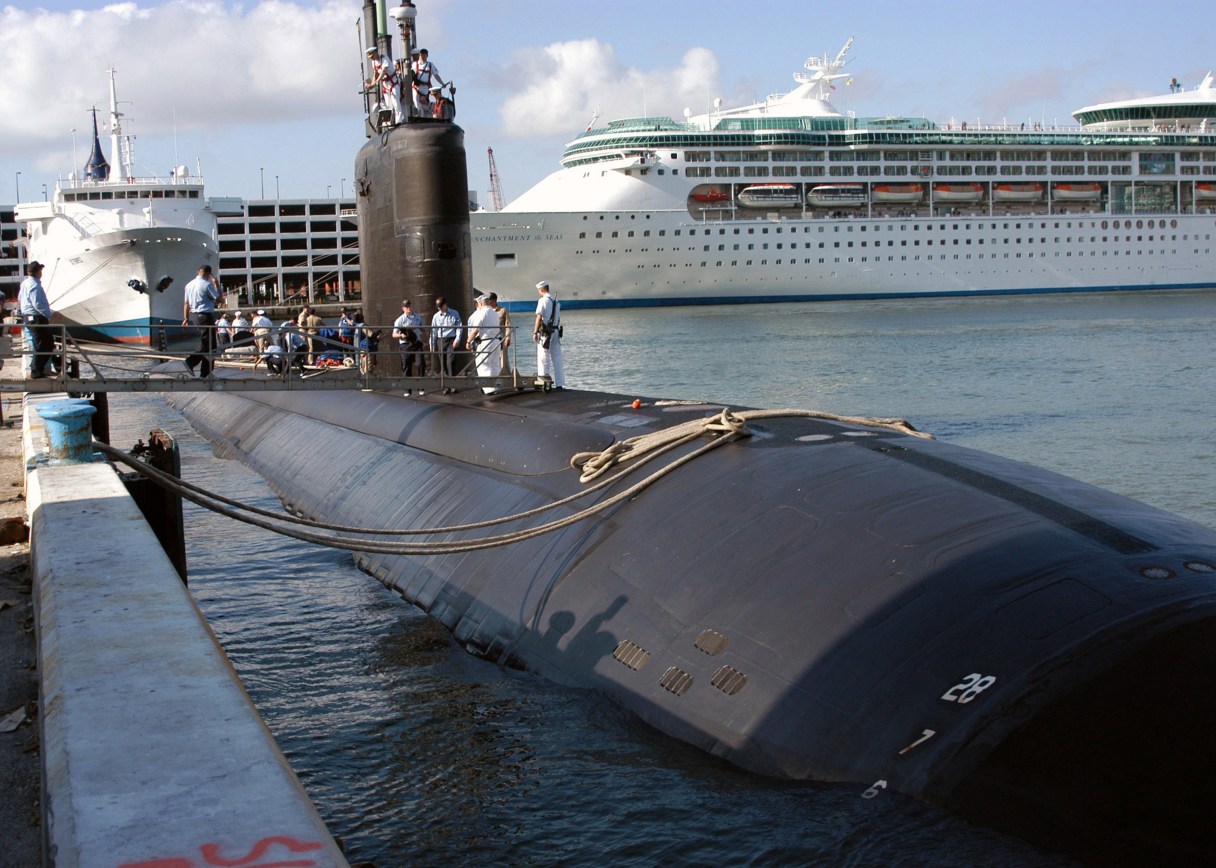
FILE - In this April 26, 2004 file photo provided by the U.S. Navy, the USS Miami (SSN 755) arrives in port, in Fort Lauderdale, Fla. A May 2012 fire that crippled the nuclear submarine at the Portsmouth Naval Shipyard, in Kittery, Maine, showed that the Navy had become complacent about safety in industrial settings and put too much faith in land-based firefighters who had never trained to battle a blaze aboard a submarine, Navy investigators concluded. (AP Photo/U.S. Navy, Petty Officer 2nd Class Kevin Langford, File)

PORTLAND, Maine (AP) – The Navy’s response to a fire that crippled a nuclear submarine at a shipyard showed that it had become complacent about safety and put too much faith in land-based firefighters who had never trained to battle such a blaze, Navy investigators concluded.

The investigators also said there was confusion at the start of the May 2012 fire at the Portsmouth Naval Shipyard and that there were two hour-long periods in which no water was being put on the flames.

The conclusions were included in more than 100 pages of documents obtained by The Associated Press via a Freedom of Information Act request.

It took 12 hours and the efforts of more than 100 firefighters to save the Groton, Connecticut-based USS Miami after a worker who wanted to go home early set a small fire that quickly spread. Though the sub was saved, the Navy ultimately decided to scrap it after the repair bill hit $700 million.

The fire severely damaged living quarters, the command and control center and a torpedo room, but it did not reach the nuclear propulsion components. Seven people were hurt dousing the flames.