
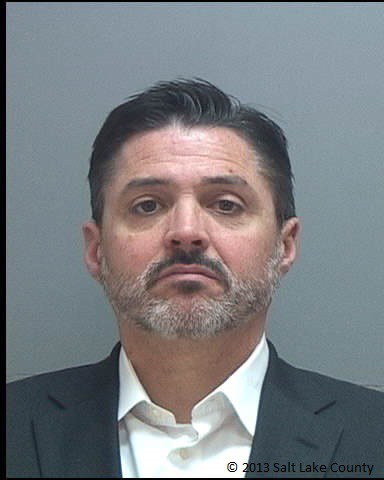
SALT LAKE CITY (AP) – Sean Hosman is a leading voice in the national push to transform the justice system by predicting which criminals will commit crimes again. He also is a repeat offender himself, whose trips in and out of jail provide a striking case study of the movement he helps lead.
Hosman is CEO of Assessments.com, a Utah company with about 100 contracts with state and county governments from Florida to California. An early advocate and true believer in the industry, Hosman has spoken at justice forums in Texas, Idaho and Washington state.
He also has been a frequent visitor to county jails in his home state of Utah and other states in the West. Since 2010, Hosman has been arrested at least nine times, four for DUI and one for cocaine possession. Just like tens of thousands of defendants undergoing this expanding process known as risk assessment, he has been booked, assessed, jailed and sent to rehab.
Hosman’s company is a player in a movement that has received little public attention. Most states now use some form of risk assessment, which includes questionnaires that explore issues beyond criminal history, to help set treatment or sentencing conditions. Advocates said the tools replace gut instincts with hard data, saving the public money by routing low-risk offenders away from prison.
Yet an Associated Press examination discovered significant problems. Assessments work only if every other piece of the system does, too.