
Monday, November 16, 2026Nov 16

17% of food production globally wasted, UN report estimates

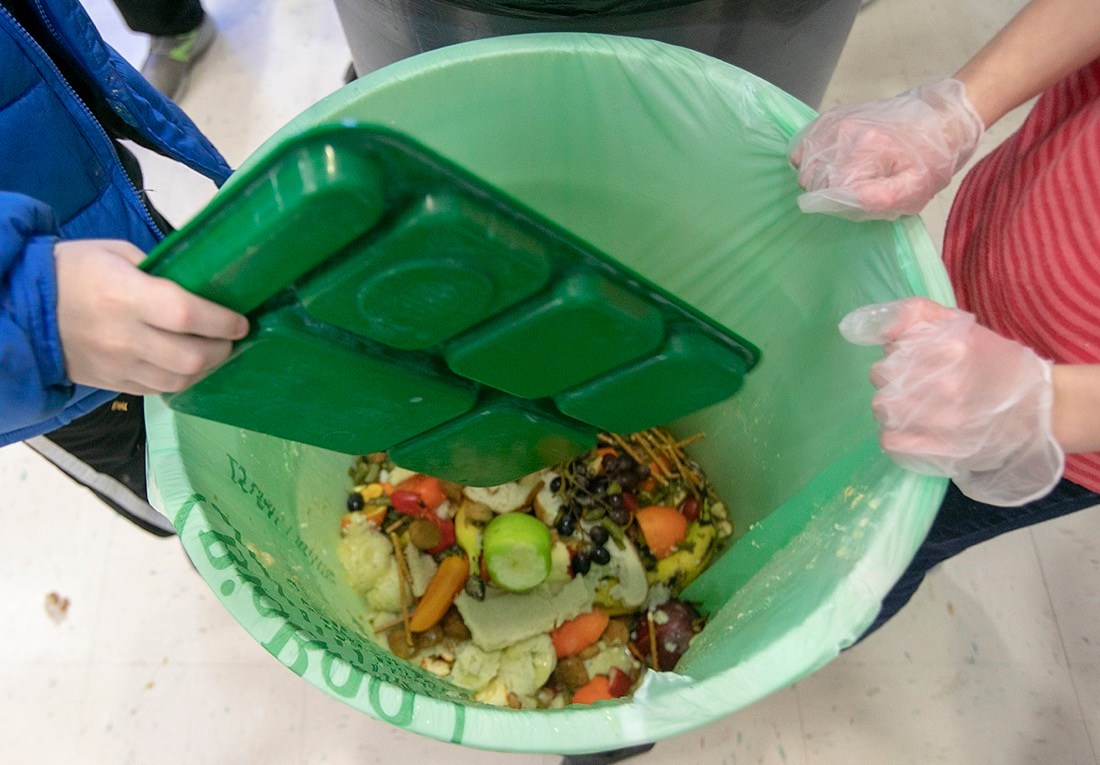
FILE - In this Wednesday, Jan. 15, 2020 file photo, students discard food at the end of their lunch period as part of a lunch waste composting program at an elementary school in Connecticut. A United Nations report released on Thursday, March 4, 2021 estimates 17% of the food produced globally each year is wasted. That amounts to 931 million tons of food, or about double what researchers believed was being wasted a decade ago. And most of the waste — or 61% — happens in households, while food service accounts for 26% and retailers account for 13%. (Dave Zajac/Record-Journal via AP)

NEW YORK (AP) – Instead of finishing your leftovers, you let them go bad and buy takeout.

It’s a familiar routine for many – and indicative of habits that contribute to a global food waste problem that a new United Nations report says needs to be better measured so that it can be effectively addressed.

The U.N. report estimates 17% of the food produced globally each year is wasted. That amounts to 931 million metric tons (1.03 billion tons) of food.

The waste is far more than previous reports had indicated, though direct comparisons are difficult because of differing methodologies and the lack of strong data from many countries.

“Improved measurement can lead to improved management,” said Brian Roe, a food waste researcher at Ohio State University who was not involved in the report.