
“Democrats need to have a positive agenda, not just be against Donald Trump.” How many times did you hear pundits say something like that during the midterm campaigns? In fact, you’re still hearing it from people like Seth Moulton, who’s leading the (apparently failing) effort to block Nancy Pelosi from returning as House speaker.
What makes this lazy accusation so annoying is that it’s demonstrably, arithmetically wrong. Yes, Trump was on everyone’s mind, but he was remarkably absent from Democratic messaging. A tally by the Wesleyan Media Project found that the 2018 elections stand out not for how much Democrats talked about the tweeter in chief, but for how little: Not since 2002 has an opposition party run so few ads attacking the occupant of the White House.
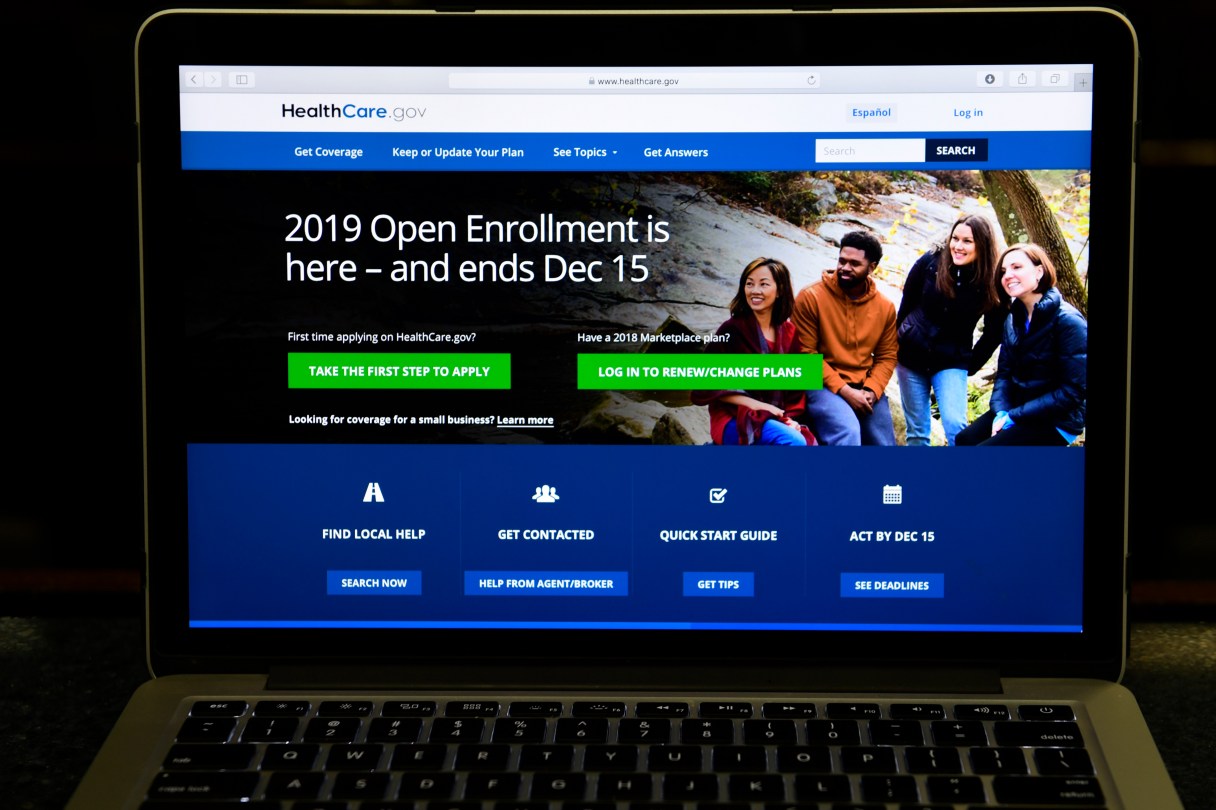
So what did the campaigns that led to a blue wave talk about? Above all, health care, which featured in more than half of Democrats’ ads. Which raises the question: Now that Democrats have had their big House victory and a lot of success in state-level races, can they do anything to deliver on their key campaign issue?
Yes, they can – at the state level.
The ACA didn’t, strictly speaking, create a national program. Instead, it set rules and provided financing for 50 state-level programs. States were encouraged to create their own health insurance marketplaces, although they had the option to use healthcare.gov, the federal site. A 2012 Supreme Court decision also let states opt out of Medicaid expansion, and many did choose to refuse federal dollars and deprive their own residents of health care.