
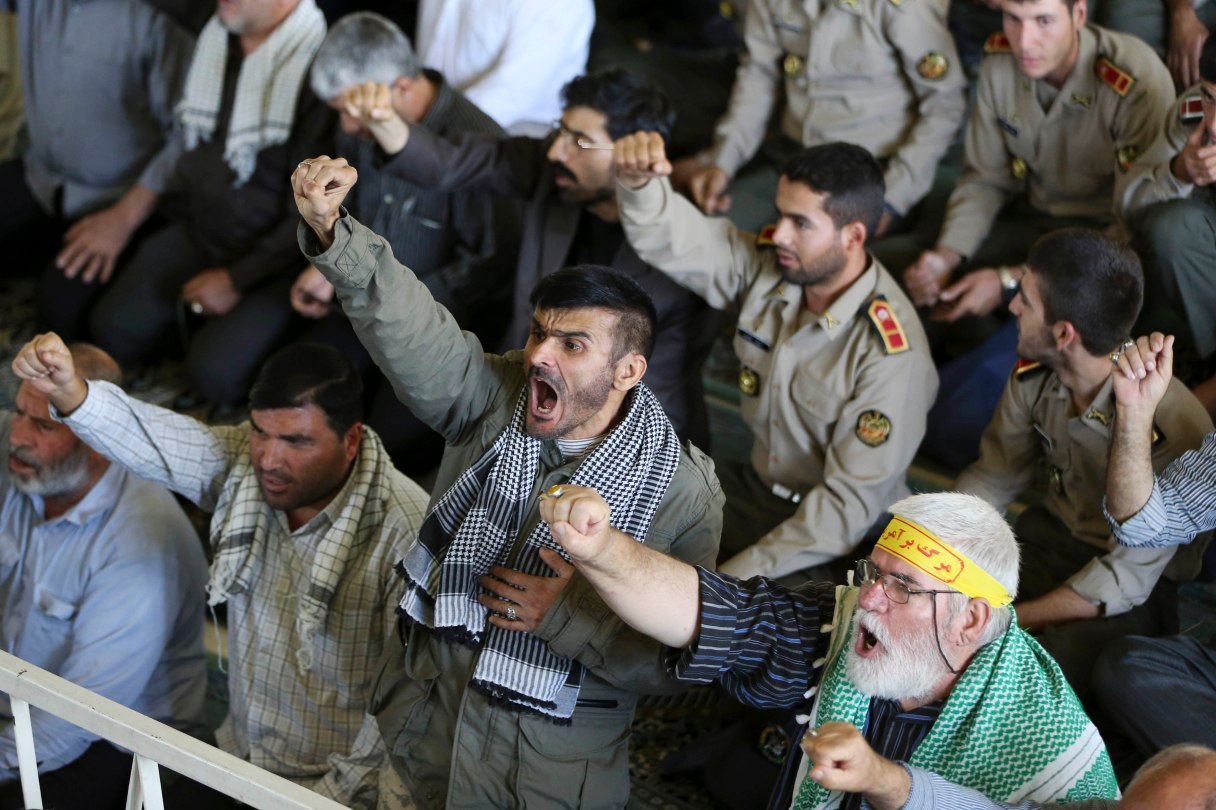
TEHRAN, Iran – Iran on Saturday vowed to take international legal action against Saudi Arabia’s rulers over the crush of Muslim pilgrims at this year’s hajj, which killed at least 769 people, including 136 Iranians, and has led to an escalation of tensions between the regional archrivals.
The pilgrims suffocated or were trampled to death Thursday when two massive crowds converged on a narrow street, in the worst disaster to occur during the annual pilgrimage in a quarter-century. Shiite Iran has accused Sunni Saudi Arabia of mismanaging the pilgrimage, which annually draws some 2 million people from 180 countries.
Iranians comprise the largest group of casualties identified so far. Iranian state TV says a former ambassador to Lebanon, as well as two Iranian state TV reporters and a prominent political analyst are among those still missing. The semi-official Fars news agency said a former ambassador to Slovenia was among the dead.
“Under international law, this incident is absolutely subject to prosecution. The Al-Saud must be responsive,” Iran’s State Prosecutor Ebrahim Raisi told state TV, referring to Saudi Arabia’s ruling family.
He said Saudi authorities blocked a road used by hajj pilgrims to allow a royal convoy to pass through, causing the deadly convergence in the town of Mina on the outskirts of Mecca.