
Saturday, November 14, 2026Nov 14

Iraq premier tested by political rivals, offensive

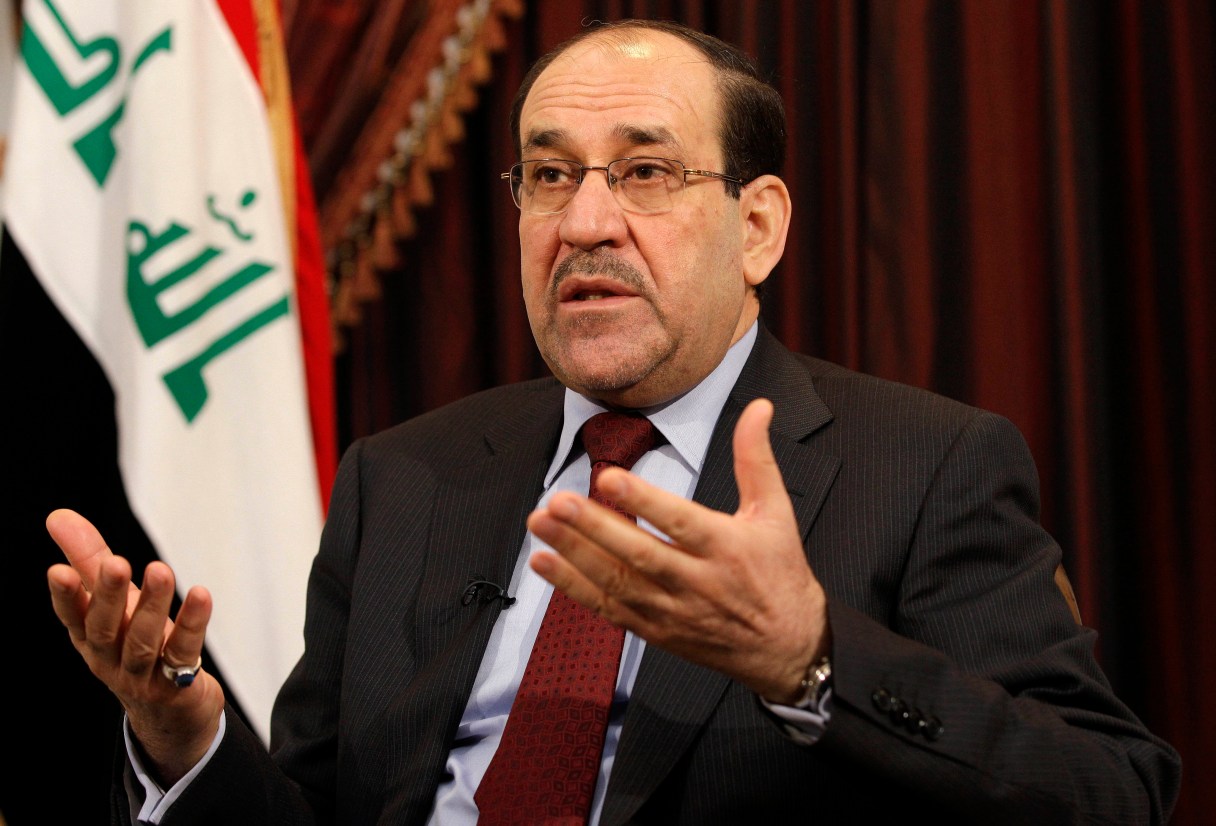
FILE - This Dec. 3, 2011 file photo shows Iraq's Shiite Prime Minister Nouri al-Maliki talks during an interview with The Associated Press in Baghdad, Iraq. The prospect of the U.S. military returning to the fight in Iraq has turned congressional hawks into doves. Lawmakers who eagerly voted to authorize military force 12 years ago to oust Saddam Hussein and destroy weapons of mass destruction that were never found now harbor doubts that air strikes will turn back insurgents threatening Prime Minister Nouri al-Maliki's government and Baghdad. (AP Photo/Hadi Mizban, File)

BAGHDAD (AP) – Iraq’s Shiite prime minister, embattled by the militant offensive sweeping his country’s north, faces a growing campaign to force him out of office as insurgents press on with their campaign.

Nouri al-Maliki, who rose from relative obscurity to the country’s top political office in 2006, has seen his credibility challenged by the Sunni militants of the al-Qaida-inspired Islamic State of Iraq and the Levant. The insurgents launched a stunning offensive last week that swallowed up a large chunk of northern Iraq, together with the nation’s second-largest city, Mosul.

With the country now in turmoil, al-Maliki’s rivals have mounted a campaign to force him out of office, with some angling for support from Western backers and regional heavyweights. On Thursday, their effort received a massive boost from President Barack Obama.

The U.S. leader stopped short of calling for Nouri al-Maliki to resign, saying “it’s not our job to choose Iraq’s leaders.” But, his carefully worded comments did all but that.

“Only leaders that can govern with an inclusive agenda are going to be able to truly bring the Iraqi people together and help them through this crisis,” Obama declared at the White House.