
Monday, November 16, 2026Nov 16

Q&A: What are the signs of a ‘bear market’ for stocks

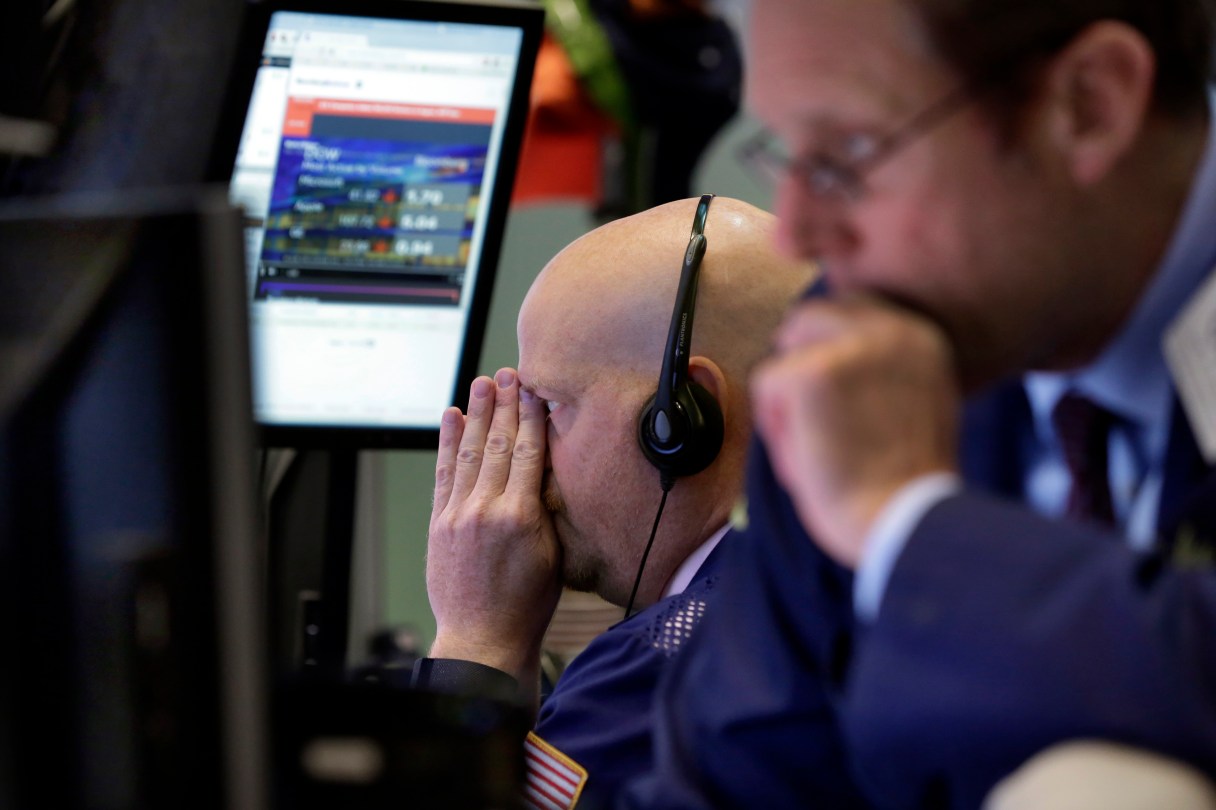
Trader Steven Gohl, left, works on the floor of the New York Stock Exchange, Wednesday, Sept. 2, 2015. U.S. and global stock markets were recovering in early morning trading Wednesday after a sharp sell-off a day earlier. Still, investors remain on edge after a plunge in stocks Tuesday that was triggered by reports showing slowing growth in China. (AP Photo/Richard Drew)

The stock market’s sharp downturn in recent weeks has pulled the three major U.S. stock indexes into what is known as a “correction.” But when does a market correction effectively end a bull market and usher in a full-blown bear market?

Here are some common questions asked about bear markets, corrections and what they mean to average investors:

___

HOW IS A BEAR MARKET DIFFERENT FROM A MARKET CORRECTION?

A correction is a Wall Street term for when an index like the Standard & Poor’s 500, the Dow Jones industrial average, or even an individual stock, falls 10 percent or more from a recent high. A bear market occurs when the index or stock falls 20 percent or more from the peak.