
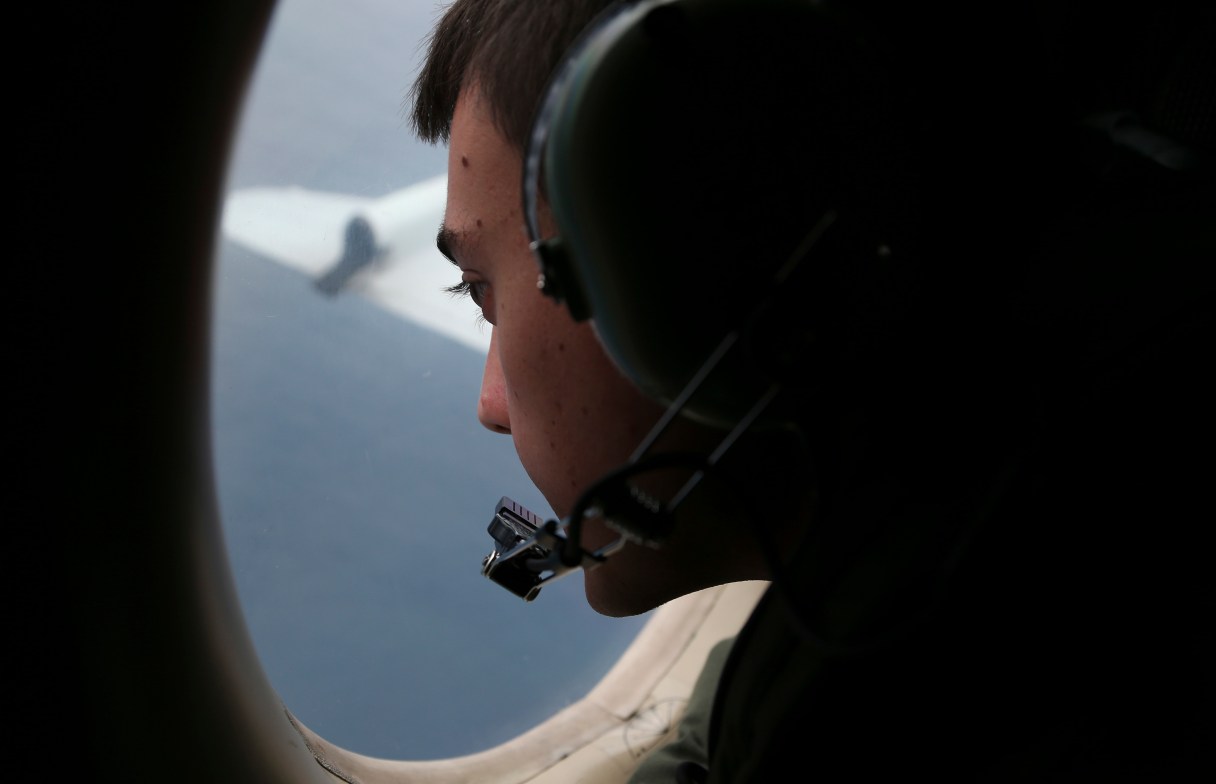
HONG KONG (AP) – As investigators prepare to wind down the Malaysia Airlines Flight MH370 search after more than two fruitless years, the airline industry is still working to raise safety standards to prevent another plane from going missing.
The disappearance of the Boeing 777-200, which went missing March 8, 2014 with 239 people aboard, left families of the crew and passengers in limbo. The unsolved mystery also spurred airlines and aircraft makers to devise better ways to track flights, locate wreckage and retrieve data from flight data recorders, or “black boxes.”
Authorities said Friday that they’ll suspend the hunt after they finish scouring more than 100,000 square kilometers (38,610 square miles) of seabed in the Indian Ocean later this year.
Earlier this year, the International Civil Aviation Organization, spurred by MH370, moved to tighten up safety standards.
ICAO, a United Nations agency that sets global aviation standards, approved a requirement for all airlines flying over open ocean to report their position every 15 minutes, which will take effect November 2018. Until now, pilots have typically done this every half hour.