
Friday, October 30, 2026Oct 30

This story is free to read.

Thomas: Where’s the beef?

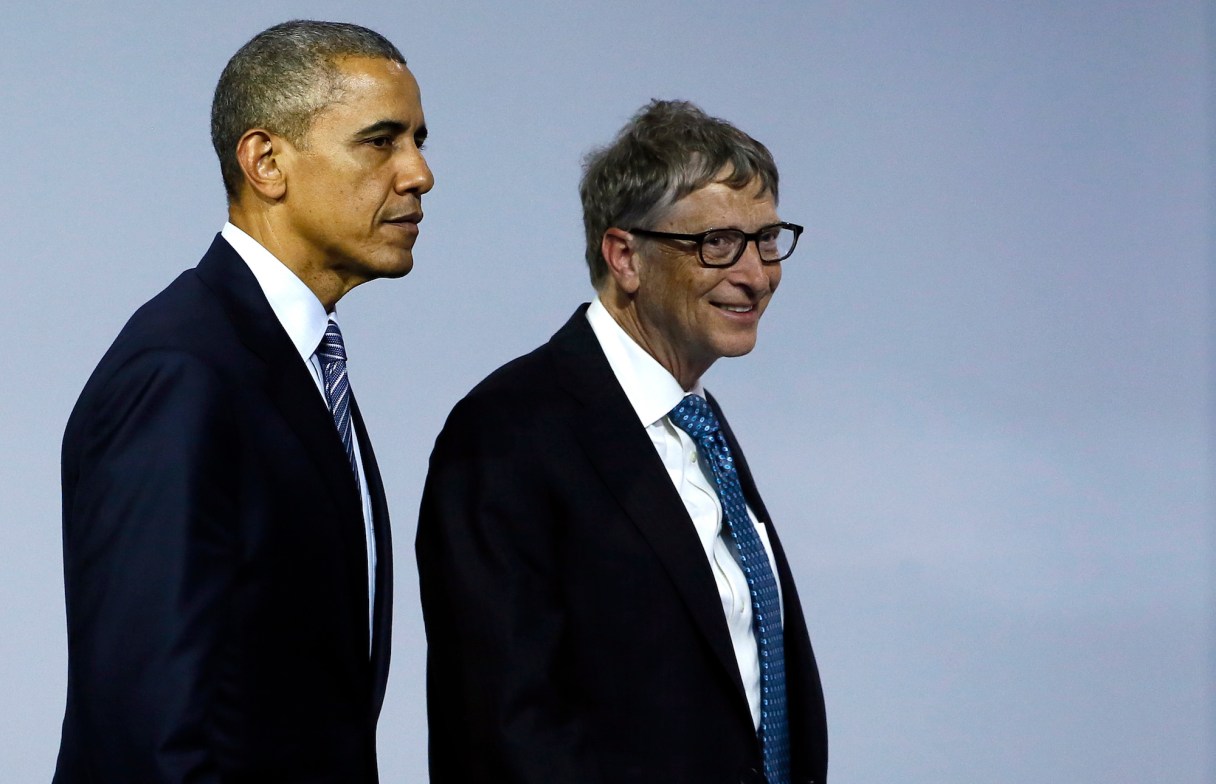
File photo by Ian Langsdon, Pool, via The Associated Press / U.S. President Barack Obama, left, and Microsoft CEO Bill Gates leave after attending the "Mission Innovation: Accelerating the Clean Energy Revolution" meeting at the COP2, United Nations Climate Change Conference in Le Bourget, north of Paris on Monday, Nov. 30 2015.
File photo by Ian Langsdon, Pool, via The Associated Press / U.S. President Barack Obama, left, and Microsoft CEO Bill Gates leave after attending the "Mission Innovation: Accelerating the Clean Energy Revolution" meeting at the COP2, United Nations Climate Change Conference in Le Bourget, north of Paris on Monday, Nov. 30 2015. File photo by Ian Langsdon, Pool, via The Associated Press / U.S. President Barack Obama, left, and Microsoft CEO Bill Gates leave after attending the "Mission Innovation: Accelerating the Clean Energy Revolution" meeting at the COP2, United Nations Climate Change Conference in Le Bourget, north of Paris on Monday, Nov. 30 2015.

What is it about people who are successful in one field and believe that gives them credence to serve as an expert in a totally unrelated field?

Bill Gates, the founder of Microsoft and reportedly the fourth richest person on the planet, now self-identifies as a climate expert, and not only an expert, but a fervent disciple of the latest religion for the non-religious, which would be “climate change.”

In a new book, “How to Avoid a Climate Disaster,” Gates takes the rhetoric to a new and hysterical level when he claims the battle against changing climate is “an all-out effort, like a world war, but it’s us against greenhouse gases.”

As all statists do, he urges “regulation to force people to eat synthetic meat.”

Gates invests in a synthetic meat company called Beyond Burgers. Anyone else see a potential conflict of interest? He’s not alone. Al Gore, the original “Chicken Little” of climate panic, has lobbied for climate policies that limit meat while his firm invests $200 million in meat substitutes.