
Tuesday, November 17, 2026Nov 17

US twice tried to deport man killed by police in California

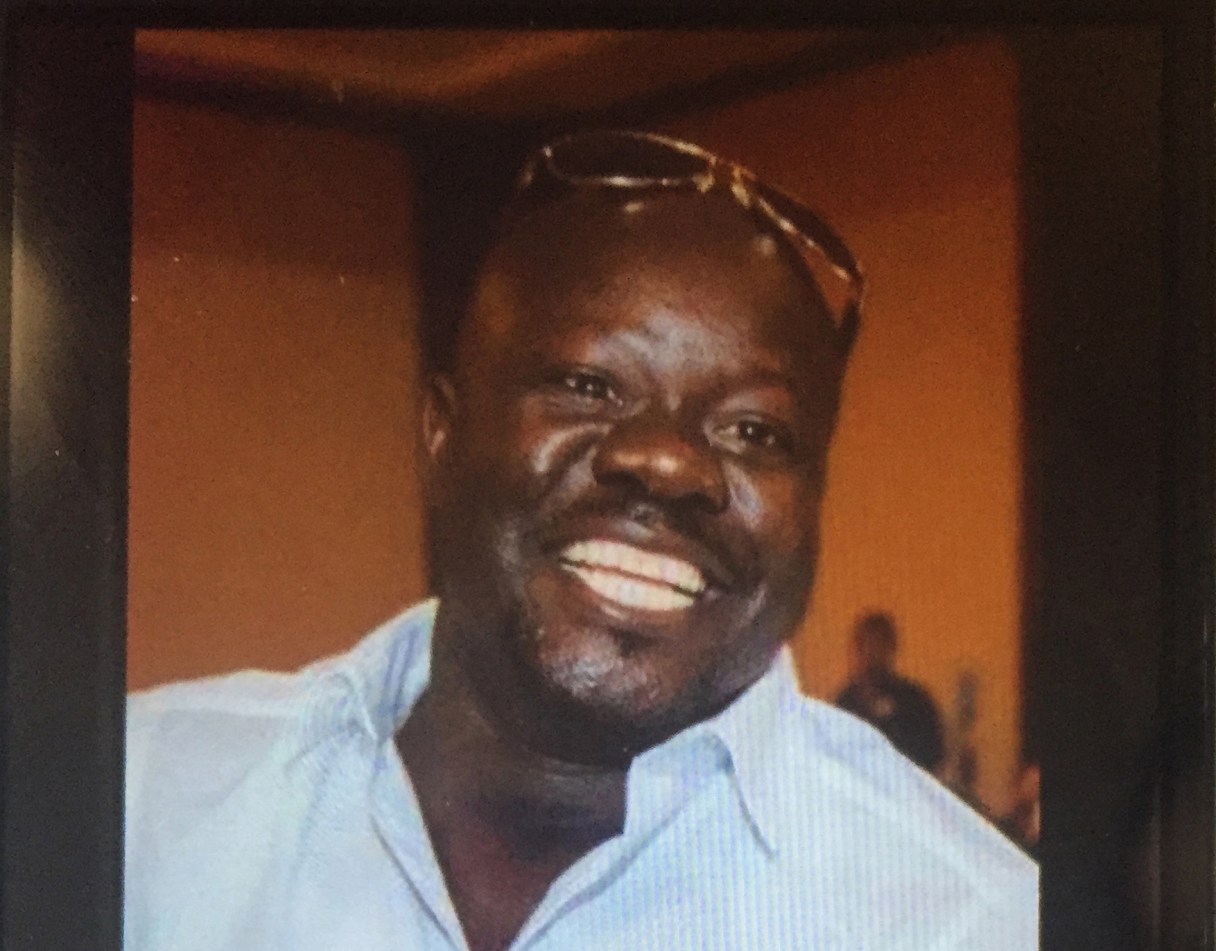
This undated cellphone photo released by Dan Gilleon, the attorney for the family of Alfred Olango, shows Alfred Olango, the Ugandan refugee killed Tuesday, Sept. 27, 2016, in El Cajon, Calif. The fatal police shooting of Olango, who drew something from his pocket and extended his hands in a "shooting stance" happened about a minute after officers in a San Diego suburb arrived at the scene where a mentally unstable man was reportedly walking in traffic, a police spokesman said Wednesday. (Olango Family via AP)

SAN DIEGO (AP) – U.S. authorities twice tried to deport a black man who was fatally shot by police in a San Diego suburb this week but his native Uganda refused to take him.

Then last year, he stopped reporting to immigration authorities as required under terms of his freedom and it’s unclear whether the government made any attempt to find him.

An explanation for why Alfred Olango remained in the country lies in a 2001 U.S. Supreme Court ruling that generally prohibits the detention of foreign nationals for more than six months if deportation is unlikely.

The nation’s highest court said in the 5-4 decision that holding people indefinitely only because no country will take them violates the constitutional right to due process.

Some of the thousands of immigrants who have been released after being ordered deported went on to commit crimes, making the Zadvydas vs. Davis decision a lightning rod for critics who say it illustrates a broken system.