
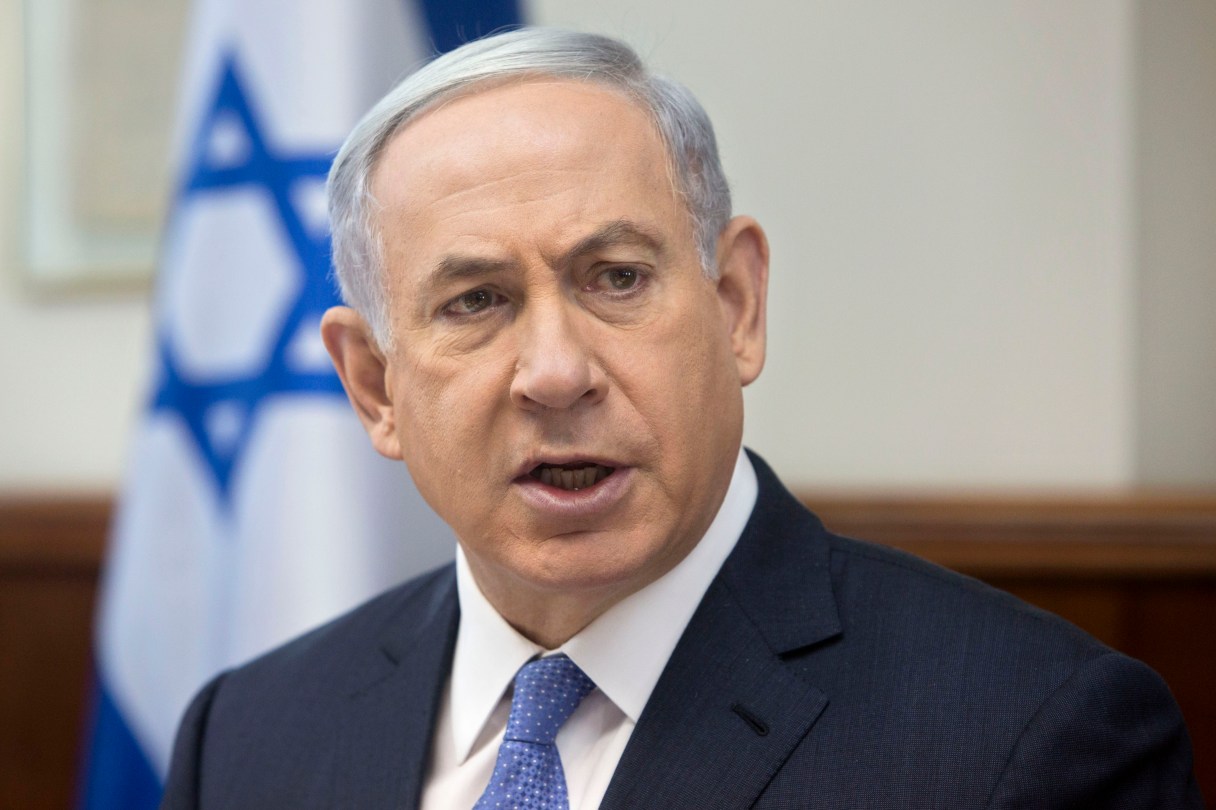
JERUSALEM (AP) – At first glance, one might think Israelis are solidly behind Prime Minister Benjamin Netanyahu’s all-out diplomatic war against the U.S.-led nuclear deal with Iran. But look closer and deep fissures appear: There is angst over what some see as a reckless diplomatic adventure that pits Israel against its indispensable backer.
Most Israelis seem to agree that a better bargain could have been squeezed out of the Islamic Republic, their country’s top nemesis. They don’t like Iran’s ability to delay inspections in some locations; the speed with which sanctions will come off; or the prospect that Iran will soon have tens of billions of dollars in unfrozen funds, greatly enhancing its ability to foment regional mischief and unrest.
But many also are concluding that with the agreement all but wrapped up, it is time to give up the fight and adjust to the new reality, most critically by repairing a tattered relationship with the White House. Some voices even believe the deal is acceptable, or at least that it is worth testing the theory that the agreement will help moderate Iran.
After the deal was signed by Iran and six global powers last month in Vienna, Netanyahu’s government has been furiously lobbying U.S. lawmakers, holding out hope Congress will vote against it by a strong enough margin to override any presidential veto. The U.S. Senate Majority Leader, Mitch McConnell, said this week that the odds of this happening are slim. In the process, President Barack Obama has publicly bristled at Israeli lobbying.
In the seemingly unlikely event that Netanyahu prevails, many ask: What then? Other nations would still remove the sanctions, leaving the U.S. and Israel alone. Iran, freed of the shackles of the deal, would be free to proceed to a nuclear weapon.