
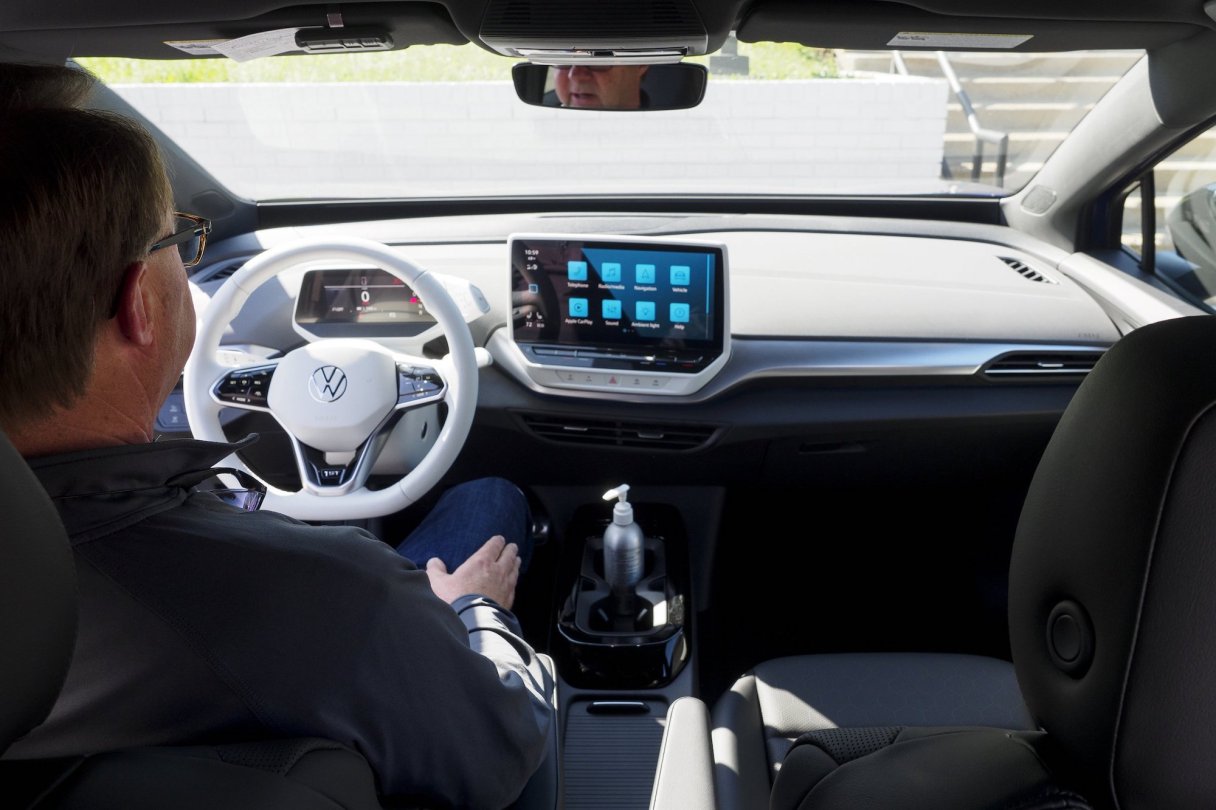
An electric trickle is turning into a flood: As many as 100 new electric vehicle models are coming to showrooms by 2025. Heavyweights including Volkswagen, General Motors and Ford are floating promises of all- electric lineups within a decade.
The end times of gasoline can almost seem a fait accompli, except for one pesky issue: Even given Tesla’s strides, we are still waiting for the first genuine EV sales hit, let alone a mass exodus from unleaded.
In 2014, Nissan sold a mere 30,200 Leafs, and that is still the U.S. record for any non-Tesla model. Ford routinely sells more than 800,000 F-Series pickups. A single gasoline SUV, the Toyota RAV4, finds well over 400,000 annual buyers, compared with roughly 250,000 sales last year for all EVs combined – 200,000 of which were Teslas.
Automakers insist we are “this close” to a tipping point. EV market share is expected to grow to as much as 50% by 2032, from just 1.7% last year, said Scott Keogh, president and chief executive of Volkswagen of America. While Tesla captured 80% of the U.S. market for electric vehicles in 2020, VW and other global giants – with war chests built on internal-combustion engines and unmatched scale and manufacturing know-how – are well positioned to take a piece of Tesla’s pie.
“There’s never been a competitive consumer product that sits at 80% market share” for long, Keogh said.