
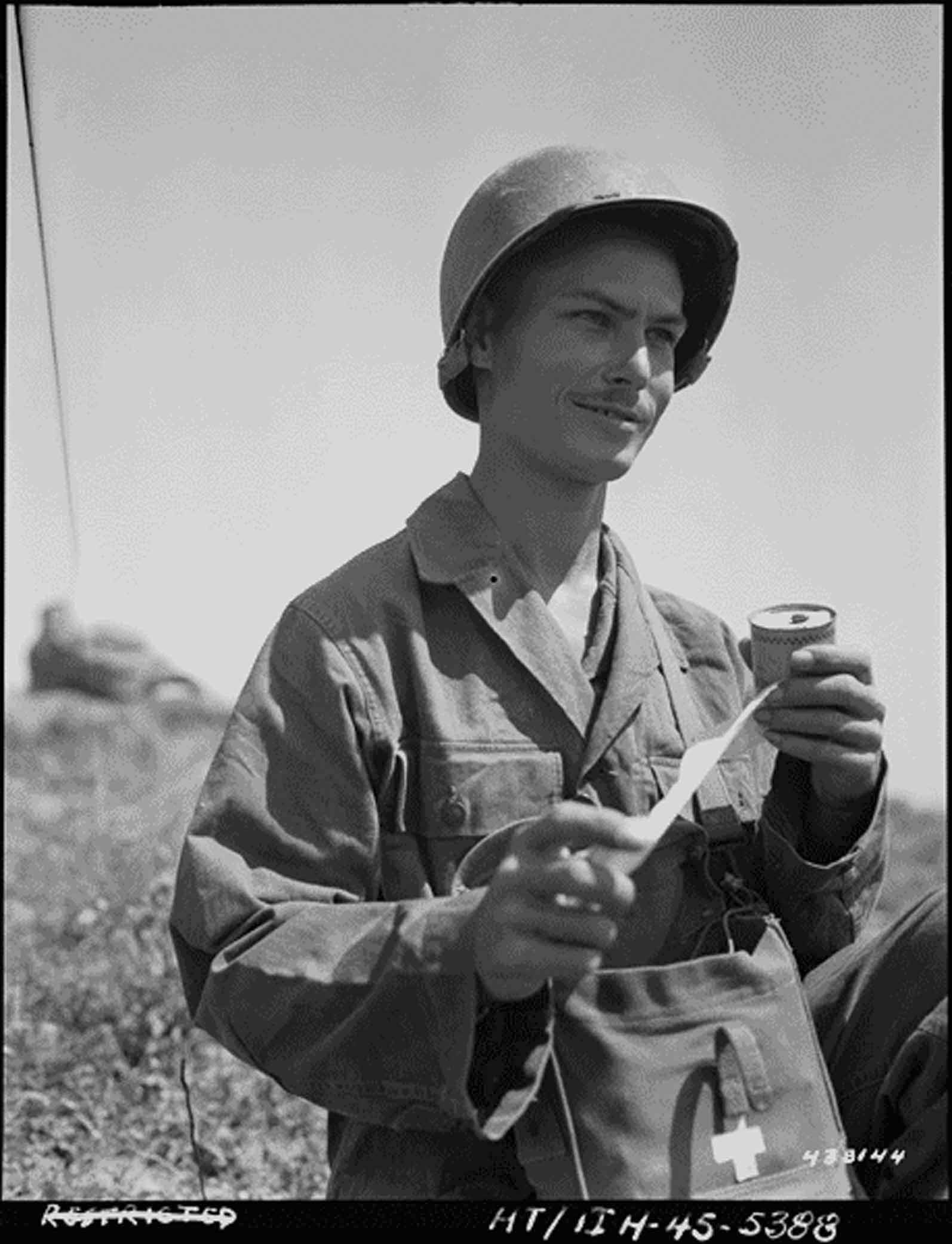
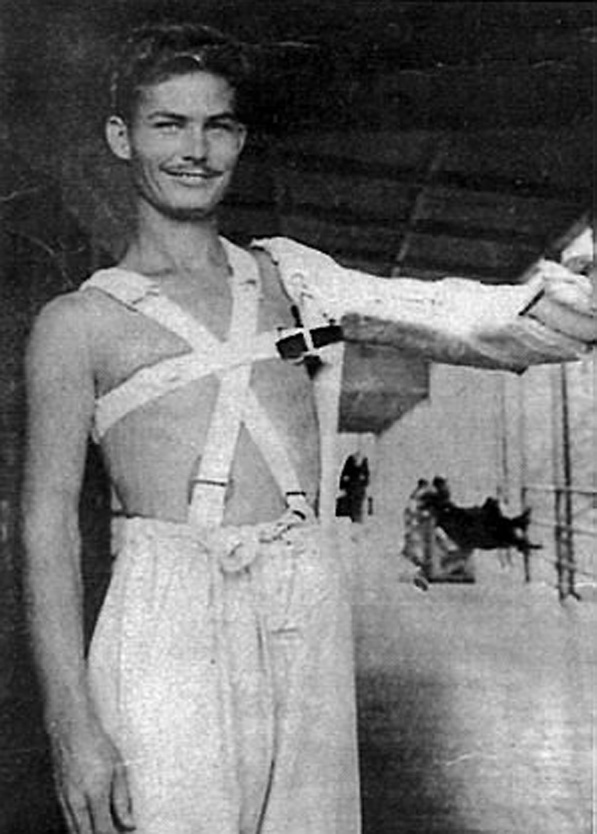
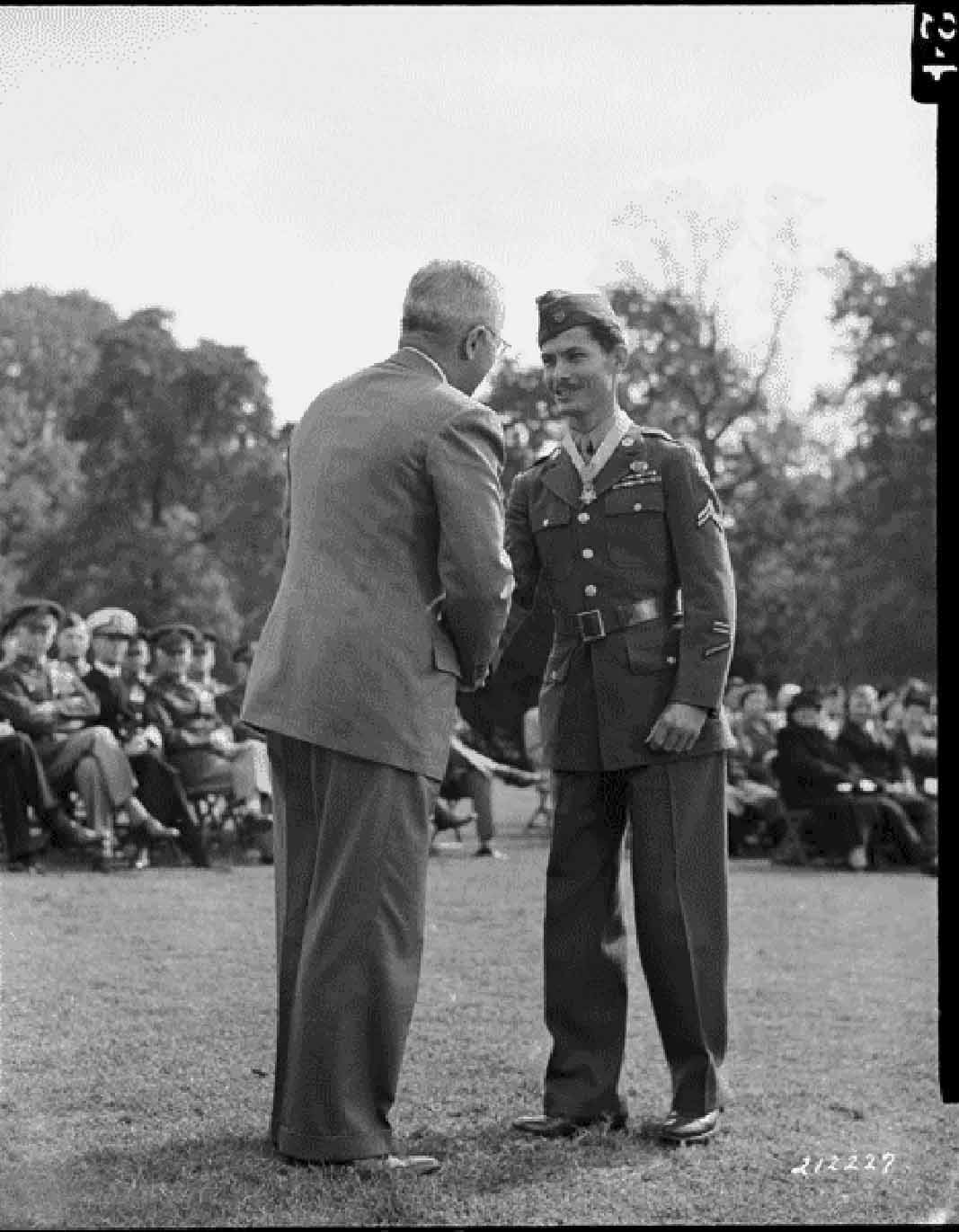
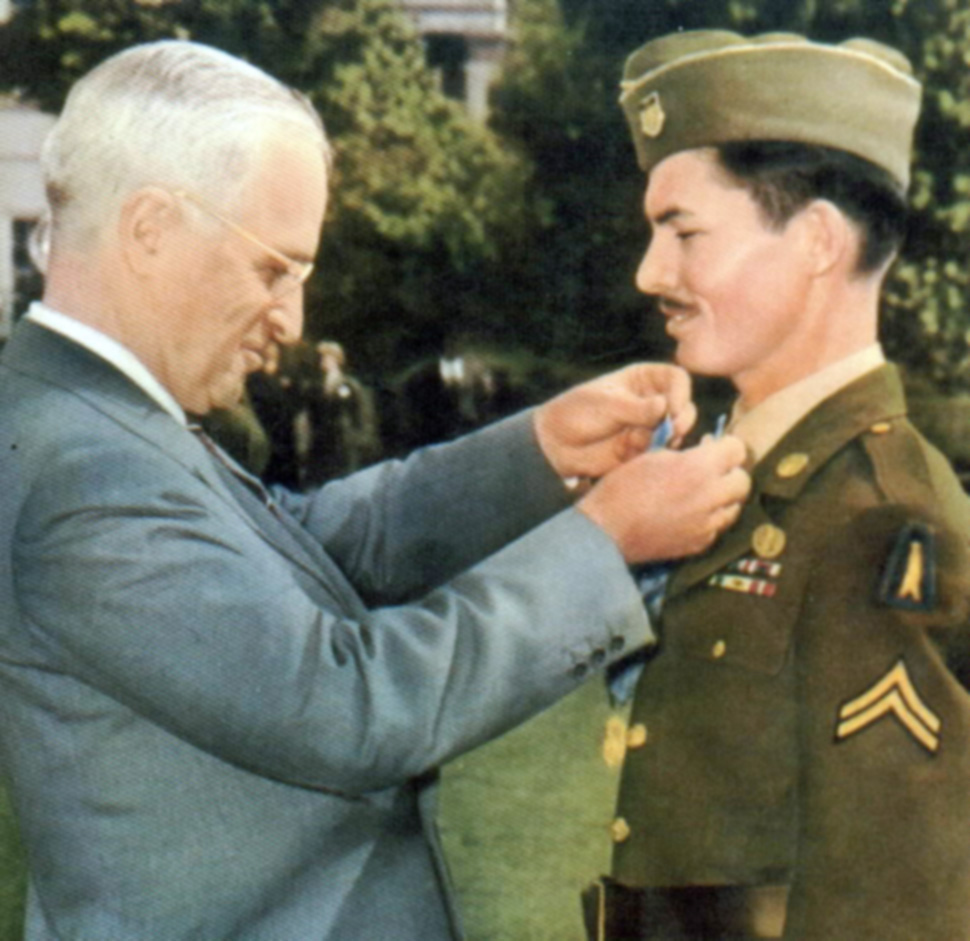
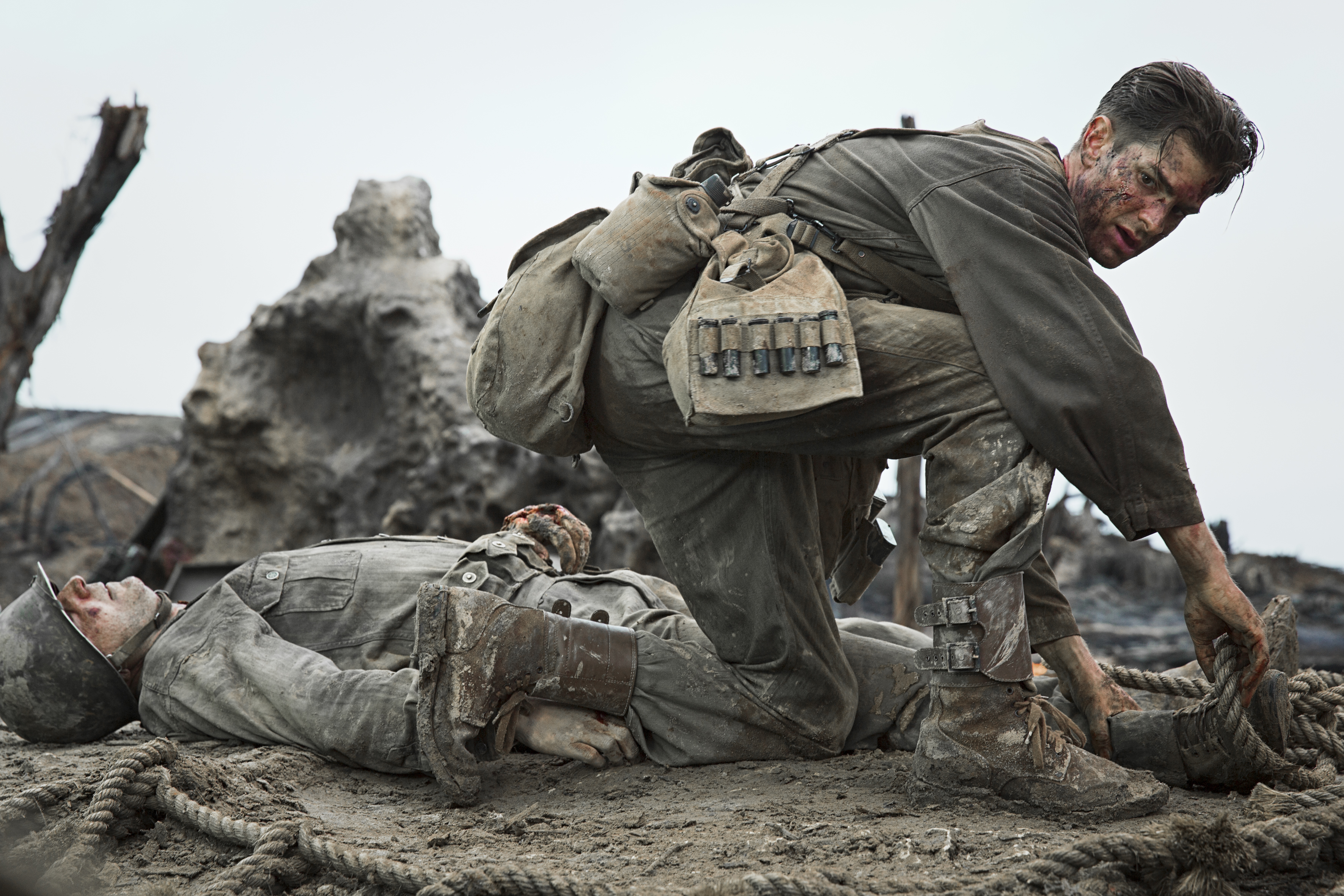
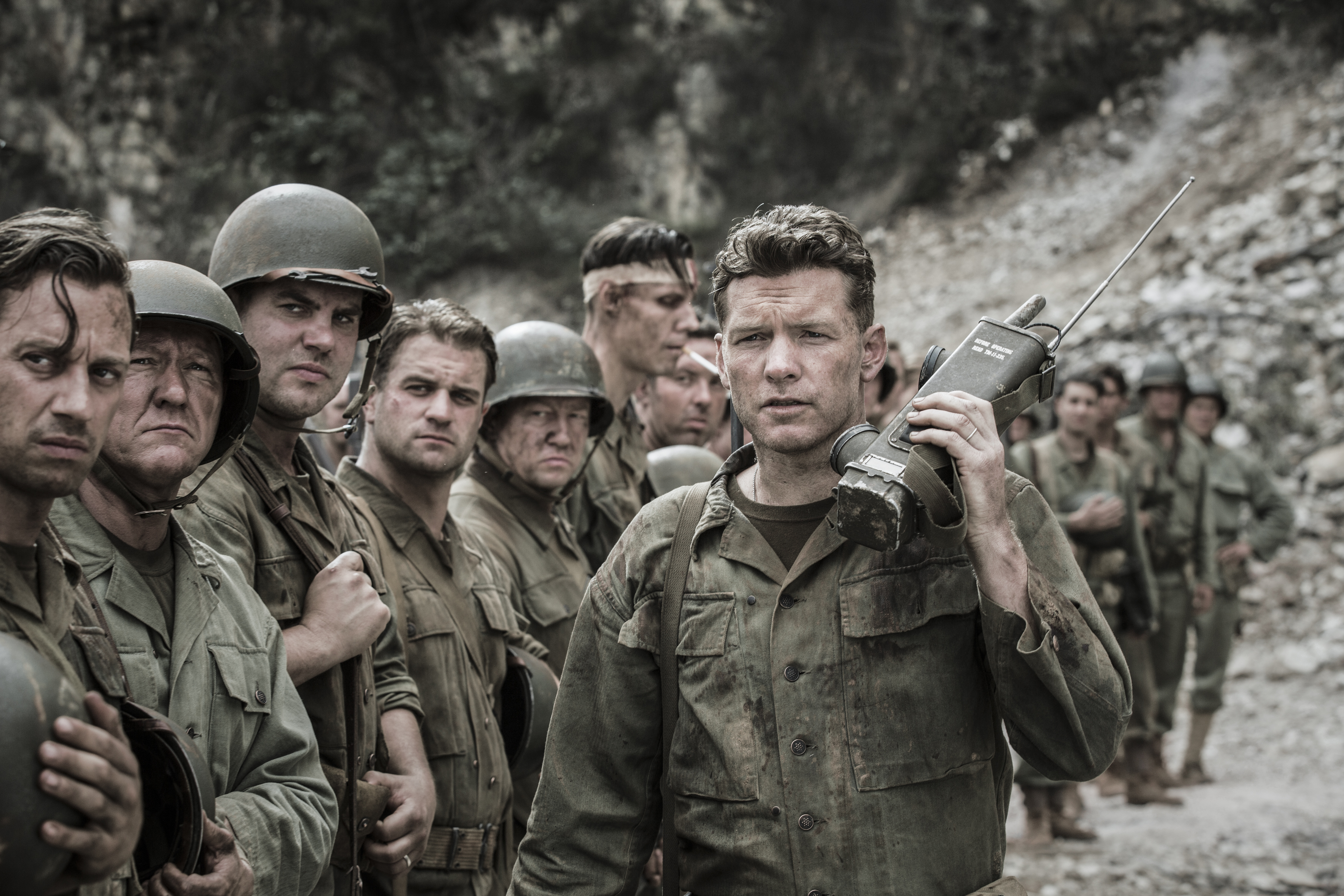
The true story of an Army medic who singularly saves 75 soldiers in one bloody, 12-hour stretch does not need a lot of embellishment in a movie.
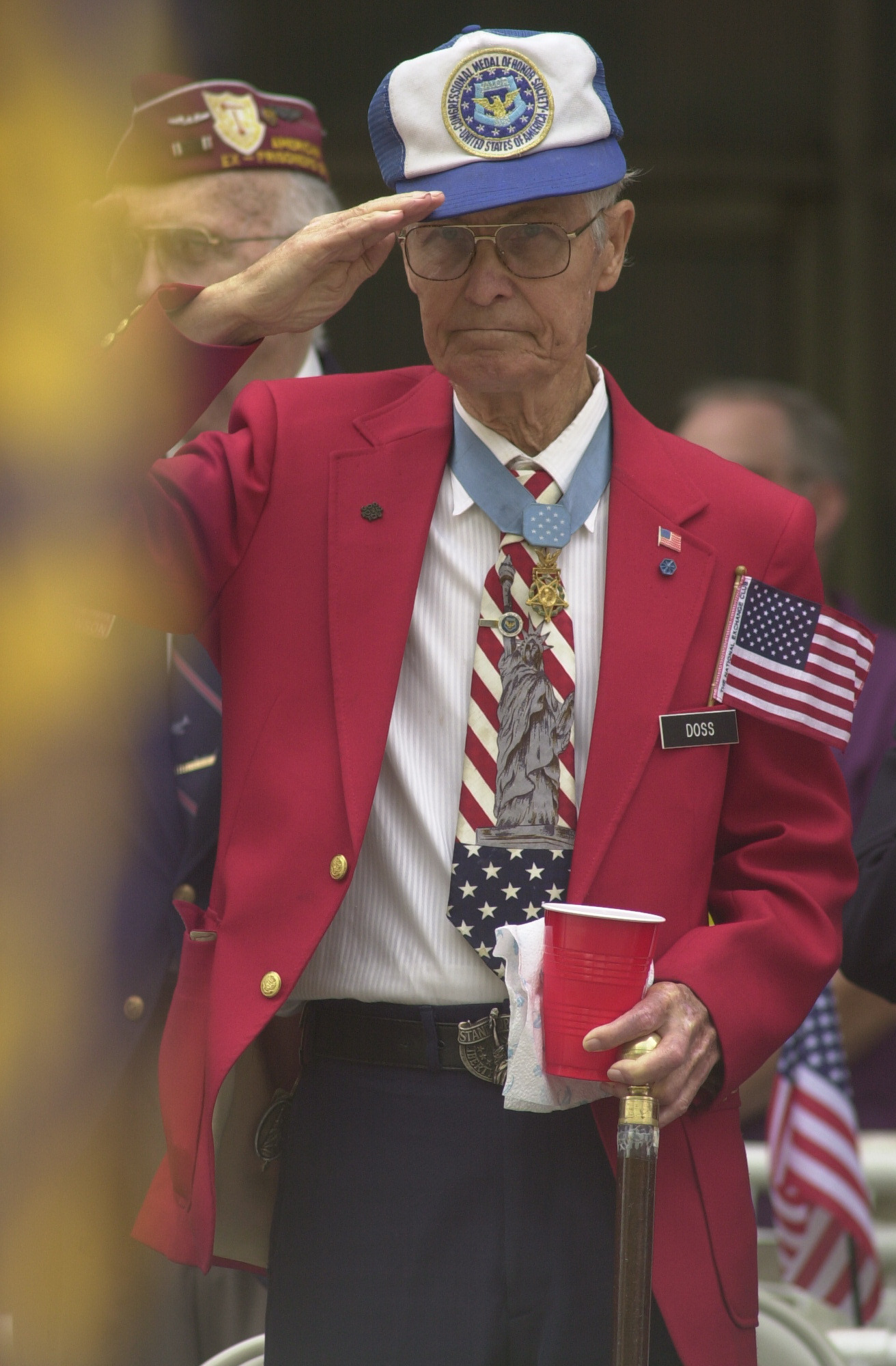
What Desmond Doss did on Okinawa in World War II is a miracle of unyielding faith, breathtaking courage and just plain luck. It’s even more remarkable because Doss was a devoutly religious conscientious objector who wouldn’t even touch a gun; yet he dragged, carried and supported soldiers across a wasteland of mutilated bodies and flying bullets. Even while in the U.S., he faced ridicule, hatred, retaliation and criminal charges for his objector beliefs but wouldn’t abandon them.
Just follow the truth and you’ve nailed a film.
Director Mel Gibson, in his first movie in 10 years, mostly stays on path in “Hacksaw Ridge,” with its dueling elements of pacifism and violence. But his obvious – and deserved – respect for Doss bogs the story down. Subtlety has never been part of Gibson’s vocabulary and that should work in “Hacksaw Ridge,” which is something of a throwback to simpler films of the past. But his brick-to-the-head filmmaking – he actually has a brick-to-the-head scene in the movie – is a nuance-free approach that can be hamhanded.
That’s especially true when he tries to be symbolic. The final shot in the film (not counting a brief finale that interviews the real Desmond Doss and others) is so over-the-top and obvious it comes off as amateurish.
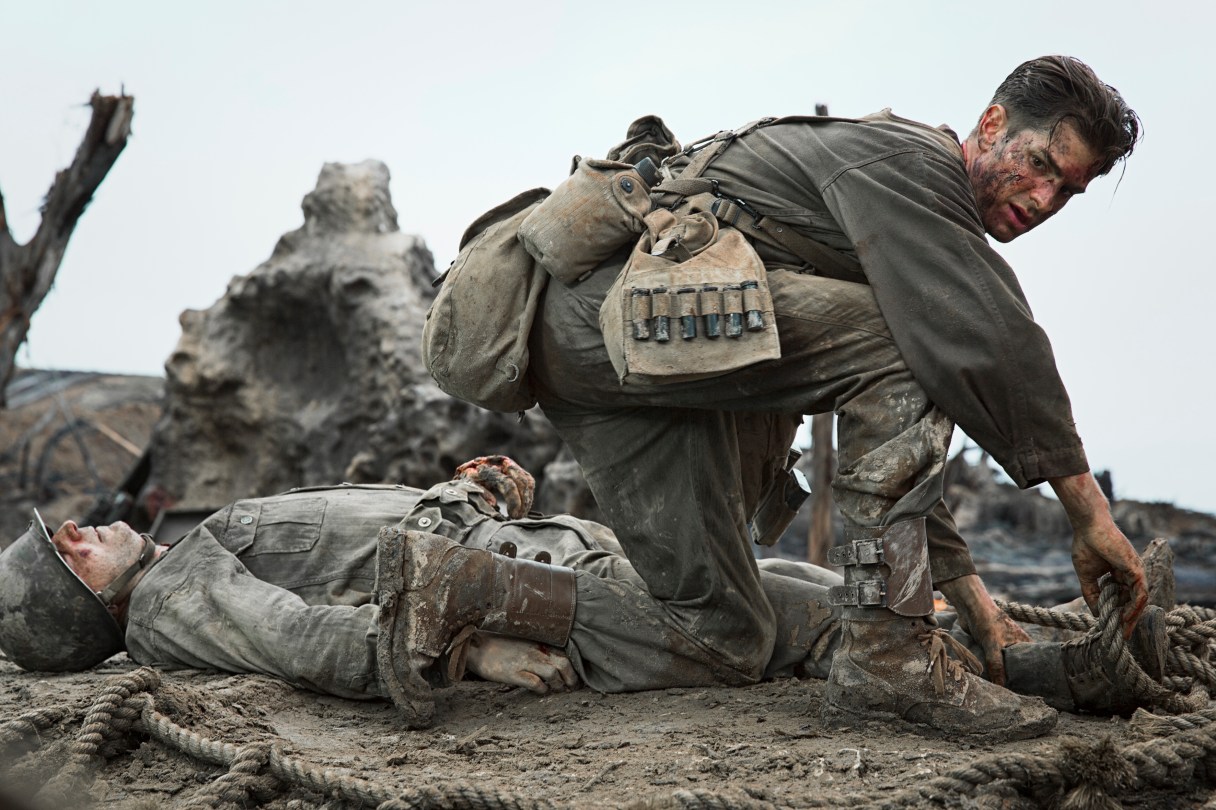
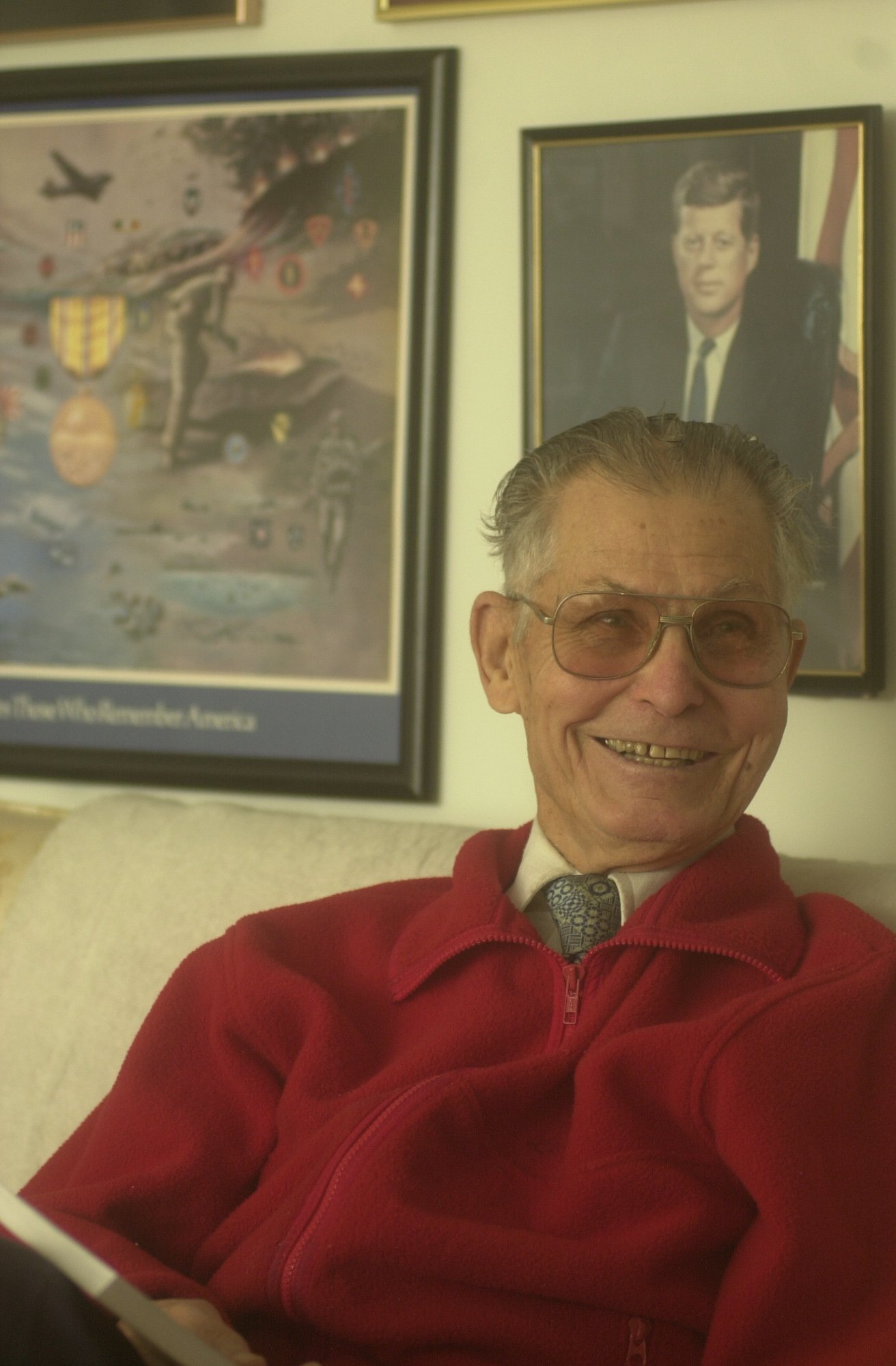
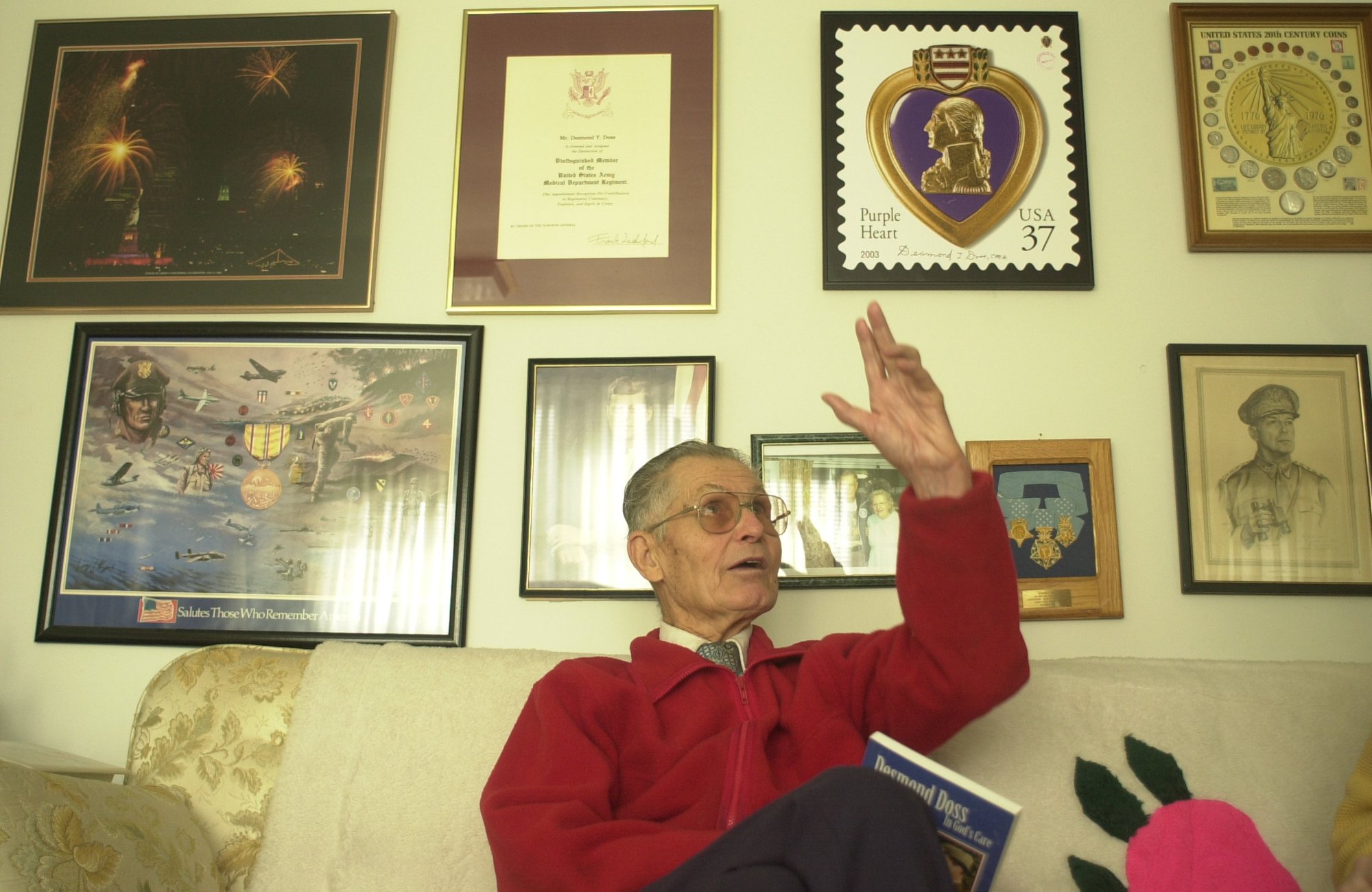
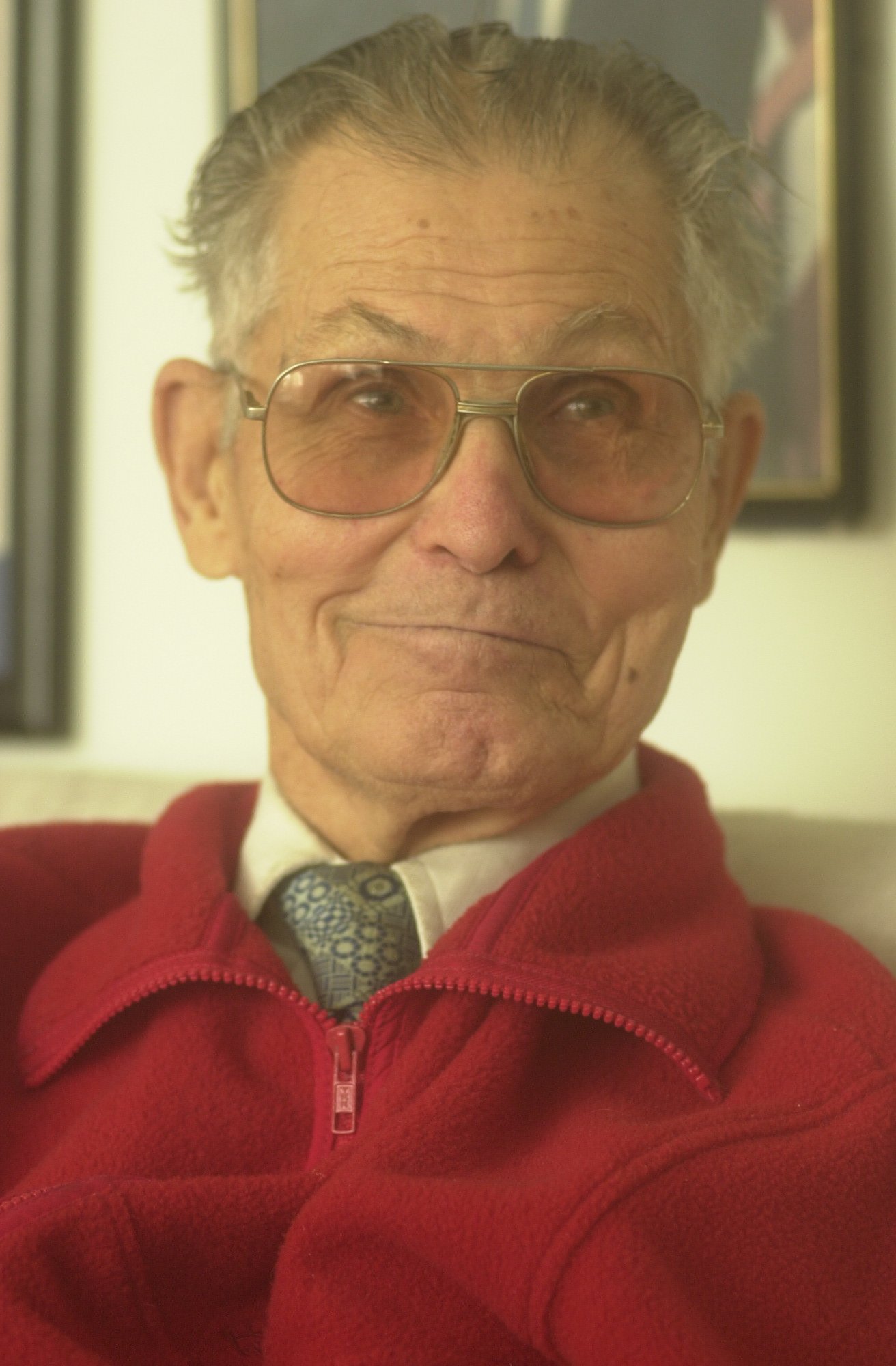
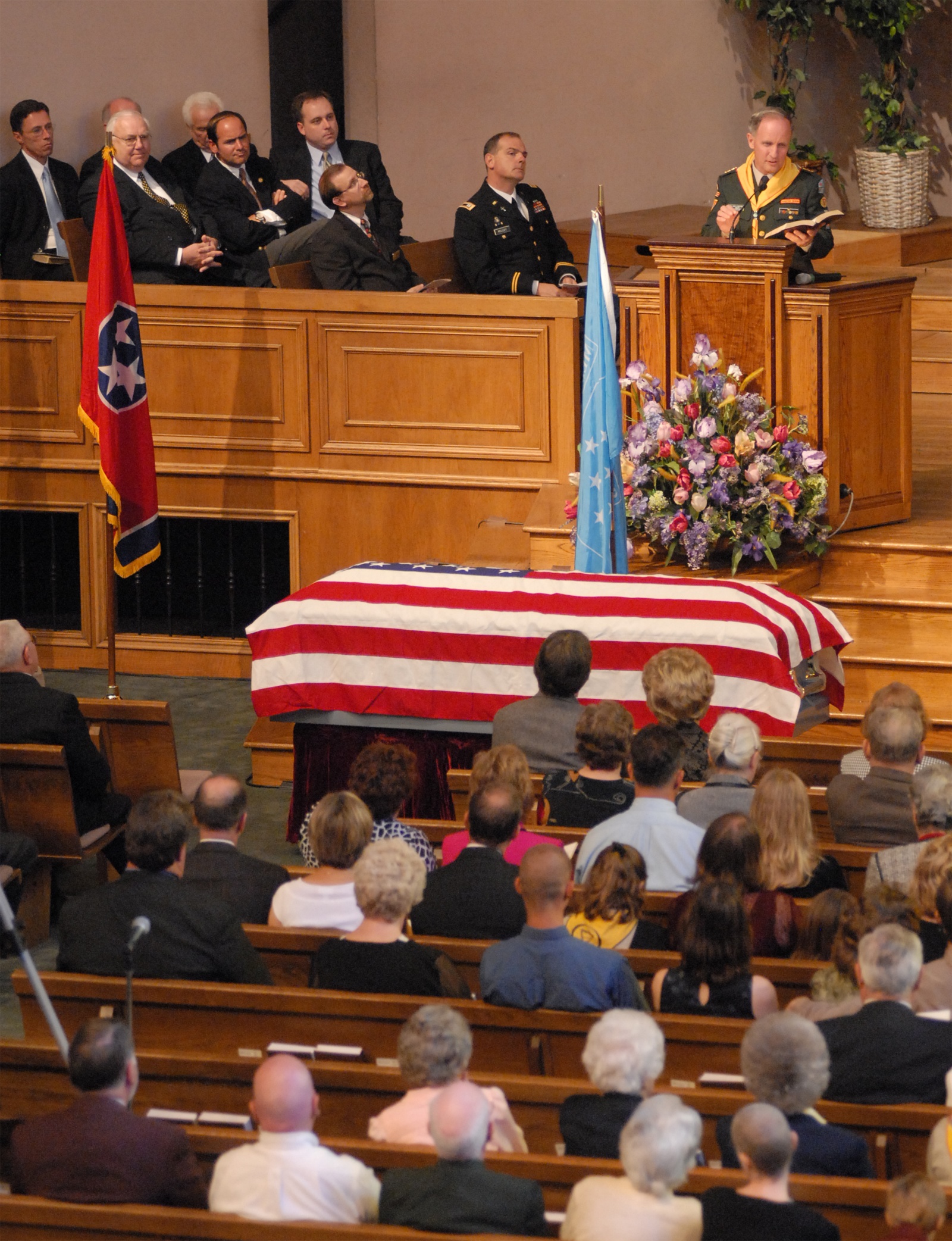
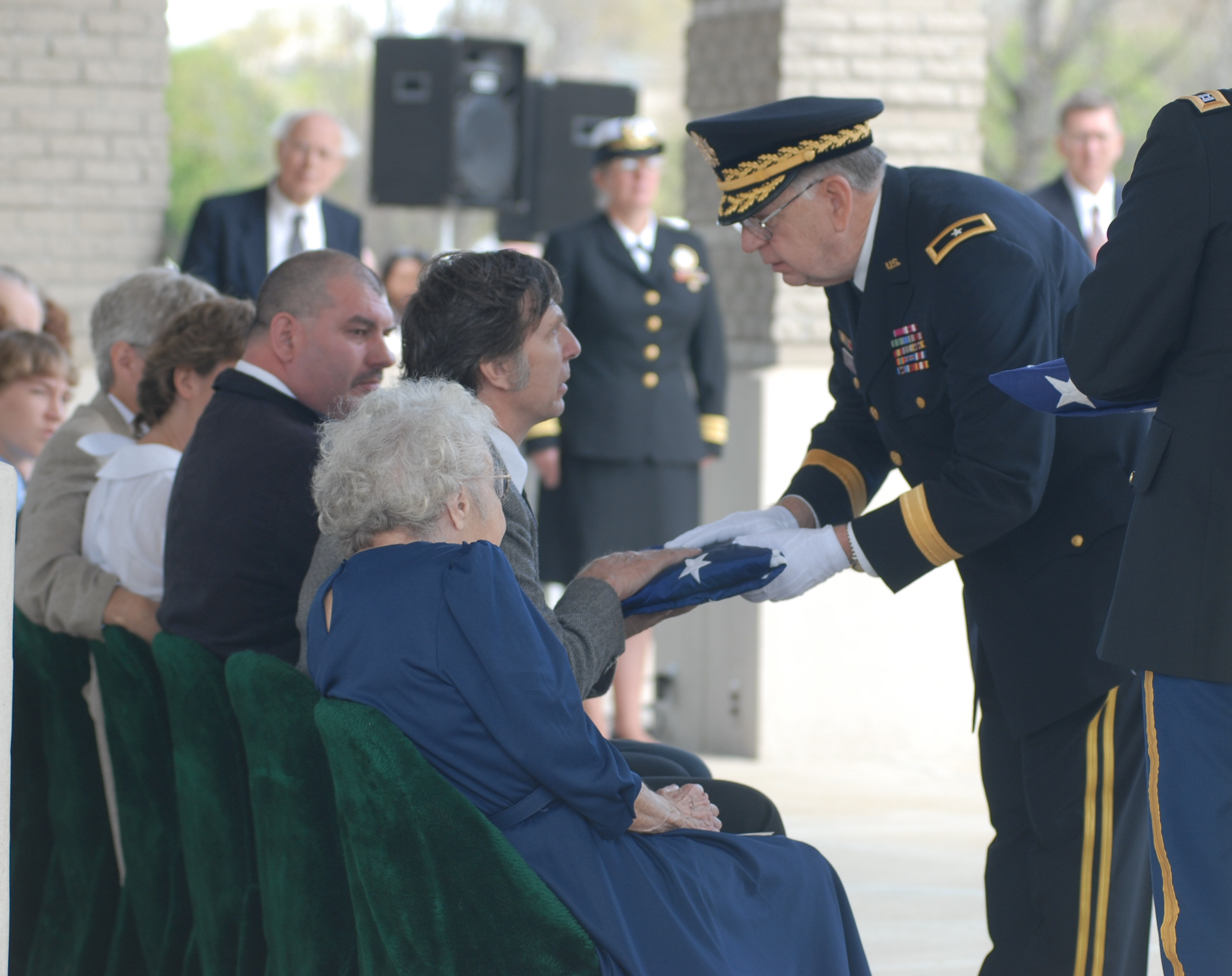
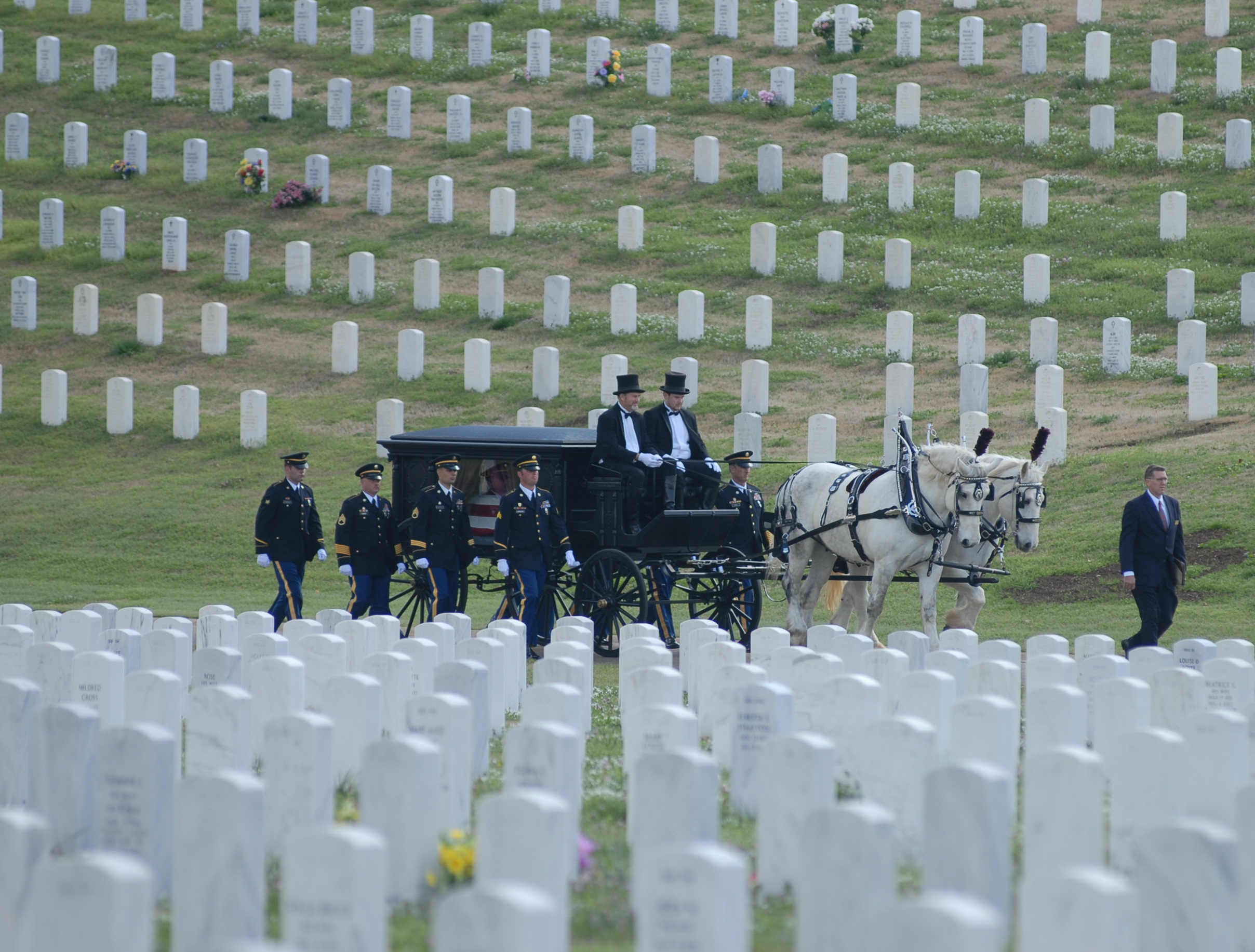
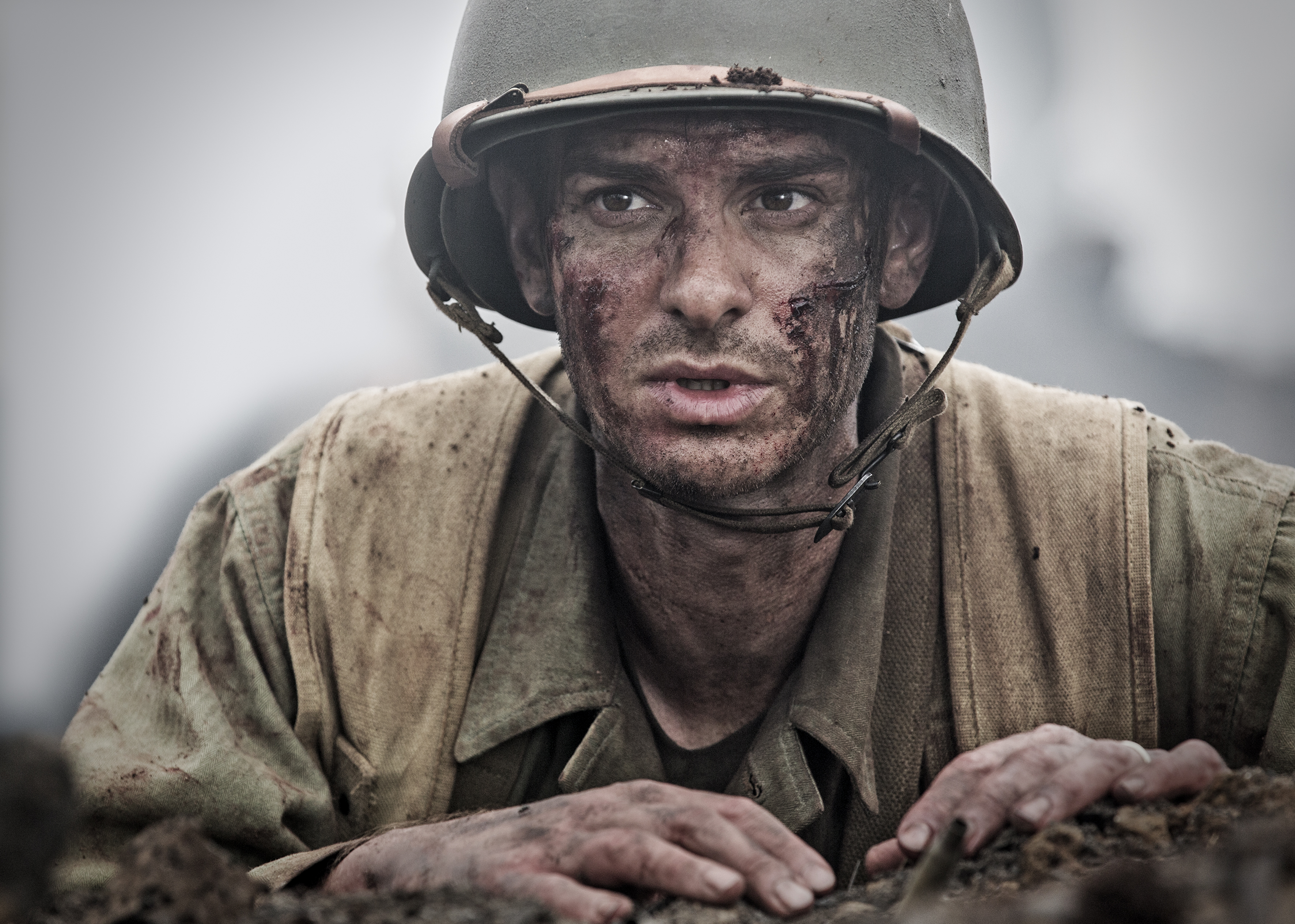
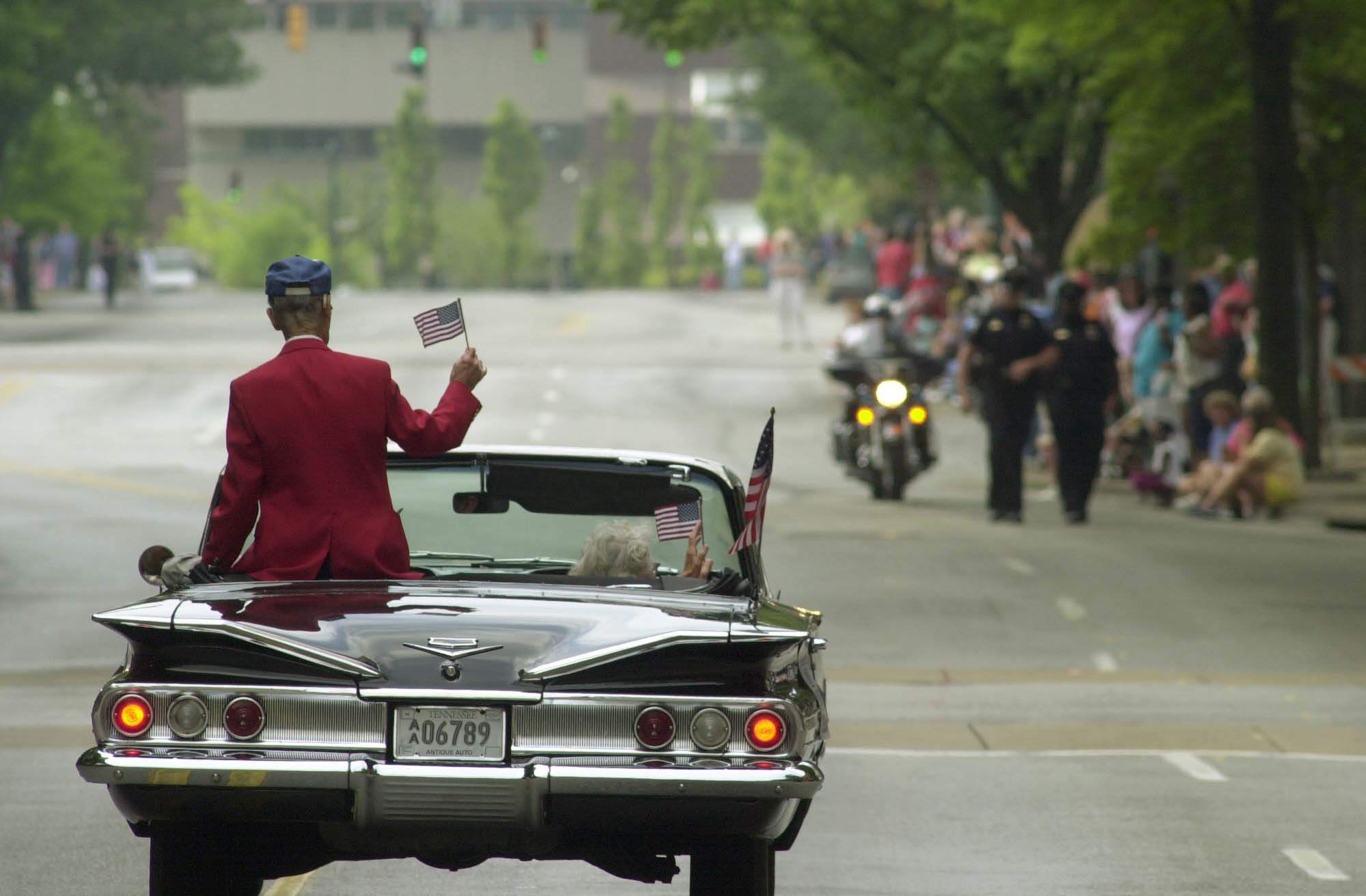
The first half of the movie (it seems longer) follows the life of Doss, who lived in Chattanooga from 1951 until his death in 2006, although that’s never mentioned in the film. Played by Andrew Garfield, who hides his Britishness with an accurate Southern Appalachia accent, Doss makes the personal journey from Virginia rube to bewildered-yet-steadfast conscientious objector unwavering in his belief that he still can make a difference, to Medal of Honor winner for bravery in combat.
But in delivering that story, Gibson sometimes treads the same waters over and over. Yes, we understand that Doss, a Seventh-day Adventist, truly believes God does not want him to kill anyone, but the point is driven home over and over until you want to say “OK, we get it, let’s move on.” And, as the repetition of his beliefs continues, Doss seems more stubborn than sanctified. (There are so many shots of Doss’ eyes, you wonder if he was getting a vision test.)
A side story about the courtship between Doss and his first wife, Dorothy, apparently an attempt to give the film some emotional depth, is a serious distraction that should’ve been cut significantly.
The last portion of the movie, which takes place on Okinawa, confidently and dramatically makes the case that Doss deserved the Medal of Honor and brings a true sense of the dangers and chaos of war. But it’s nothing we haven’t seen before in films like “Saving Private Ryan.” And again, repetition sets in; the film cuts away from the battle on several occasions but, when it returns, we’re subjected to the same visual barrage of exploding heads, bullet-ridden bodies, explosions and screaming men. Only Doss’ unimaginable bravery in the face of such carnage carries these scenes beyond their familiarity.
And yes, the battle is bloody; Gibson has never met a death he didn’t want to film in blood-arcing, body-flying glory. But to be fair, the violence here is far less graphic than his “The Passion of the Christ.”
There has been discussion that “Hacksaw Ridge” and its overall reverential and faith-based tone is Gibson’s personal attempt at atonement and redemption for the drunken, racist rants of his past. Perhaps. A movie about an undeniable hero could be a way to get back in good graces. But that’s probably reading more into the movie than is actually there.
In its simplest form, what Gibson has done is take his Oscar-winning “Braveheart” and move it forward about 650 years; it’s the same basic story of a brave man who must fight a world standing against him in order to achieve a higher purpose.
Contact staff writer Shawn Ryan at sryan@timesfreepress.com or 423-757-6327.