
Monday, November 16, 2026Nov 16

Saudi Arabia’s top cleric says Iran’s leaders ‘not Muslims’

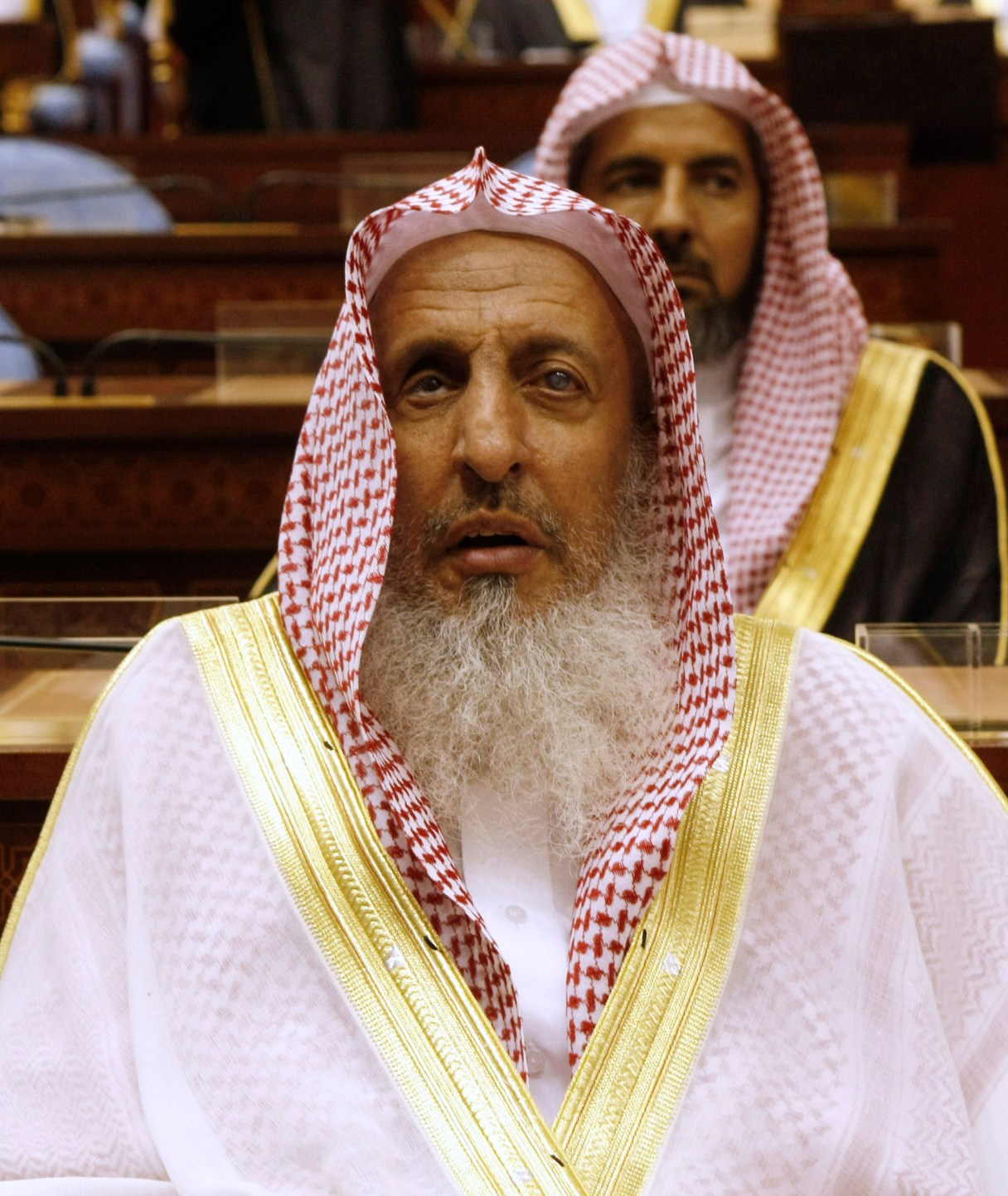
FILE - In this Tuesday, March 24, 2009 file photo, Sheikh Abdul Aziz al-Sheikh, the Saudi grand mufti listens to a speech of King Abdullah of Saudi Arabia at the Consultative Council in Riyadh, Saudi Arabia. Saudi Arabia's top cleric has said that Iranians are "not Muslims," adding fuel to a spat between the two regional powers a day after Iran's supreme leader accused the kingdom of mistreating pilgrims injured during last year's Hajj stampede. (AP Photo/Hassan Ammar, File)

RIYADH, Saudi Arabia (AP) – Saudi Arabia’s top cleric is revving up the kingdom’s rhetoric against Iran, saying in comments published on Tuesday that Tehran’s leaders are “not Muslims,” in response to rancorous remarks from Iran’s supreme leader.

The remarks by Grand Mufti Abdulaziz Al Sheikh came a day after Iran’s Ayatollah Ali Khamenei accused Saudi authorities of killing Muslims injured during last year’s crush of crowds at the hajj pilgrimage.

Their confrontational comments mark a sharp escalation in the countries’ faceoff as their spat plays out across the region.

Khamenei, in remarks published on his website Monday, said the “heartless and murderous Saudis locked up the injured with the dead in containers – instead of providing medical treatment and helping them or at least quenching their thirst. They murdered them.”

Mostly Sunni Saudi Arabia and majority Shiite Iran back opposite sides of the wars in Syria and Yemen, and support opposing political groups in Iraq, Bahrain and Lebanon.